
Description
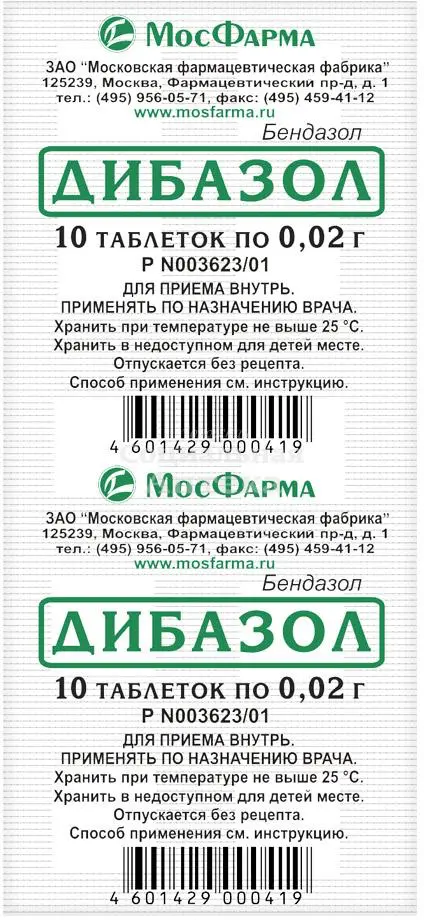
Dibazol (dibazolum) Tablets 0.02 #10
Dibazol, also known as dibazolum, is a medication available in tablet form with a dosage of 0.02. This medicine is commonly prescribed for various health conditions due to its vasodilator and antihypertensive properties. In this detailed description, we will explore the uses, benefits, side effects, dosage, and precautions associated with Dibazol tablets.
Uses
Dibazol is primarily used for the treatment of hypertension (high blood pressure) and other cardiovascular conditions. It works by dilating the blood vessels, allowing for smoother blood flow and reducing the workload on the heart. This can help lower blood pressure and improve circulation.
Additionally, Dibazol is sometimes prescribed for the treatment of other conditions such as:
- Raynaud’s disease
- Peripheral vascular disease
- Migraine headaches
- Prevention of influenza and acute respiratory infections
Benefits
The main benefits of Dibazol tablets include:
- Lowering high blood pressure
- Improving blood circulation
- Reducing the frequency and severity of migraine headaches
- Boosting the immune system to prevent respiratory infections
It is important to note that the benefits of Dibazol may vary depending on individual health conditions and responses to the medication. Always consult with a healthcare professional before starting or changing any medication regimen.
Side Effects
Like any medication, Dibazol may cause side effects in some individuals. Common side effects of Dibazol tablets may include:
- Headache
- Dizziness
- Nausea
- Fatigue
- Flushing
Serious side effects are rare but may include allergic reactions, irregular heartbeat, and severe dizziness. If you experience any unusual or severe side effects while taking Dibazol, seek medical attention immediately.
Dosage
The usual dosage of Dibazol tablets is determined by a healthcare provider based on the individual’s condition, age, and response to treatment. It is important to follow the prescribed dosage and schedule provided by your healthcare professional.
Typically, the recommended dosage for adults is one tablet of Dibazol 0.02 taken orally two to three times a day. The tablets should be swallowed whole with water and can be taken with or without food.
Do not exceed the recommended dosage unless directed by a healthcare provider, as this can increase the risk of side effects and complications.
Precautions
Before taking Dibazol tablets, inform your healthcare provider about any existing medical conditions, allergies, or medications you are currently taking. Some precautions to consider when using Dibazol include:
- Avoid alcohol consumption while taking Dibazol, as it may enhance the sedative effects of the medication.
- Do not abruptly stop taking Dibazol without consulting your healthcare provider, as this can lead to rebound hypertension.
- Inform your healthcare provider if you are pregnant or breastfeeding, as the use of Dibazol during pregnancy or lactation may not be recommended.
- Monitor your blood pressure regularly while taking Dibazol to ensure it is within the target range.
Conclusion
In conclusion, Dibazol tablets are a commonly prescribed medication for the treatment of hypertension, cardiovascular conditions, migraine headaches, and respiratory infections. By dilating blood vessels and improving circulation, Dibazol helps lower blood pressure and alleviate symptoms associated with various health conditions.
It is important to use Dibazol as directed by a healthcare professional and to be aware of potential side effects and precautions associated with the medication. If you have any concerns or experience adverse reactions while taking Dibazol, seek medical advice promptly.
Always consult with your healthcare provider for personalized recommendations and guidance on the use of Dibazol tablets to ensure safe and effective treatment of your medical condition.


