
Description
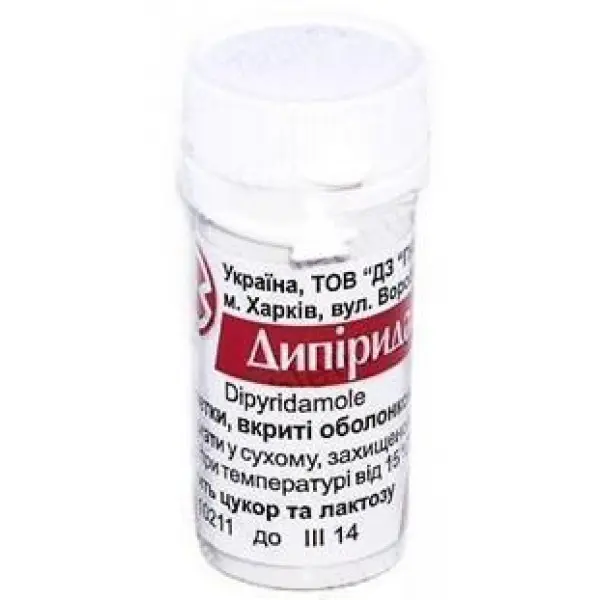
Dipiridamol (Dipyridamole) Coated Tablets 0.025 #50
Dipiridamol (Dipyridamole) is a medication that is commonly used to prevent blood clots from forming in the blood vessels. It belongs to a class of drugs known as platelet aggregation inhibitors. This medication is available in the form of coated tablets with a strength of 0.025 mg. per tablet, and each pack contains 50 tablets. It is usually prescribed by healthcare professionals to patients who are at risk of developing blood clots, such as those with a history of stroke or heart attack.
What is Dipiridamol (Dipyridamole) Used For?
Dipiridamol (Dipyridamole) is primarily used to prevent blood clots from forming in the blood vessels. It works by inhibiting the aggregation of platelets, which are the cells in the blood responsible for clotting. By preventing the formation of blood clots, this medication helps reduce the risk of serious cardiovascular events such as heart attack and stroke.
How Does Dipiridamol (Dipyridamole) Work?
Dipiridamol (Dipyridamole) works by preventing the breakdown of a chemical called adenosine, which plays a key role in regulating blood flow and preventing platelets from sticking together. By increasing the levels of adenosine in the blood, this medication helps to keep the blood vessels open and prevent the formation of blood clots.
Instructions for Use
It is important to follow the instructions provided by your healthcare provider when taking Dipiridamol (Dipyridamole) coated tablets. Typically, the recommended dose is one tablet (0.025 mg) taken orally two to four times daily, with or without food. The tablets should be swallowed whole with a glass of water, and should not be crushed or chewed.
Do not exceed the prescribed dose of this medication, as taking too much can increase the risk of side effects. If you miss a dose, take it as soon as you remember, but do not double up on doses to make up for a missed one.
Possible Side Effects
Like all medications, Dipiridamol (Dipyridamole) may cause side effects in some individuals. Common side effects of this medication may include headache, dizziness, nausea, vomiting, abdominal pain, and diarrhea. These side effects are usually mild and tend to improve as your body adjusts to the medication.
In rare cases, Dipiridamol (Dipyridamole) may cause more serious side effects such as allergic reactions, chest pain, irregular heartbeat, and difficulty breathing. If you experience any of these symptoms, seek medical attention immediately.
Precautions and Warnings
Before taking Dipiridamol (Dipyridamole) coated tablets, inform your healthcare provider about any allergies you may have, as well as any other medications you are currently taking. This medication may interact with certain drugs, so it is important to disclose all your medications to avoid potential drug interactions.
It is also important to inform your healthcare provider if you have a history of heart disease, liver or kidney problems, or any other medical conditions. Your healthcare provider may need to adjust your dosage or monitor you closely while you are taking this medication.
Storage and Handling
Store Dipiridamol (Dipyridamole) coated tablets in a cool, dry place away from direct sunlight and moisture. Keep the tablets in their original packaging until you are ready to take them, and make sure to keep them out of reach of children and pets.
Do not use Dipiridamol (Dipyridamole) coated tablets past their expiration date, as the medication may no longer be effective or safe to use. If you have any tablets that are expired or no longer needed, dispose of them properly according to local regulations.
Conclusion
Dipiridamol (Dipyridamole) coated tablets are a commonly prescribed medication used to prevent blood clots and reduce the risk of serious cardiovascular events such as heart attack and stroke. By inhibiting platelet aggregation and increasing adenosine levels in the blood, this medication helps to keep the blood vessels open and prevent the formation of blood clots.
It is important to follow the instructions provided by your healthcare provider when taking Dipiridamol (Dipyridamole) coated tablets, and to be aware of the possible side effects and precautions associated with this medication. If you have any questions or concerns about this medication, do not hesitate to consult your healthcare provider for further guidance.