
Description
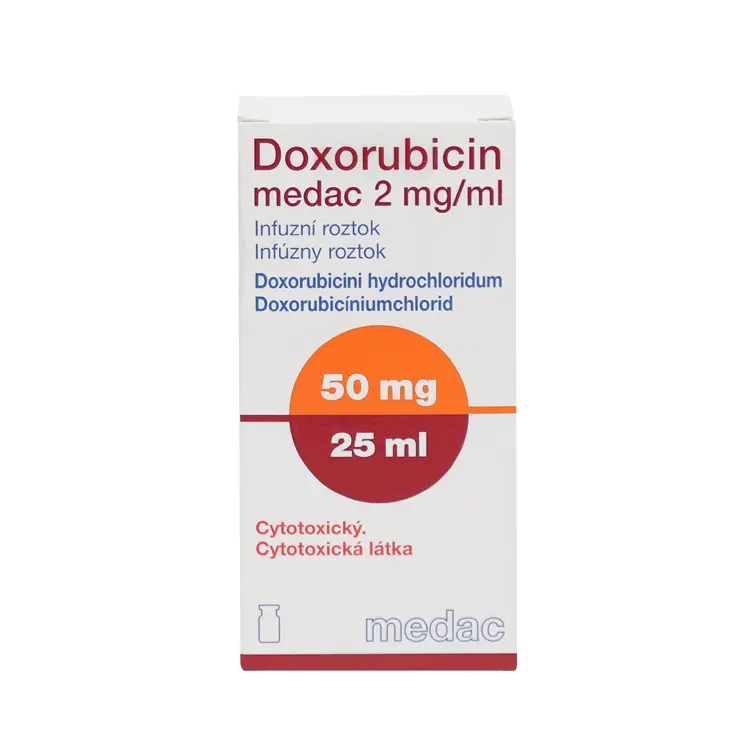
Doxorubicin (doxorubicin) Solution for Infusion 2 mg/ml. – 25 ml. (50 mg) #1 Vial
Doxorubicin, also known as doxorubicin hydrochloride, is a chemotherapy medication commonly used in the treatment of various types of cancer. It belongs to a class of medications called anthracyclines, which work by interfering with the growth and spread of cancer cells in the body.
Composition:
- Active Ingredient: Doxorubicin (Doxorubicin hydrochloride)
- Strength: 2 mg. per ml.
- Volume: 25 ml. (50 mg)
- Packaging: #1 vial
Indications:
Doxorubicin is indicated for the treatment of various types of cancers, including but not limited to:
- Breast cancer
- Lung cancer
- Ovarian cancer
- Bladder cancer
- Soft tissue sarcomas
Mechanism of Action:
Doxorubicin works by inhibiting the activity of topoisomerase II enzyme, which is involved in the replication of DNA and RNA. By doing so, it disrupts the synthesis of nucleic acids and proteins essential for cancer cell proliferation. Doxorubicin also generates free radicals that can cause DNA damage, leading to the death of cancer cells.
Administration and Dosage:
Doxorubicin is administered as an intravenous infusion by a healthcare professional in a clinical setting. The dosage and schedule of administration may vary depending on the type of cancer being treated, the patient’s overall health, and other factors. It is important to follow the specific instructions provided by the healthcare provider.
The typical recommended dose of doxorubicin is based on the patient’s body surface area and may range from 60 to 75 mg/m² every 21 to 28 days. The dose may be adjusted based on the individual patient’s response and tolerance to the medication.
Side Effects:
Like all medications, doxorubicin can cause side effects. Common side effects may include:
- Nausea and vomiting
- Hair loss
- Decreased appetite
- Fatigue
- Low blood cell counts (anemia, neutropenia, thrombocytopenia)
More serious side effects may include:
- Cardiotoxicity (heart problems)
- Secondary malignancies
- Severe allergic reactions
- Hand-foot syndrome
- Severe skin reactions
It is important to report any side effects to the healthcare provider promptly to receive appropriate management and support.
Contraindications:
Doxorubicin is contraindicated in patients with:
- Severe liver or kidney impairment
- Known hypersensitivity to doxorubicin or any of its components
- Recent or ongoing radiation therapy to the heart
- Severe bone marrow suppression
It is essential to inform the healthcare provider about any pre-existing medical conditions or medications being taken before starting doxorubicin therapy.
Storage:
Doxorubicin Solution for Infusion should be stored in a cool, dry place away from direct sunlight and heat. It is essential to keep it out of reach of children and pets. Do not freeze the medication, and discard any unused portion according to proper disposal guidelines.
Warnings and Precautions:
Before using doxorubicin, it is important to consider the following precautions:
- Regular monitoring of blood cell counts and cardiac function is essential during treatment.
- Use caution in patients with pre-existing heart conditions, as doxorubicin can cause cardiotoxicity.
- Avoid exposure to sunlight and UV radiation during treatment, as doxorubicin can increase sensitivity to sunburn.
- Inform healthcare providers about any recent or ongoing treatments, including radiation therapy or other chemotherapy agents.
Conclusion:
Doxorubicin is a potent chemotherapy medication used in the treatment of various types of cancer. It works by interfering with the growth and spread of cancer cells in the body. It is administered as an intravenous infusion and should be used under the supervision of a healthcare professional. While effective in treating cancer, doxorubicin can cause side effects and requires careful monitoring during treatment. It is crucial to follow the healthcare provider’s instructions and report any adverse reactions promptly for proper management.
Always consult with your healthcare provider for personalized advice and recommendations regarding the use of doxorubicin and its potential benefits and risks in your specific situation.