
Description
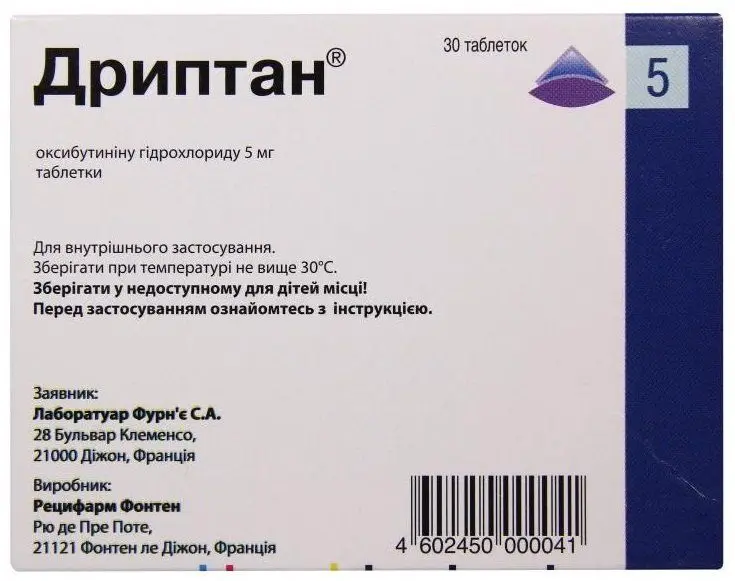
Driptan (Oxybutynin Hydrochloride) Tablets 5 mg. #30
Driptan is a medication that contains the active ingredient oxybutynin hydrochloride, which is used to treat symptoms of overactive bladder. It is available in tablet form with a strength of 5 mg. per tablet, and each pack contains 30 tablets. In this detailed description, we will explore the uses, mechanism of action, dosage, side effects, and other important information about Driptan.
Uses of Driptan
Driptan is primarily used to treat symptoms of overactive bladder, including urinary urgency, frequency, and incontinence. It works by relaxing the muscles in the bladder, reducing the urge to urinate and increasing the bladder’s capacity to hold urine. This can help improve control over bladder function and reduce episodes of urinary incontinence.
Mechanism of Action
Oxybutynin, the active ingredient in Driptan, belongs to a class of medications known as anticholinergics. It works by blocking the action of acetylcholine, a neurotransmitter that plays a role in stimulating muscle contractions. By inhibiting acetylcholine, oxybutynin helps relax the muscles in the bladder, reducing the overactivity that leads to symptoms of overactive bladder.
Dosage and Administration
The usual dose of Driptan is one 5 mg. tablet taken orally two to three times daily, with or without food. It is important to follow the instructions provided by your healthcare provider or the medication label. Do not exceed the recommended dosage unless directed by a healthcare professional. Swallow the tablets whole with a full glass of water.
Side Effects
Like all medications, Driptan may cause side effects in some individuals. Common side effects may include dry mouth, constipation, blurred vision, dizziness, drowsiness, and nausea. These side effects are usually mild and may improve as your body adjusts to the medication. If any of these side effects persist or worsen, contact your healthcare provider.
Serious side effects of Driptan are rare but may include difficulty urinating, fever, confusion, hallucinations, rapid heartbeat, and allergic reactions. If you experience any severe or persistent side effects, seek medical attention immediately.
Precautions
Before taking Driptan, inform your healthcare provider if you have a history of glaucoma, myasthenia gravis, liver or kidney disease, gastrointestinal disorders, or any other medical conditions. It is important to disclose all medications you are currently taking, including prescription drugs, over-the-counter medications, and herbal supplements, to avoid potential drug interactions.
Do not drive or operate machinery until you know how Driptan affects you, as it may cause dizziness or drowsiness. Avoid consuming alcohol while taking Driptan, as it can worsen these side effects. Keep Driptan out of reach of children and store it in a cool, dry place away from direct sunlight.
Interactions
Driptan may interact with certain medications, including other anticholinergic drugs, antihistamines, tricyclic antidepressants, and muscle relaxants. Inform your healthcare provider of all medications you are taking to prevent potential drug interactions. It is important to follow your healthcare provider’s recommendations regarding the use of Driptan with other medications.
Overdose
If you suspect an overdose of Driptan, seek immediate medical attention or contact a poison control center. Symptoms of overdose may include dizziness, confusion, blurred vision, dry mouth, difficulty urinating, and rapid heartbeat. Do not take more than the prescribed dose of Driptan to avoid the risk of overdose.
Storage
Store Driptan at room temperature away from moisture and heat. Keep the medication in its original packaging and out of reach of children. Do not use Driptan past its expiration date. If you have any expired or unused tablets, dispose of them properly according to local regulations or consult your healthcare provider.
Conclusion
Driptan is a medication that contains oxybutynin hydrochloride and is used to treat symptoms of overactive bladder. It works by relaxing the muscles in the bladder, reducing urinary urgency, frequency, and incontinence. It is important to follow the prescribed dosage and instructions provided by your healthcare provider to maximize the benefits of Driptan and minimize the risk of side effects. If you have any questions or concerns about Driptan, consult your healthcare provider for personalized guidance and support.