Description
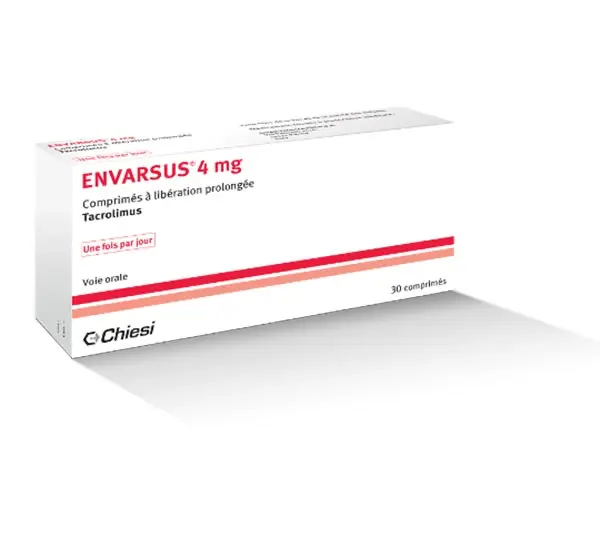
Envarsus (Tacrolimus) Tablets with Prolonged Release 4 mg.
What is Envarsus (Tacrolimus) Tablets?
Envarsus is a brand name for tacrolimus, a medication that belongs to a class of drugs known as calcineurin inhibitors. Tacrolimus is commonly prescribed to prevent organ rejection in individuals who have undergone an organ transplant, such as kidney, liver, or heart transplant. Envarsus tablets are specially formulated with prolonged release technology, ensuring a steady and consistent release of the active ingredient over time.
Usage and Indications
Envarsus tablets are primarily used to prevent organ rejection in transplant recipients. The medication works by suppressing the immune system to prevent it from attacking the transplanted organ. It is crucial to take Envarsus exactly as prescribed by your healthcare provider to ensure its effectiveness and minimize the risk of rejection.
Indications:
- Prevention of organ rejection in kidney transplant recipients
- Prevention of organ rejection in liver transplant recipients
- Prevention of organ rejection in heart transplant recipients
Dosage and Administration
Envarsus tablets are available in a strength of 4 mg. The dosage of Envarsus can vary depending on several factors, including the type of transplant, individual patient characteristics, and other medications being taken. It is crucial to follow the dosing instructions provided by your healthcare provider. Do not adjust the dosage without consulting your doctor.
The tablets should be taken orally with or without food, usually once daily at the same time each day. Swallow the tablet whole with a glass of water, and do not crush, chew, or break it. If you have difficulty swallowing the tablet, consult your healthcare provider for alternative options.
Possible Side Effects
While Envarsus is generally well-tolerated, like all medications, it can cause side effects in some individuals. Common side effects of Envarsus may include:
- Nausea
- Headache
- Tremors
- Diarrhea
- High blood pressure
If you experience severe or persistent side effects while taking Envarsus, contact your healthcare provider immediately. It is essential to report any unusual symptoms or reactions to ensure your safety and well-being.
Precautions and Warnings
Before taking Envarsus, it is essential to inform your healthcare provider about any medical conditions you have, especially:
- History of kidney or liver disease
- High blood pressure
- Diabetes
- History of infections
Additionally, inform your doctor about all medications you are currently taking, including prescription drugs, over-the-counter medications, vitamins, and herbal supplements. Some medications may interact with Envarsus and affect its effectiveness or increase the risk of side effects.
Storage and Handling
Store Envarsus tablets at room temperature away from moisture and heat. Keep the medication out of reach of children and pets. Do not use Envarsus beyond the expiration date printed on the packaging. If you have any unused or expired medication, dispose of it properly according to local regulations or consult your pharmacist for guidance.
Conclusion
Envarsus (tacrolimus) Tablets with prolonged release 4 mg. are a valuable medication used to prevent organ rejection in transplant recipients. By understanding how to use Envarsus correctly, following the prescribed dosage, and being aware of possible side effects and precautions, you can maximize the benefits of this medication while minimizing the risks. Always consult your healthcare provider if you have any questions or concerns regarding Envarsus or its usage.
Remember, this guide is for informational purposes only and should not replace professional medical advice. If you have specific questions about Envarsus or require personalized guidance, consult your healthcare provider for individualized recommendations.