
Description
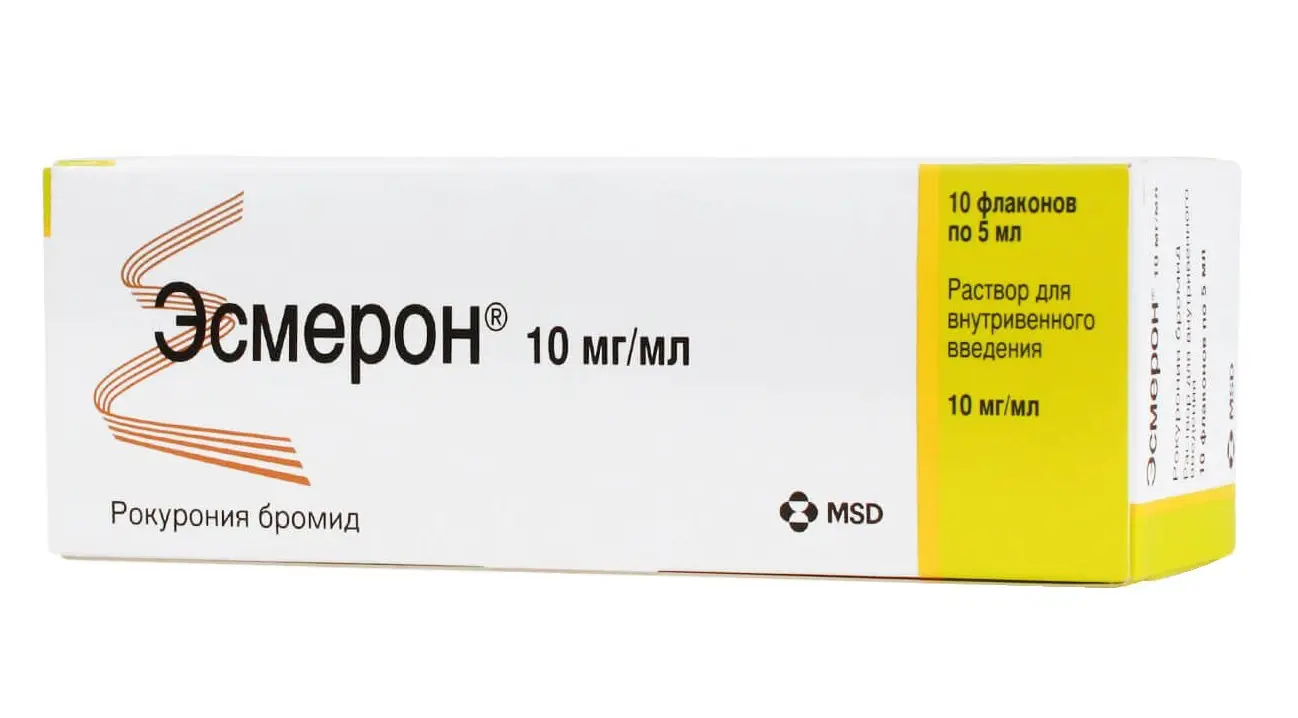
Esmeron (rocuronium bromide) 10 mg/ml. 5 ml. (50 mg.) vial #10
Introduction:
Esmeron, also known as rocuronium bromide, is a medication used in anesthesia for muscle relaxation. It is available in a concentration of 10 mg/ml. in a 5 ml. vial, which contains a total of 50 mg. of rocuronium bromide. This medication is commonly used during surgeries to facilitate endotracheal intubation and to provide skeletal muscle relaxation.
Mechanism of Action:
Esmeron works by blocking the action of acetylcholine at the neuromuscular junction, leading to muscle relaxation. It is a non-depolarizing neuromuscular blocking agent that competitively binds to the nicotinic acetylcholine receptors on the motor end plate of the muscle, preventing the transmission of nerve impulses and causing temporary paralysis of the skeletal muscles.
Indications:
Esmeron is indicated for use as an adjunct to general anesthesia to facilitate tracheal intubation and provide skeletal muscle relaxation during surgical procedures. It is also used in intensive care units for mechanical ventilation and to prevent spontaneous breathing in patients requiring neuromuscular blockade.
Dosage and Administration:
The recommended dosage of Esmeron varies depending on the patient’s age, weight, and medical condition. It is typically administered intravenously by a healthcare professional. The onset of action is rapid, with effects seen within 1-2 minutes of administration. The duration of action is dose-dependent and can last up to 45-60 minutes.
Contraindications:
Esmeron is contraindicated in patients with a known hypersensitivity to rocuronium bromide or any of the ingredients in the formulation. It should not be used in patients with a history of malignant hyperthermia or known sensitivity to neuromuscular blocking agents. Caution should be exercised in patients with myasthenia gravis or other neuromuscular diseases.
Adverse Reactions:
Common side effects of Esmeron include hypotension, tachycardia, bronchospasm, and allergic reactions. Rare but serious adverse reactions may include anaphylaxis, cardiac arrest, and prolonged muscle weakness. Monitoring of vital signs and neuromuscular function is essential during the administration of this medication.
Drug Interactions:
Esmeron may interact with other medications that affect neuromuscular transmission, such as succinylcholine and certain antibiotics. It is important to inform the healthcare provider about all medications, supplements, and herbal products being taken before receiving Esmeron to avoid potential drug interactions.
Storage and Handling:
Esmeron should be stored at room temperature (20-25°C) in a dry place away from light and moisture. The vials should be kept in their original packaging until ready for use. Do not freeze or expose to extreme temperatures. Unused portions of the medication should be discarded properly according to local regulations.
Conclusion:
Esmeron (rocuronium bromide) is a valuable medication used in anesthesia for muscle relaxation during surgical procedures. It is a safe and effective neuromuscular blocking agent when administered by trained healthcare professionals. Understanding the indications, dosages, contraindications, and potential adverse reactions associated with Esmeron is essential for its proper use in clinical practice.


