Description
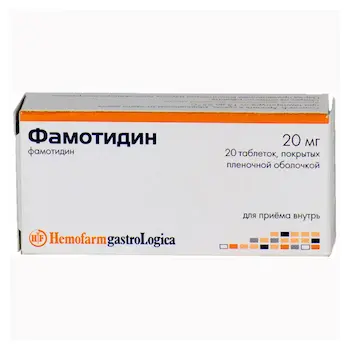
Famotidine (famotidine) Lyophilisate 20 mg.
Famotidine is a medication available in lyophilisate form with a dosage of 20 mg. per vial. It is commonly prescribed to treat various conditions related to excessive stomach acid production. Famotidine belongs to a class of drugs known as histamine-2 blockers, which work by reducing the amount of acid produced by the stomach. This medication is typically used to relieve symptoms associated with conditions like gastroesophageal reflux disease (GERD), ulcers, and other gastrointestinal issues.
How Famotidine Works
When taken orally, famotidine is absorbed into the bloodstream and reaches the stomach, where it inhibits the action of histamine on the histamine-2 receptors. By blocking these receptors, famotidine reduces the production of stomach acid, providing relief from symptoms such as heartburn, acid indigestion, and stomach pain. This mechanism of action helps to promote healing of ulcers and prevent complications associated with excess stomach acid.
Indications and Usage
Famotidine lyophilisate is commonly prescribed for the following conditions:
- Gastroesophageal reflux disease (GERD)
- Peptic ulcers
- Zollinger-Ellison syndrome
- Esophagitis
- Stress-induced gastritis
It is important to follow the dosage instructions provided by your healthcare provider to ensure the medication is effective in managing your condition.
Dosage and Administration
The typical dosage of famotidine Lyophilisate for injection adults is 20 mg. taken orally once or twice daily, as directed by a healthcare professional. The medication should be dissolved in water before administration. It is important to take famotidine at the same time each day to maintain a consistent level of the drug in your system.
For specific dosing instructions and duration of treatment, consult your healthcare provider. Do not exceed the recommended dosage without medical supervision.
Side Effects
Like all medications, famotidine may cause side effects in some individuals. Common side effects may include:
- Headache
- Dizziness
- Nausea
- Constipation
- Diarrhea
If you experience any severe or persistent side effects while taking famotidine, contact your doctor immediately. It is important to report any adverse reactions to ensure proper management of your treatment.
Precautions and Warnings
Before starting famotidine lyophilisate, inform your healthcare provider about any existing medical conditions, allergies, or medications you are currently taking. It is important to disclose this information to prevent potential drug interactions or adverse effects.
Additionally, certain precautions should be taken while using famotidine, including:
- Avoiding alcohol consumption, as it may exacerbate side effects
- Not taking more than the prescribed dosage to avoid overdose
- Informing your healthcare provider if you are pregnant or breastfeeding
- Monitoring for any signs of allergic reactions, such as rash, itching, or swelling
Drug Interactions
Famotidine may interact with other medications, potentially altering their effectiveness or increasing the risk of side effects. Some common drug interactions with famotidine include:
- Antacids containing aluminum or magnesium
- NSAIDs (nonsteroidal anti-inflammatory drugs)
- Warfarin (blood thinner)
- Diazepam (Valium)
- Certain antibiotics
Inform your healthcare provider about all the medications you are currently taking to avoid any potential interactions. Your doctor may need to adjust your dosage or monitor you closely for any adverse effects.
Storage and Handling
Store famotidine lyophilisate at room temperature, away from moisture and heat. Keep the vials in their original packaging to protect them from light. Do not freeze the medication, and keep it out of reach of children and pets.
Properly dispose of any expired or unused medication according to local guidelines or consult with a healthcare professional for guidance on safe disposal methods.
Conclusion
Famotidine lyophilisate is a commonly prescribed medication for the treatment of conditions related to excess stomach acid production. By inhibiting histamine-2 receptors, famotidine helps to reduce stomach acid levels and alleviate symptoms such as heartburn, indigestion, and ulcers. It is important to follow your healthcare provider’s instructions for dosing and administration to ensure the medication is effective and safe for your condition.
If you have any questions or concerns about famotidine or its usage, consult with your doctor or pharmacist for personalized guidance and support.