Description
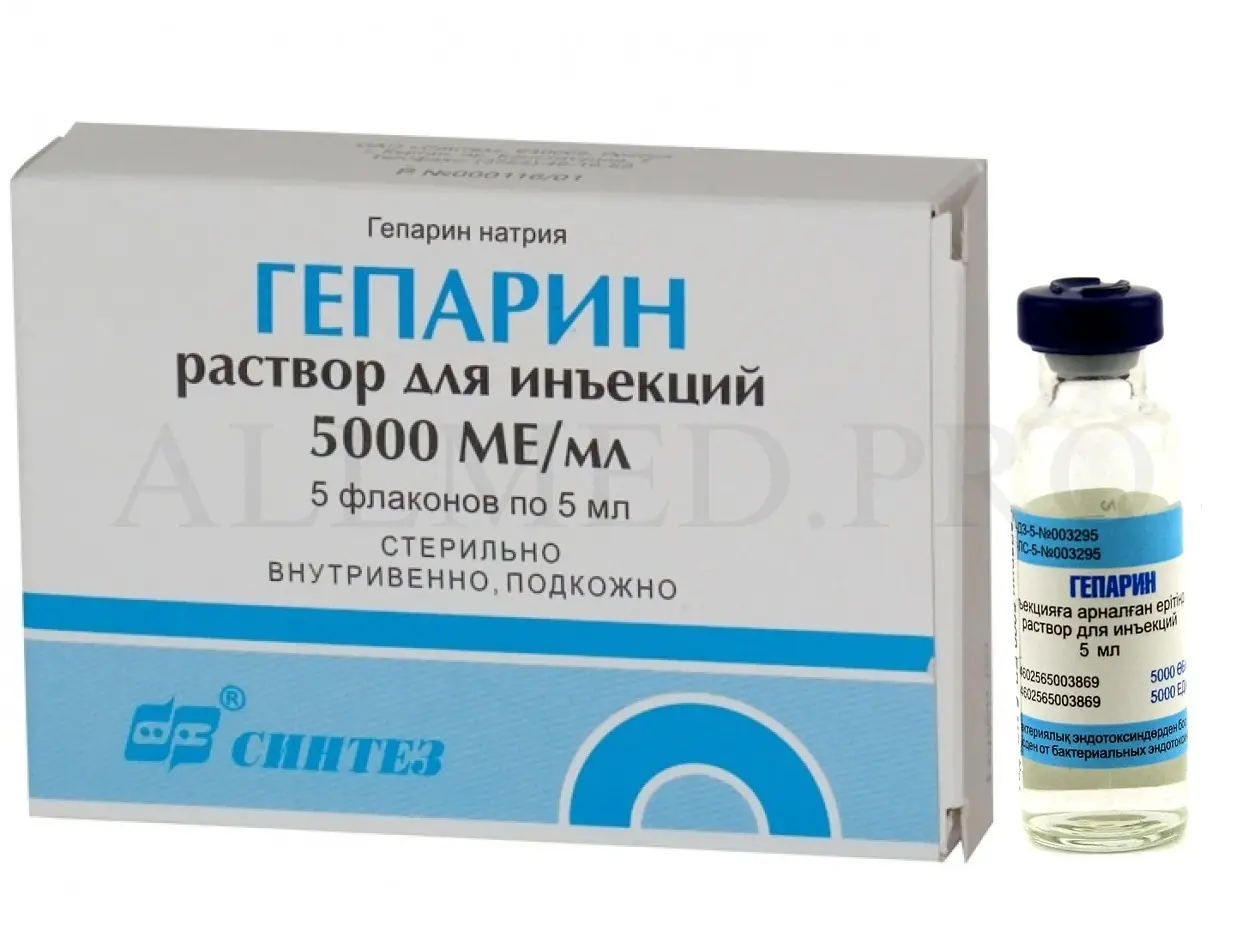
Geparin 5000 IU/ml. 5 ml. #5 vial
Geparin is a medication that contains 5000 international units (IU) per milliliter and is available in 5 ml. vials. This medication is commonly used for its anticoagulant properties and is often prescribed to prevent or treat blood clots in various medical conditions. In this detailed description, we will explore the uses, dosage, side effects, and precautions associated with Geparin.
Uses of Geparin
Geparin is primarily used for the following medical conditions:
- Prevention of blood clots in patients at risk of thromboembolic events
- Treatment of deep vein thrombosis (DVT) and pulmonary embolism
- Prevention of clotting during surgeries such as cardiac surgery or dialysis
Dosage and Administration
The dosage of Geparin can vary depending on the individual’s medical condition and the specific indication for which it is being prescribed. It is important to follow the dosage instructions provided by your healthcare provider. Typically, Geparin is administered subcutaneously or intravenously.
For the prevention of blood clots, the usual dose of Geparin is 5000 IU administered subcutaneously every 8 to 12 hours. The dosage may be adjusted based on the patient’s weight, age, and kidney function.
For the treatment of DVT or pulmonary embolism, higher doses of Geparin may be required initially, followed by a maintenance dose. Your healthcare provider will determine the appropriate dosage regimen for your specific condition.
Side Effects
Like any medication, Geparin can cause side effects in some individuals. Common side effects of Geparin may include:
- Bruising or bleeding at the injection site
- Low platelet count
- Allergic reactions such as itching, rash, or swelling
- Injection site reactions
If you experience any severe or persistent side effects while taking Geparin, it is important to contact your healthcare provider immediately.
Precautions
Before using Geparin, inform your healthcare provider about any allergies, medical conditions, or medications you are currently taking. It is important to discuss the potential risks and benefits of Geparin with your healthcare provider before starting treatment.
Some precautions to consider when using Geparin include:
- Avoid using Geparin if you have a history of heparin-induced thrombocytopenia (HIT) or other heparin-related complications
- Monitor your blood clotting parameters regularly while using Geparin to ensure the medication is working effectively
- Inform your healthcare provider if you are pregnant or breastfeeding, as the safety of Geparin during pregnancy and lactation has not been established
Conclusion
In conclusion, Geparin is a medication that contains 5000 IU/ml and is available in 5 ml. vials. It is commonly used for its anticoagulant properties in the prevention and treatment of blood clots. When using Geparin, it is important to follow the dosage instructions provided by your healthcare provider and be aware of potential side effects and precautions associated with the medication.
If you have any questions or concerns about Geparin or its use, do not hesitate to consult your healthcare provider for more information and guidance.