Description
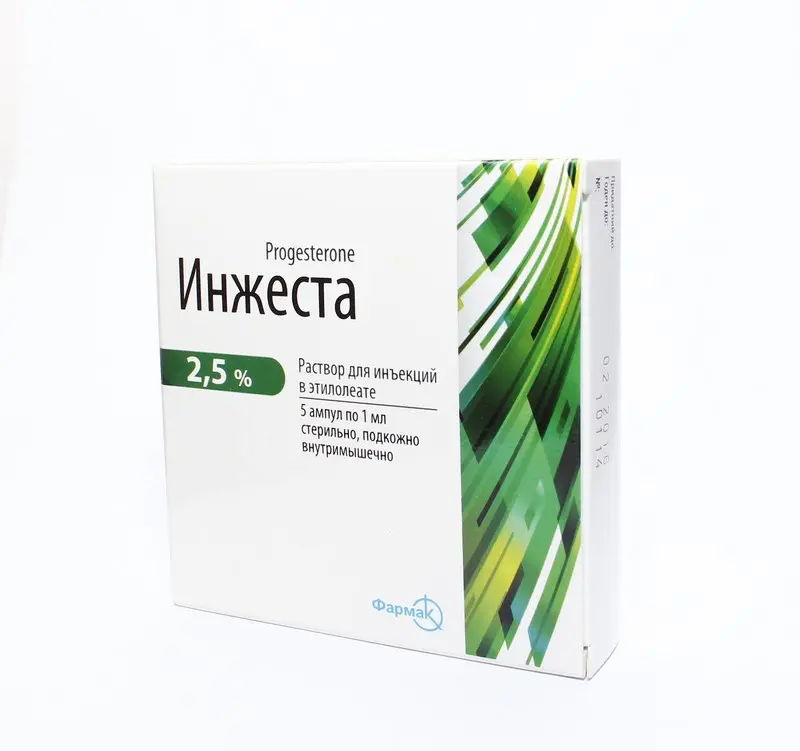
Injesta 2.5% Ampoules 1 ml. #5
Injesta is a solution for injection used to treat various gynecological and reproductive conditions. It contains progesterone as the active ingredient and is available in different strengths (10 mg or 25 mg per 1 ml of solution). The medication supports pregnancy and regulates the menstrual cycle when administered under the guidance of a healthcare professional.
Composition
Each 1 ml of Injesta solution contains:
- Progesterone: 10 mg or 25 mg (depending on the formulation)
- Other ingredients:
- 2.5% solution: Benzyl benzoate, Ethyloleate
- 1% solution: Ethyloleate
Dosage Form
Solution for injection.
Physical and Chemical Properties
Injesta is an oily liquid, light green or light yellow in color, with a characteristic odor.
Pharmacotherapeutic Group
Progestogens. ATC code: G03DA04.
Pharmacological Properties
Pharmacodynamics
Progesterone is a hormone of the corpus luteum. It induces the transformation of the uterine lining from the proliferative phase to the secretory phase, necessary for proper implantation of the fertilized egg. It also reduces excitability and contractility of the uterine and fallopian tube muscles, supporting pregnancy. Progesterone stimulates breast development and, at low doses, stimulates gonadotropin secretion, while at high doses, it inhibits it. Progesterone has catabolic, immunosuppressive, and aldosterone-blocking effects, increasing sodium and chloride excretion.
Pharmacokinetics
After intramuscular or subcutaneous injection, Injesta is rapidly absorbed. Progesterone is metabolized primarily in the liver, and a small portion is stored in subcutaneous fat. Its main metabolite is biologically active pregnanediol, which is excreted in the urine.
Indications
Injesta is indicated for the treatment of:
- Amenorrhea
- Dysfunctional (anovulatory) uterine bleeding
- Endocrine infertility due to luteal insufficiency
- Threatened miscarriage
- Oligomenorrhea, dysmenorrhea
Contraindications
Injesta should not be used in patients with:
- Liver disease or dysfunction
- Hepatitis or liver/kidney failure
- Breast or genital tumors
- Tachycardia or thromboembolic disorders
- Severe depression or porphyria
- Pregnancy beyond 36 weeks
- Vaginal bleeding of unknown origin
Drug Interactions
Injesta may interact with other medications, including oxytocin, anabolic steroids, and gonadotropins, reducing their effects. It enhances the effects of diuretics, immunosuppressants, and systemic anticoagulants. Its effectiveness may be reduced when used with barbiturates.
Precautions
Injesta should be used with caution in patients with cardiovascular disease, hypertension, diabetes, asthma, epilepsy, or depression. Regular monitoring is required, particularly for those with a history of thromboembolic disorders. Progesterone metabolism occurs in the liver, so the drug should not be used in patients with liver dysfunction. In patients with a history of progesterone-dependent tumors, medical supervision is necessary.
Use During Pregnancy and Lactation
Injesta can be used to prevent miscarriage during pregnancy but should not be used after the 36th week. It should not be used by women planning pregnancy soon. Progesterone may pass into breast milk, so it is not recommended during breastfeeding.
Dosage and Administration
Injesta is administered intramuscularly or subcutaneously. The typical dose ranges from 5–25 mg per day, depending on the condition being treated. In cases of dysfunctional uterine bleeding, treatment lasts for 6–8 days. For prevention of miscarriage, 10–25 mg is administered daily or every other day until symptoms resolve. Dosage and duration should be adjusted by a healthcare provider based on the patient’s condition.
Side Effects
Common side effects of Injesta include:
- Tachycardia, hypertension, or thromboembolic disorders
- Headache, dizziness, or depression
- Breast tenderness or menstrual irregularities
- Gastrointestinal disturbances such as nausea, vomiting, or bloating
- Skin reactions like rash, acne, or hair loss
Warnings
Injesta may cause drowsiness or dizziness. It is advised to avoid driving or operating machinery during treatment. Monitor for early signs of thromboembolism, and discontinue the medication if symptoms arise.
Conclusion
Injesta is an effective medication for treating gynecological conditions related to progesterone deficiency. It should be used under the supervision of a healthcare provider, with careful adherence to dosage and administration instructions. Patients should inform their doctor of any existing medical conditions to avoid potential drug interactions or complications.