
Description
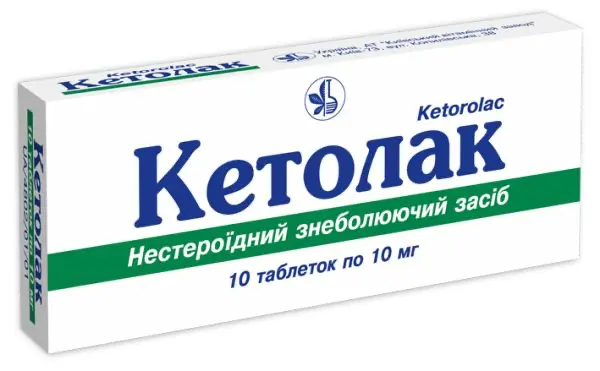
Ketolak Tablets 10 mg.
Description: Ketolak tablets are a medication that contains the active ingredient ketorolac tromethamine, which belongs to a class of drugs known as nonsteroidal anti-inflammatory drugs (NSAIDs). Ketolak tablets are commonly used to relieve pain and inflammation in conditions such as arthritis, musculoskeletal disorders, dental pain, and postoperative pain.
Composition: Each Ketolak tablet contains 10 mg. of ketorolac tromethamine as the active ingredient.
Indications: Ketolak tablets are indicated for the short-term management of moderate to severe pain in adults. They are commonly used for the relief of pain associated with conditions such as osteoarthritis, rheumatoid arthritis, ankylosing spondylitis, and postoperative pain.
Contraindications: Ketolak tablets are contraindicated in patients with a history of allergic reactions to ketorolac or other NSAIDs, as well as in patients with a history of asthma, urticaria, or allergic-type reactions after taking aspirin or other NSAIDs. They should not be used in patients with active peptic ulcers, gastrointestinal bleeding, severe renal impairment, or a history of gastrointestinal bleeding or perforation.
Adverse Effects: Common side effects of Ketolak tablets may include nausea, dyspepsia, abdominal pain, diarrhea, headache, dizziness, and rash. Serious adverse effects such as gastrointestinal bleeding, renal impairment, and allergic reactions may also occur and require immediate medical attention.
Dosage and Administration: The usual dose of Ketolak tablets for adults is 10 mg. taken orally every 4 to 6 hours as needed for pain relief. The maximum daily dose should not exceed 40 mg. The tablets should be taken with food or milk to reduce the risk of gastrointestinal side effects.
Warnings and Precautions: Patients taking Ketolak tablets should be monitored for signs of gastrointestinal bleeding, renal impairment, and allergic reactions. The medication should be used with caution in elderly patients, patients with a history of peptic ulcers or gastrointestinal bleeding, and patients with impaired renal function.
Drug Interactions: Ketolak tablets may interact with other medications such as aspirin, other NSAIDs, anticoagulants, and corticosteroids. Patients should inform their healthcare provider of all medications they are taking before starting Ketolak tablets to avoid potential drug interactions.
Storage: Ketolak tablets should be stored at room temperature away from moisture and heat. They should be kept out of reach of children and pets.
Conclusion: Ketolak tablets are a medication commonly used for the management of moderate to severe pain in adults. They contain the active ingredient ketorolac tromethamine, which belongs to the NSAID class of drugs. It is important to follow the dosage and administration guidelines provided by a healthcare provider and to be aware of the potential adverse effects and drug interactions associated with Ketolak tablets.


