
Description
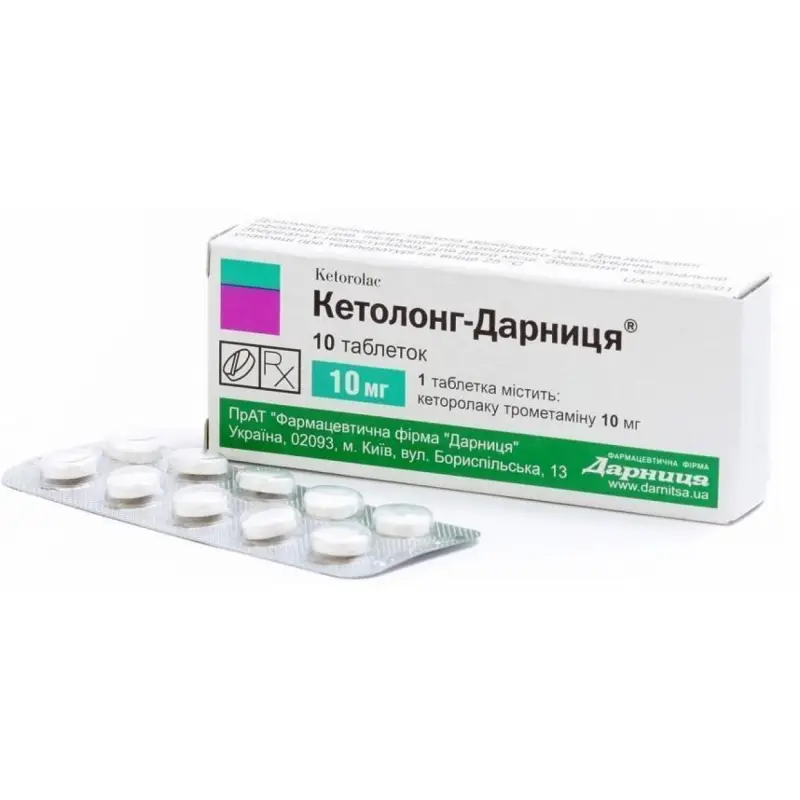
Ketolong Tablets 0.01g. #10
Overview: Ketolong tablets are a medication that contains 0.01g of the active ingredient ketolong. This medication is commonly prescribed to treat a variety of conditions, including pain, inflammation, and fever. It belongs to a class of drugs known as nonsteroidal anti-inflammatory drugs (NSAIDs).
Active Ingredient: Ketolong
Usage: Ketolong tablets are typically taken by mouth with water. The dosage and frequency of administration will vary depending on the condition being treated and the individual patient’s response to the medication. It is important to follow your healthcare provider’s instructions and not exceed the recommended dose.
Indications: Ketolong tablets are indicated for the relief of mild to moderate pain, inflammation, and fever. It is commonly used to treat conditions such as arthritis, menstrual cramps, headache, and muscle aches.
Mechanism of Action: Ketolong works by inhibiting the production of prostaglandins, which are chemicals in the body that cause pain and inflammation. By reducing the levels of prostaglandins, ketolong helps to alleviate pain and reduce inflammation.
Side Effects: Like all medications, ketolong tablets can cause side effects in some individuals. Common side effects may include stomach upset, heartburn, nausea, and dizziness. In rare cases, ketolong can cause more serious side effects, such as gastrointestinal bleeding or kidney damage. If you experience any severe or persistent side effects, contact your healthcare provider immediately.
Contraindications: Ketolong tablets are contraindicated in individuals with a known hypersensitivity to ketolong or other NSAIDs. It should not be used in patients with a history of gastrointestinal bleeding, peptic ulcers, or kidney disease. Pregnant women in their third trimester should avoid using ketolong due to the risk of harm to the fetus.
Drug Interactions: Ketolong may interact with other medications, including blood thinners, corticosteroids, and certain antidepressants. It is important to inform your healthcare provider about all medications you are taking before starting ketolong to avoid potential interactions.
Storage: Ketolong tablets should be stored at room temperature, away from moisture and heat. Keep the medication out of reach of children and pets. Do not use ketolong tablets past the expiration date printed on the packaging.
Warnings: Before taking ketolong tablets, inform your healthcare provider if you have a history of stomach ulcers, high blood pressure, or liver disease. Long-term use of NSAIDs like ketolong may increase the risk of cardiovascular events, such as heart attack or stroke. Use ketolong cautiously in elderly patients and those with preexisting medical conditions.
Overdose: In case of an overdose of ketolong tablets, seek immediate medical attention. Symptoms of overdose may include nausea, vomiting, stomach pain, dizziness, and drowsiness. Do not exceed the recommended dose of ketolong to avoid the risk of overdose.
Conclusion: Ketolong tablets are a commonly prescribed medication for the relief of pain, inflammation, and fever. By inhibiting the production of prostaglandins, ketolong helps to alleviate symptoms associated with various conditions. It is important to use ketolong as directed by your healthcare provider and to be aware of the potential side effects and interactions with other medications. If you have any questions or concerns about ketolong tablets, consult your healthcare provider for guidance.


