
Description
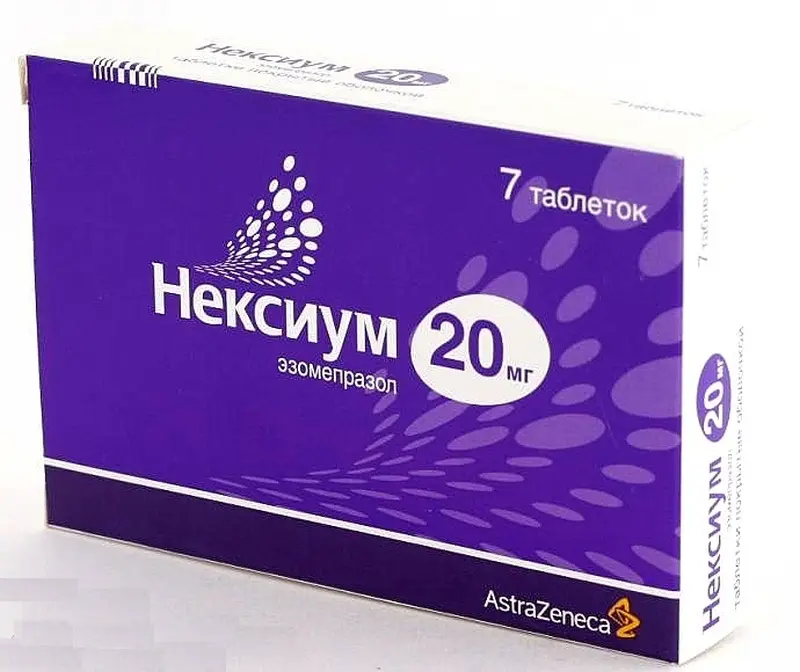
Nexium (esomeprazole) Coated Tablets 20 mg.
Nexium (esomeprazole) is a medication that belongs to a class of drugs known as proton pump inhibitors (PPIs). It is commonly prescribed to treat conditions related to excessive stomach acid production, such as gastroesophageal reflux disease (GERD), peptic ulcers, and Zollinger-Ellison syndrome. Nexium works by reducing the amount of acid produced in the stomach, thereby helping to alleviate symptoms associated with these conditions.
Usage and Dosage
Nexium is typically available in the form of coated tablets, with each tablet containing 20 mg. of esomeprazole. The tablets are designed to be taken orally and should be swallowed whole with a glass of water. It is important to follow the dosage instructions provided by your healthcare provider or as indicated on the prescription label.
The usual dosage of Nexium for the treatment of GERD and related conditions is 20-40 mg. once daily. Your healthcare provider may adjust the dosage based on your individual needs and response to the medication. It is important not to exceed the recommended dosage without consulting your healthcare provider.
Benefits and Effects
Nexium is known for its ability to effectively reduce stomach acid production, which can help alleviate symptoms such as heartburn, acid reflux, and stomach ulcers. By decreasing the acidity in the stomach, Nexium can provide relief from discomfort and pain associated with these conditions, allowing individuals to experience improved quality of life.
Additionally, Nexium has been found to promote healing of esophagitis (inflammation of the esophagus) and ulcers in the stomach and intestines. It can also help prevent damage to the esophagus caused by stomach acid, reducing the risk of complications such as bleeding or strictures.
Side Effects and Precautions
While Nexium is generally well-tolerated, like any medication, it may cause side effects in some individuals. Common side effects of Nexium may include headache, nausea, abdominal pain, diarrhea, and constipation. These side effects are usually mild and temporary, but if they persist or worsen, it is important to inform your healthcare provider.
In rare cases, Nexium may cause more serious side effects such as allergic reactions, severe dizziness, or irregular heartbeat. If you experience any unusual or severe symptoms while taking Nexium, seek medical attention immediately.
It is important to inform your healthcare provider about any medical conditions you have, as well as any medications, supplements, or herbal products you are currently taking before starting Nexium. Certain medications may interact with Nexium, potentially affecting its effectiveness or increasing the risk of side effects.
Storage and Handling
It is important to store Nexium tablets at room temperature, away from moisture and heat. Keep the medication in its original packaging and out of reach of children and pets. Do not use Nexium if the packaging is damaged or if the tablets appear discolored or have an unusual odor.
Do not share Nexium with others, even if they have similar symptoms, as the medication may not be suitable for everyone. If you have any unused or expired Nexium tablets, dispose of them properly according to local regulations or guidelines.
Conclusion
Nexium (esomeprazole) is a widely used medication for the treatment of conditions related to excess stomach acid production. By reducing acid levels in the stomach, Nexium can help alleviate symptoms such as heartburn, acid reflux, and ulcers, improving the quality of life for individuals suffering from these conditions. It is important to follow dosage instructions carefully and to be aware of potential side effects or interactions with other medications. If you have any concerns or experience unusual symptoms while taking Nexium, consult your healthcare provider for guidance and support.


