Description
Oxytocin
What is Oxytocin?
Oxytocin is a hormone that is produced in the hypothalamus and released by the pituitary gland. It is often referred to as the “love hormone” or “bonding hormone” because of its role in social bonding, intimacy, and maternal behavior. Oxytocin is also involved in various physiological processes such as labor and lactation.
Uses of Oxytocin
Oxytocin has several important uses in medicine, including:
- Inducing labor: Oxytocin is commonly used to induce labor in pregnant women who are past their due date or are experiencing complications.
- Managing postpartum hemorrhage: Oxytocin is used to prevent and treat postpartum hemorrhage, a serious complication that can occur after childbirth.
- Stimulating milk ejection: Oxytocin helps stimulate the contraction of the muscles around the milk ducts, facilitating the release of milk during breastfeeding.
- Supporting social bonding: Oxytocin is believed to play a role in social bonding, trust, and empathy.
Formulation and Dosage
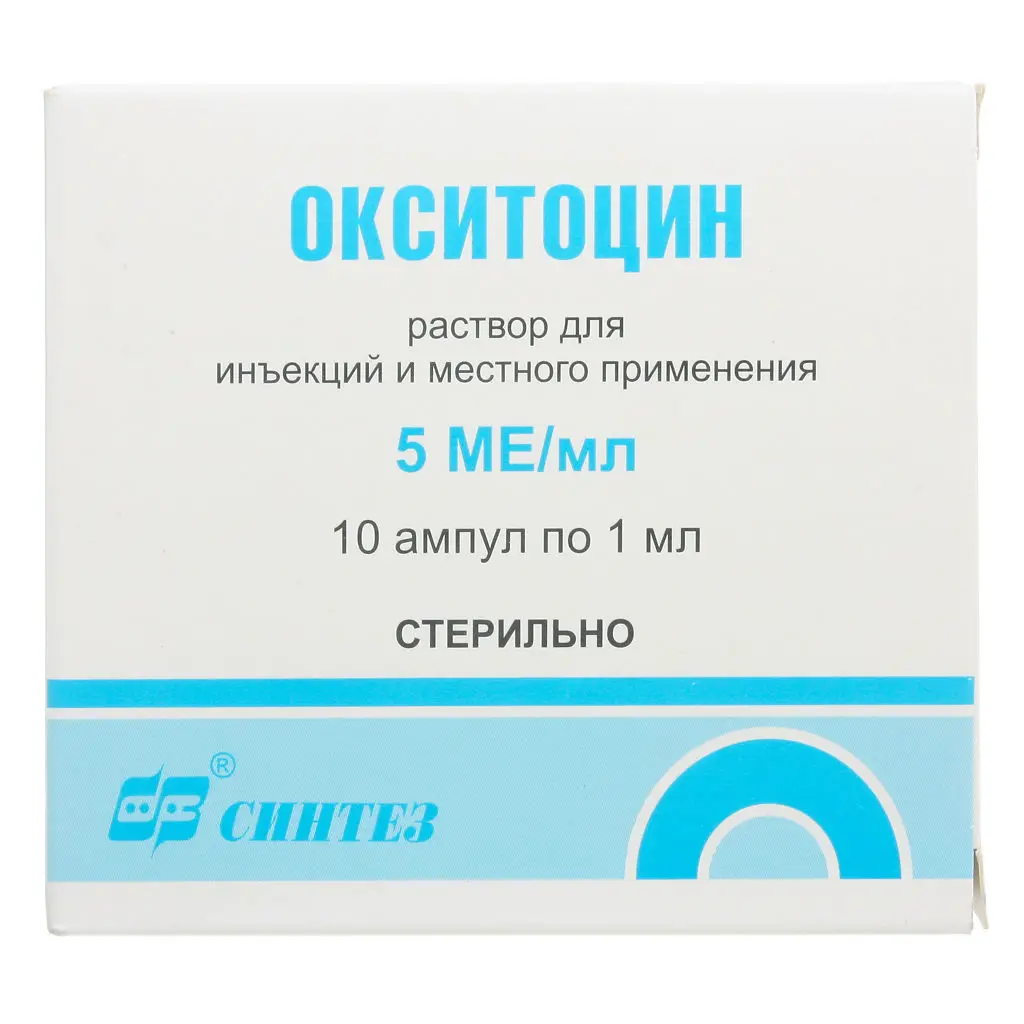
Oxytocin is available in various formulations, including ampoules containing 5 IU (international units) of oxytocin per 1ml. A typical presentation is a pack of 5 ampoules.
The dosage of oxytocin can vary depending on the indication and the patient’s response to treatment. It is important to follow the dosage instructions provided by your healthcare provider or pharmacist. Oxytocin is usually administered through intravenous infusion or intramuscular injection under medical supervision.
Side Effects of Oxytocin
Like any medication, oxytocin can cause side effects in some individuals. Common side effects of oxytocin may include:
- Nausea
- Vomiting
- Headache
- Decreased blood pressure
- Uterine hyperstimulation
If you experience any severe or persistent side effects while taking oxytocin, it is important to seek medical attention immediately.
Precautions and Warnings
Before using oxytocin, it is important to inform your healthcare provider about any existing medical conditions, allergies, or medications you are currently taking. Oxytocin may not be suitable for individuals with certain medical conditions, such as heart disease or hypertension.
Additionally, oxytocin should be used with caution in pregnant women, as it can affect uterine contractions and fetal heart rate. It is essential to discuss the risks and benefits of using oxytocin during pregnancy with your healthcare provider.
Conclusion
Oxytocin is a vital hormone and medication that plays a crucial role in various physiological processes in the human body. From inducing labor to managing postpartum hemorrhage, oxytocin has several important uses in medicine. It is essential to use oxytocin under medical supervision and to follow the dosage instructions provided by healthcare professionals.
If you have any questions or concerns about oxytocin or its uses, do not hesitate to consult your healthcare provider for more information.