
Description
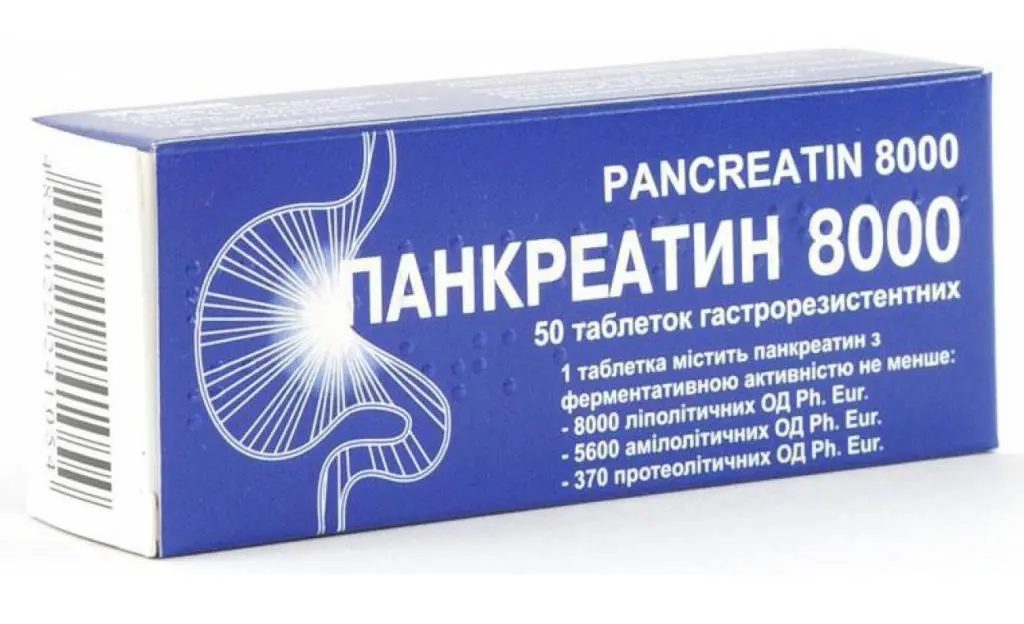
Pancreatin (pancreatin) 7000 IU Coated Tablets #20
Pancreatin is a medication that contains a combination of digestive enzymes derived from the pancreas of animals. It is used to aid in the digestion of fats, proteins, and carbohydrates in individuals who have conditions that affect the function of the pancreas, such as pancreatitis, cystic fibrosis, or pancreatic cancer. Pancreatin supplements can help improve digestion and nutrient absorption in these individuals.
What is Pancreatin?
Pancreatin is a pancreatic enzyme supplement that contains a mixture of enzymes including lipase, protease, and amylase. These enzymes help break down fats, proteins, and carbohydrates in the food we eat, allowing for better absorption of nutrients in the intestines. Pancreatin is available in various forms, including tablets, capsules, and powder, and is commonly used to support digestion in individuals with pancreatic insufficiency.
Indications
Pancreatin is indicated for use in individuals with conditions that affect the function of the pancreas, such as pancreatitis, cystic fibrosis, pancreatic cancer, or other pancreatic disorders. It is also used in individuals who have undergone pancreatic surgery or have conditions that result in malabsorption of nutrients.
Mechanism of Action
Pancreatin works by providing exogenous enzymes that help supplement the deficient pancreatic enzymes in individuals with pancreatic insufficiency. The lipase component of pancreatin helps break down fats into fatty acids and glycerol, the protease component breaks down proteins into amino acids, and the amylase component breaks down carbohydrates into simple sugars. This helps improve the digestion and absorption of nutrients in the intestines.
Dosage and Administration
Pancreatin is typically taken with meals to aid in the digestion of food. The dosage of pancreatin may vary depending on the individual’s condition and the severity of pancreatic insufficiency. It is important to follow the dosing instructions provided by a healthcare professional or as indicated on the product packaging. Pancreatin tablets should be swallowed whole with a glass of water and should not be crushed or chewed.
Side Effects
Common side effects of pancreatin may include nausea, vomiting, abdominal pain, diarrhea, or constipation. These side effects are usually mild and temporary. In rare cases, individuals may experience allergic reactions to pancreatin, which may manifest as rash, itching, or swelling of the face, tongue, or throat. If any severe or persistent side effects occur, it is important to seek medical attention promptly.
Precautions
Before using pancreatin, it is important to inform your healthcare provider about any existing medical conditions, allergies, or medications you are currently taking. Pancreatin may interact with certain medications, such as anticoagulants, and may affect their effectiveness. Individuals with a history of allergic reactions to pork products should exercise caution when using pancreatin, as it is derived from the pancreas of pigs.
Storage
Pancreatin should be stored in a cool, dry place away from direct sunlight and moisture. It is important to keep the medication out of reach of children and pets. Do not use pancreatin past its expiration date, as it may not be as effective or safe to use.
Conclusion
Pancreatin is a valuable medication that helps individuals with pancreatic insufficiency improve their digestion and nutrient absorption. By providing essential enzymes that aid in the breakdown of fats, proteins, and carbohydrates, pancreatin can support overall digestive health and well-being. It is important to use pancreatin as directed by a healthcare professional and to be aware of any potential side effects or precautions associated with its use.


