
Description
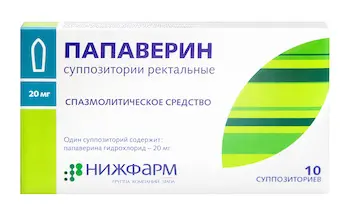
Papaverin 20 mg/ml. 2 ml. Ampoules #10
Papaverin is a medication that contains 20 mg. of the active ingredient papaverine per milliliter. It is available in 2 ml. ampoules, with each package containing 10 ampoules. Papaverin is commonly used to treat various conditions related to smooth muscle relaxation, such as spastic conditions of the gastrointestinal tract, biliary system, and urinary system. It is also used to treat vascular disorders and certain forms of erectile dysfunction.
Indications
Papaverin is indicated for the treatment of the following conditions:
- Spastic conditions of the gastrointestinal tract
- Spastic conditions of the biliary system
- Spastic conditions of the urinary system
- Vascular disorders
- Erectile dysfunction
Mechanism of Action
Papaverine exerts its pharmacological effects by inhibiting the enzyme phosphodiesterase, which results in increased levels of cyclic adenosine monophosphate (cAMP) in smooth muscle cells. This leads to relaxation of the smooth muscle, vasodilation, and improved blood flow. In conditions where spasm or constriction of smooth muscle is present, papaverine helps to alleviate these symptoms by promoting muscle relaxation.
Administration
Papaverin is typically administered by injection. The recommended dosage and frequency of administration will vary depending on the specific condition being treated and the individual patient’s response to the medication. It is important to follow the instructions provided by a healthcare professional when using papaverine to ensure safe and effective treatment.
Side Effects
Like all medications, papaverin may cause side effects in some individuals. Common side effects associated with papaverine include:
- Headache
- Dizziness
- Nausea
- Flushing
- Hypotension
If any of these side effects persist or worsen, it is important to consult a healthcare provider for further evaluation and guidance. In rare cases, more serious side effects may occur, and immediate medical attention should be sought if any severe adverse reactions are experienced.
Contraindications
Papaverin is contraindicated in individuals with a known hypersensitivity to papaverine or any of the other ingredients in the medication. It should not be used in patients with certain medical conditions, such as severe hypotension, severe coronary artery disease, or a history of priapism. Additionally, papaverine should be used with caution in patients with liver or kidney impairment, as dose adjustments may be necessary.
Drug Interactions
Papaverin may interact with other medications, potentially altering their effects or increasing the risk of side effects. It is important to inform a healthcare provider of all medications, supplements, and herbal products being taken before starting treatment with papaverine to avoid potentially harmful interactions. Some medications that may interact with papaverine include:
- Beta-blockers
- Calcium channel blockers
- Nitrates
- Antihypertensive agents
It is important to discuss any potential drug interactions with a healthcare provider to ensure safe and effective treatment with papaverine.
Storage
Papaverin ampoules should be stored at room temperature away from light and moisture. It is important to keep the medication out of reach of children and pets and to dispose of any unused or expired medication properly according to local regulations.
Conclusion
In conclusion, Papaverin is a medication used to treat spastic conditions of the gastrointestinal tract, biliary system, and urinary system, as well as vascular disorders and erectile dysfunction. It works by promoting smooth muscle relaxation through the inhibition of phosphodiesterase activity. While generally well-tolerated, papaverine may cause side effects in some individuals and may interact with other medications. It is important to use papaverine as directed by a healthcare provider and to report any adverse reactions or concerns during treatment. By following the prescribed guidelines and monitoring for potential side effects, papaverine can be a valuable medication in the management of various smooth muscle-related conditions.


