
Description
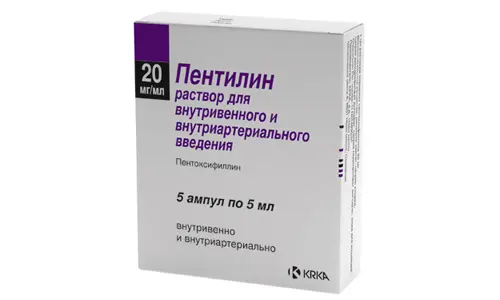
Pentilin (Pentoxifylline) 100 mg/5 ml.
Pentilin is a medication that contains the active ingredient pentoxifylline. It is available in a concentration of 100 mg. per 5 ml. and is typically dispensed in a package of 5 units. Pentilin is commonly used to treat various conditions related to blood circulation and vascular health.
What is Pentilin used for?
Pentilin is primarily used to improve blood flow and circulation in the body. It is often prescribed to treat conditions such as peripheral artery disease, intermittent claudication, and other circulatory disorders. Pentilin works by helping to widen blood vessels and improve the flow of blood through them, which can help to alleviate symptoms and improve overall vascular health.
How does Pentilin work?
The active ingredient in Pentilin, pentoxifylline, works by inhibiting an enzyme called phosphodiesterase. This enzyme plays a role in regulating blood vessel tone and smooth muscle contraction. By inhibiting phosphodiesterase, pentoxifylline helps to relax blood vessels and improve blood flow. This can lead to increased oxygen delivery to tissues, reduced inflammation, and improved circulation overall.
Dosage and Administration
Pentilin is typically taken orally in the form of a liquid solution. The standard dosage for adults is usually 400 mg. three times a day, taken with meals. The dosage may be adjusted based on individual response and the condition being treated. It is important to follow the dosing instructions provided by your healthcare provider or pharmacist.
Side Effects
Like all medications, Pentilin can cause side effects in some people. Common side effects may include:
- Nausea
- Headache
- Dizziness
- Upset stomach
- Flushing
If you experience any severe or persistent side effects while taking Pentilin, it is important to contact your healthcare provider immediately. In some cases, side effects may indicate a more serious reaction or interaction with other medications.
Precautions and Warnings
Before taking Pentilin, it is important to inform your healthcare provider about any medical conditions you have, especially if you have a history of:
- Heart disease
- High blood pressure
- Stroke
- Bleeding disorders
Additionally, you should inform your healthcare provider about any medications you are currently taking, including prescription drugs, over-the-counter medications, and herbal supplements. Some medications may interact with Pentilin and affect its effectiveness or increase the risk of side effects.
Storage and Handling
Pentilin should be stored at room temperature away from moisture and heat. It is important to keep the medication in its original packaging and to ensure that it is kept out of reach of children and pets. Do not use Pentilin if the packaging is damaged or if the medication has expired.
Conclusion
In conclusion, Pentilin is a medication that contains the active ingredient pentoxifylline and is used to improve blood flow and circulation in the body. It is commonly prescribed to treat conditions such as peripheral artery disease and intermittent claudication. Pentilin works by inhibiting an enzyme called phosphodiesterase, which helps to relax blood vessels and improve blood flow. Like all medications, Pentilin may cause side effects in some people, and it is important to follow dosing instructions and precautions provided by your healthcare provider. If you have any questions or concerns about Pentilin or its use, be sure to speak with your healthcare provider for more information.


