
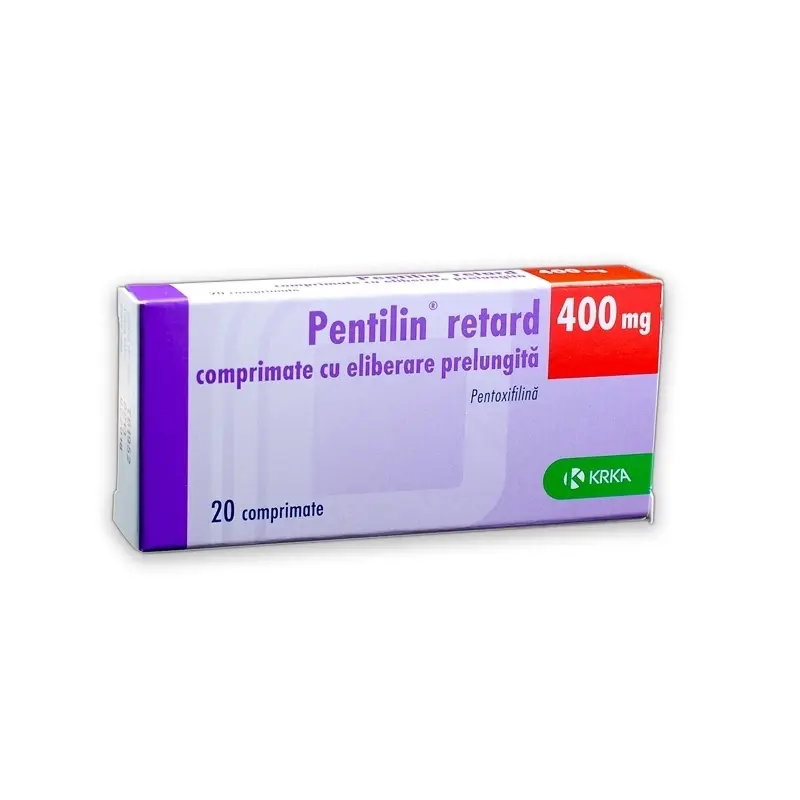
Description
Pentilin (Pentoxifylline) Tablets 400 mg.
Pentilin is a medication that contains pentoxifylline as its active ingredient. Pentoxifylline is a generic drug used to improve blood flow and reduce inflammation in patients with various medical conditions. Pentilin tablets come in a strength of 400 mg. and are available in a pack size of 20 tablets.
What is Pentilin used for?
Pentilin is commonly prescribed to treat conditions that involve poor blood circulation, such as peripheral artery disease (PAD), intermittent claudication, and chronic venous insufficiency. It is also used to improve symptoms in patients with vascular dementia and to aid in the healing of leg ulcers. Pentilin works by improving blood flow to certain parts of the body, which can help alleviate symptoms and improve overall health.
How does Pentilin work?
Pentilin contains pentoxifylline, which is classified as a hemorheologic agent. This means that it works by reducing the viscosity (thickness) of blood, allowing it to flow more easily through narrowed blood vessels. By improving blood flow, Pentilin helps to deliver oxygen and nutrients to tissues more effectively, promoting better healing and reducing symptoms associated with poor circulation.
Dosage and Administration
It is important to follow your healthcare provider’s instructions when taking Pentilin. The typical dosage for adults is one tablet (400 mg) three times daily with meals. The tablets should be swallowed whole with a glass of water and should not be crushed or chewed. Your doctor may adjust your dosage based on your individual response to the medication.
It is essential to take Pentilin regularly to achieve the best results. If you miss a dose, take it as soon as you remember, unless it is almost time for your next dose. Do not double up on doses to make up for a missed one.
Possible Side Effects
Like all medications, Pentilin may cause side effects in some individuals. Common side effects include nausea, dizziness, headache, and gastrointestinal disturbances. These side effects are usually mild and tend to improve as your body adjusts to the medication.
In rare cases, Pentilin may cause more serious side effects, such as allergic reactions, liver problems, or severe dizziness. If you experience any unusual symptoms while taking Pentilin, contact your healthcare provider immediately.
Precautions and Warnings
Before starting Pentilin, inform your doctor about any medical conditions you have, especially if you have a history of bleeding disorders, heart disease, or kidney problems. It is also important to disclose any medications you are currently taking, including over-the-counter drugs and supplements, as they may interact with Pentilin.
Do not take Pentilin if you are pregnant or breastfeeding, as the effects of pentoxifylline on fetal development and newborns are not well understood. If you become pregnant while taking Pentilin, notify your healthcare provider immediately.
Drug Interactions
Pentilin may interact with other medications, affecting how it works or increasing the risk of side effects. Some drugs that may interact with Pentilin include anticoagulants, antiplatelet drugs, and certain antibiotics. It is important to inform your doctor of all the medications you are taking to avoid potential interactions.
Storage and Handling
Pentilin tablets should be stored at room temperature away from moisture and heat. Keep the medication out of reach of children and pets. Do not use Pentilin past its expiration date, as it may not be as effective or safe to use after this time.
Conclusion
Pentilin is a medication that contains pentoxifylline and is used to improve blood flow in patients with various medical conditions. By reducing blood viscosity and increasing circulation, Pentilin can help alleviate symptoms of poor circulation and promote healing in conditions such as peripheral artery disease and vascular dementia.
It is important to take Pentilin as directed by your healthcare provider and to report any unusual symptoms or side effects. By following your doctor’s instructions and monitoring your response to the medication, you can achieve the best results and improve your overall health and well-being.


