Description
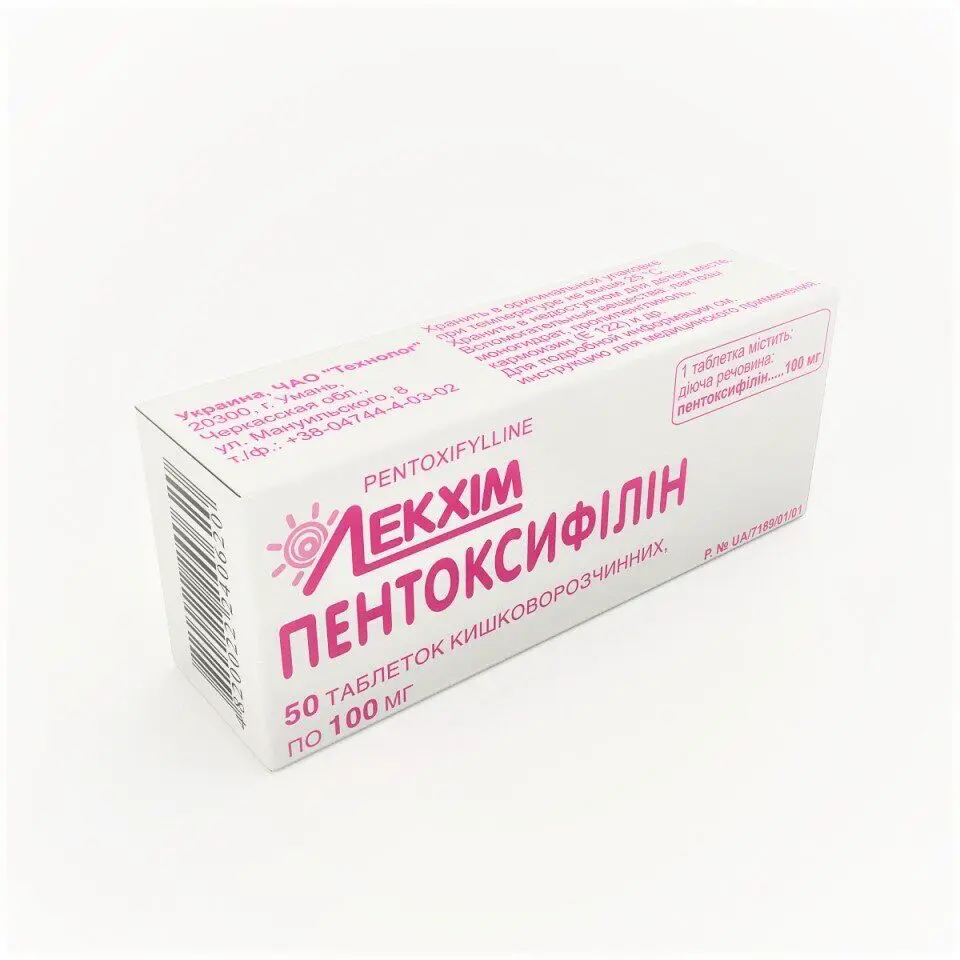
Pentoxifylline Enteric Tablets 0.1 g #50
Pentoxifylline, commonly known by its brand name Pentoxifillin, is a medication used to improve blood flow in individuals with circulation problems. It belongs to a class of drugs known as xanthine derivatives and works by decreasing the viscosity of blood, allowing it to flow more easily through the vessels.
Uses
Pentoxifylline is primarily used in the treatment of peripheral vascular disease, a condition in which there is reduced blood flow to the limbs. It is also prescribed to individuals with intermittent claudication, a symptom of peripheral artery disease characterized by leg pain during physical activity.
Mechanism of Action
Pentoxifylline works by inhibiting the enzyme phosphodiesterase, which results in increased levels of cyclic adenosine monophosphate (cAMP) within cells. This leads to vasodilation and decreased platelet aggregation, ultimately improving blood flow to the affected areas.
Administration
The medication is available in the form of enteric-coated tablets, each containing 0.1 g of pentoxifylline. The tablets should be taken orally with a full glass of water, usually with meals to reduce the risk of stomach upset.
Dosage and Administration
The typical dosage of pentoxifylline for adults is 400 mg. three times a day. However, the dosage may vary depending on the individual’s condition and response to treatment. It is important to follow the instructions provided by your healthcare provider or as indicated on the prescription label.
Side Effects
Common side effects of pentoxifylline may include gastrointestinal disturbances such as nausea, vomiting, and abdominal discomfort. Other possible side effects include dizziness, headache, and flushing. In rare cases, more serious side effects such as allergic reactions, liver problems, or bleeding may occur. If you experience any severe side effects, contact your healthcare provider immediately.
Precautions
Before taking pentoxifylline, inform your healthcare provider about any allergies you may have, as well as any medical conditions you are currently being treated for. It is important to disclose all medications, including over-the-counter drugs and supplements, to avoid potential interactions with pentoxifylline.
Drug Interactions
Pentoxifylline may interact with certain medications, including anticoagulants, antiplatelet drugs, and theophylline. These interactions can lead to an increased risk of bleeding or other adverse effects. Always consult your healthcare provider before starting or stopping any medications while taking pentoxifylline.
Storage
Store pentoxifylline tablets at room temperature away from moisture and heat. Keep the medication out of reach of children and pets. Do not use pentoxifylline after the expiration date printed on the packaging.
Conclusion
Pentoxifylline enteric tablets 0.1 g are a commonly prescribed medication for individuals with peripheral vascular disease and intermittent claudication. By improving blood flow and reducing the viscosity of blood, pentoxifylline can help alleviate symptoms and improve quality of life for those affected by these conditions. It is important to follow the prescribed dosage and instructions provided by your healthcare provider to ensure the safe and effective use of this medication.