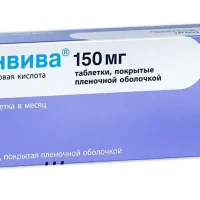

Description
Rhizostin (sodium risedronate) coated tablets 35 mg. #4
Rhizostin is a medication that contains sodium risedronate as its active ingredient. It is available in the form of coated tablets with a strength of 35 mg. per tablet. Each pack contains 4 tablets.
What is Rhizostin used for?
Rhizostin is commonly prescribed to treat and prevent osteoporosis in postmenopausal women and men. It belongs to a class of medications known as bisphosphonates, which work by slowing down bone loss and increasing bone density, thereby reducing the risk of fractures.
How does Rhizostin work?
Sodium risedronate, the active ingredient in Rhizostin, works by inhibiting bone resorption, which is the process of breaking down and removing old bone tissue. By slowing down this process, Rhizostin helps to maintain bone strength and reduce the risk of fractures in individuals with osteoporosis.
Instructions for Use
It is important to follow the instructions provided by your healthcare provider when taking Rhizostin. The usual recommended dose is one 35 mg. tablet once a week, preferably on the same day each week. The tablet should be taken with a full glass of water, at least 30 minutes before the first food, drink, or medication of the day. It is important not to lie down for at least 30 minutes after taking the tablet to prevent irritation of the esophagus.
If you forget to take a dose of Rhizostin, take it as soon as you remember. However, if it is almost time for your next dose, skip the missed dose and continue with your regular dosing schedule. Do not take a double dose to make up for a missed one.
Possible Side Effects
Like all medications, Rhizostin may cause side effects in some individuals. Common side effects may include:
- Stomach upset or pain
- Constipation
- Diarrhea
- Headache
- Muscle or joint pain
If you experience severe or persistent side effects while taking Rhizostin, contact your healthcare provider immediately. In rare cases, bisphosphonates like Rhizostin may cause serious side effects such as osteonecrosis of the jaw or atypical femur fractures. It is important to discuss the risks and benefits of Rhizostin with your healthcare provider.
Precautions and Warnings
Before taking Rhizostin, inform your healthcare provider about any medical conditions you have, especially kidney problems. It is important to stay well-hydrated while taking Rhizostin to reduce the risk of kidney damage.
Do not take Rhizostin if you are allergic to sodium risedronate or any other ingredients in the medication. Inform your healthcare provider about all the medications you are currently taking, including over-the-counter drugs, vitamins, and supplements, as they may interact with Rhizostin.
If you are pregnant, planning to become pregnant, or breastfeeding, consult your healthcare provider before using Rhizostin, as it may not be suitable for use during pregnancy or lactation.
Storage and Handling
Store Rhizostin at room temperature away from moisture and heat. Keep the tablets in their original packaging until ready to use. Do not use Rhizostin after the expiration date printed on the packaging.
Conclusion
Rhizostin is a medication used to treat and prevent osteoporosis by slowing down bone loss and increasing bone density. It contains sodium risedronate as its active ingredient and is available in coated tablets with a strength of 35 mg. Follow the instructions provided by your healthcare provider when taking Rhizostin and be aware of possible side effects and precautions. If you have any concerns or questions about Rhizostin, consult your healthcare provider for further guidance.