Description
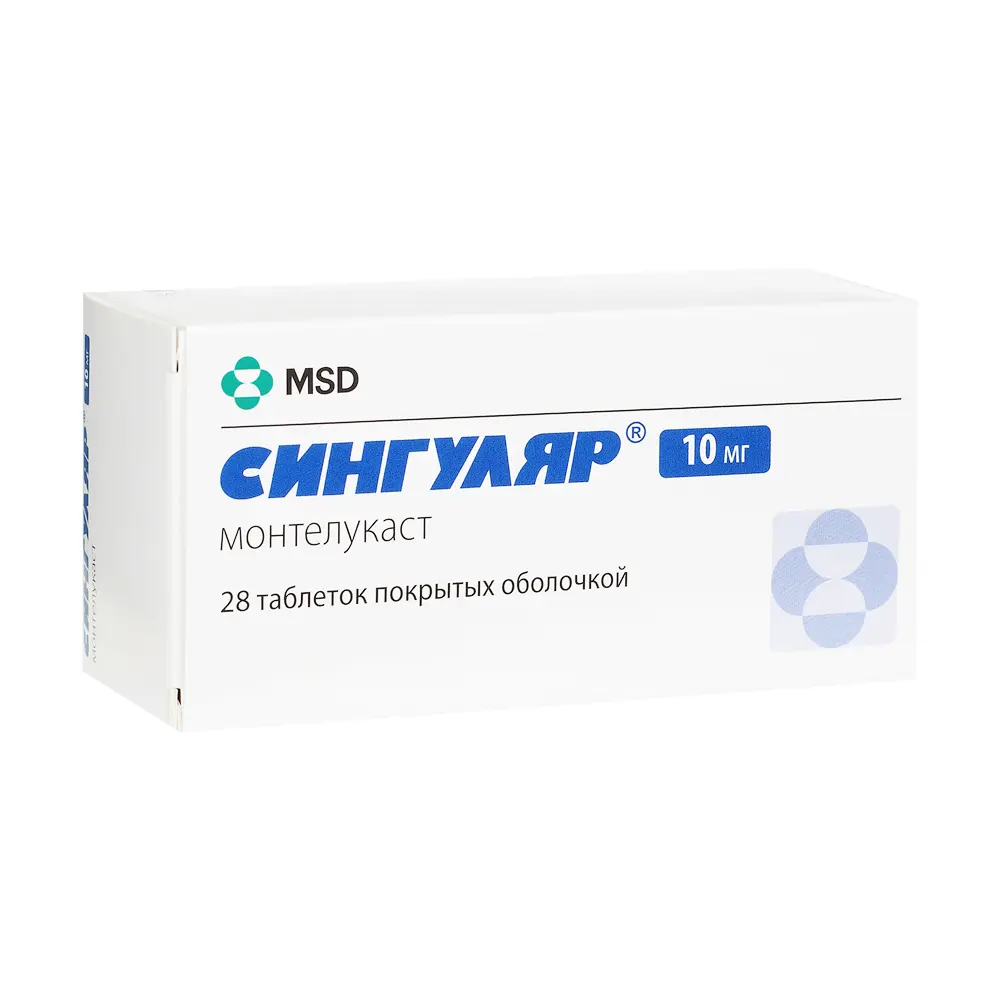
Singulair (Montelukast) Coated Tablets 10 mg.
Singulair is a medication that contains the active ingredient Montelukast. It is available in the form of coated tablets with a strength of 10 mg. per tablet. These tablets are commonly prescribed by healthcare professionals to manage symptoms of asthma and allergic rhinitis in adults and children.
Overview
Singulair belongs to a class of medications known as leukotriene receptor antagonists. It works by blocking leukotrienes, which are chemicals in the body that can cause inflammation in the airways and nasal passages. By blocking the action of leukotrienes, Singulair helps to reduce inflammation, improve breathing, and relieve symptoms such as wheezing, coughing, chest tightness, and nasal congestion.
Indications
Singulair is indicated for the following conditions:
- Asthma: Singulair is used for the prevention and long-term treatment of asthma in adults and children over the age of 6 years.
- Allergic Rhinitis: Singulair is used to relieve symptoms of allergic rhinitis, such as sneezing, runny or stuffy nose, and itching of the nose and throat, in adults and children over the age of 2 years.
Dosage and Administration
The usual recommended dose of Singulair for adults and adolescents (over 15 years of age) with asthma is 10 mg. once daily in the evening. For children aged 6 to 14 years, the recommended dose is 5 mg. once daily in the evening. For children aged 2 to 5 years with asthma, the recommended dose is 4 mg. once daily in the evening.
For the treatment of allergic rhinitis, the recommended dose of Singulair for adults and adolescents is 10 mg. once daily. For children aged 6 to 14 years, the dose is 5 mg. once daily. Children aged 2 to 5 years should be given 4 mg. once daily.
Singulair tablets should be swallowed whole with a glass of water, with or without food. It is important to take Singulair regularly as prescribed by your healthcare provider, even if you are feeling well. Do not increase or decrease the dose without consulting your doctor.
Warnings and Precautions
Before taking Singulair, inform your healthcare provider about any existing medical conditions, allergies, or medications you are currently taking. It is important to discuss the following precautions with your doctor:
- History of liver disease
- Phenylketonuria (as Singulair chewable tablets contain phenylalanine)
- Pregnancy or breastfeeding
- History of mental health disorders
- Use in children under 2 years of age
Some common side effects of Singulair may include headache, stomach pain, tiredness, cough, and fever. If you experience any severe side effects or allergic reactions, seek immediate medical attention.
Drug Interactions
Singulair may interact with certain medications and affect their effectiveness or increase the risk of side effects. Inform your healthcare provider about all the medications you are taking, including prescription drugs, over-the-counter medicines, vitamins, and herbal supplements.
Some of the drugs that may interact with Singulair include:
- Phenobarbital
- Rifampin
- Warfarin
- Aspirin
It is important to follow your doctor’s instructions and inform them of any new medications you start while taking Singulair.
Storage
Store Singulair tablets at room temperature away from moisture and heat. Keep the medication out of reach of children and pets. Do not store Singulair in the bathroom or near the kitchen sink.
Conclusion
Singulair is a commonly prescribed medication for the management of asthma and allergic rhinitis. It contains Montelukast, which helps to reduce inflammation in the airways and nasal passages by blocking leukotrienes. By following the recommended dosage and administration guidelines, as well as discussing any precautions with your healthcare provider, you can effectively manage your symptoms and improve your quality of life.
Remember to take Singulair as prescribed, report any side effects to your doctor, and keep track of any potential drug interactions. By staying informed and proactive in your treatment, you can experience the benefits of Singulair while minimizing any risks associated with its use.