
Description
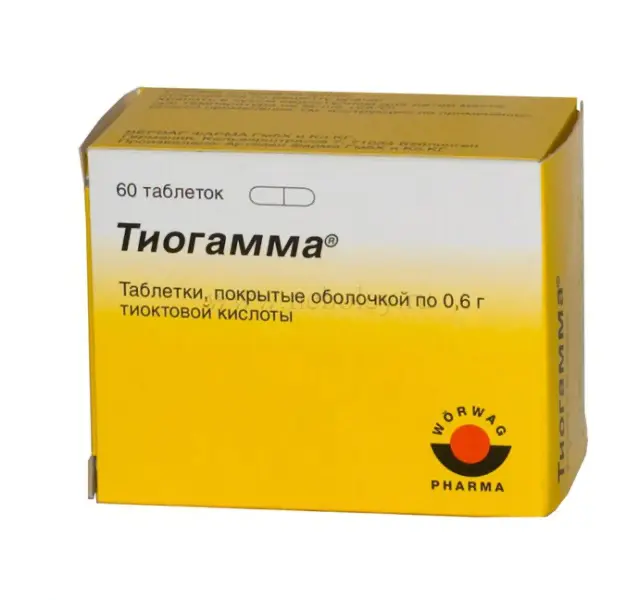
Thiogamma (α-lipoic acid) Tablets 600 mg. #60
Thiogamma is a medication that contains α-lipoic acid as its active ingredient. It is available in tablet form with a strength of 600 mg. per tablet, and each package contains 60 tablets. Thiogamma is commonly used for various health conditions and is known for its antioxidant properties and potential health benefits.
Overview
Thiogamma, also known as α-lipoic acid, is a naturally occurring compound that plays a crucial role in energy production within cells. It is both water and fat-soluble, allowing it to work in all parts of the body. Thiogamma is considered a powerful antioxidant, meaning it helps neutralize harmful free radicals in the body, which can cause damage to cells and lead to various health issues.
Uses
Thiogamma is used for various purposes, including:
- Diabetic neuropathy: Thiogamma has been shown to help improve symptoms of nerve damage in individuals with diabetes.
- Antioxidant support: Thiogamma can help protect cells from damage caused by oxidative stress.
- Weight loss: Some studies suggest that Thiogamma may aid in weight loss efforts.
- Liver health: Thiogamma may support liver function and help reduce liver damage.
How It Works
Thiogamma works primarily as an antioxidant, helping to neutralize free radicals and reduce oxidative stress in the body. It also plays a role in energy production within cells, which can benefit overall cellular function. Additionally, Thiogamma may help improve glucose metabolism and insulin sensitivity in individuals with diabetes.
Dosage and Administration
The typical dosage of Thiogamma is 600 mg. per tablet. It is usually taken once daily with a meal. It is important to follow the instructions provided by your healthcare provider or the medication label when taking Thiogamma. Do not exceed the recommended dosage unless directed by a healthcare professional.
Side Effects
While Thiogamma is generally considered safe for most individuals, some people may experience side effects. Common side effects of Thiogamma may include:
- Nausea
- Stomach upset
- Headache
- Allergic reactions
If you experience any severe or persistent side effects while taking Thiogamma, contact your healthcare provider immediately.
Precautions
Before taking Thiogamma, inform your healthcare provider if you have any allergies, medical conditions, or are taking any other medications. It is important to discuss the potential risks and benefits of Thiogamma with your healthcare provider before starting treatment.
Interactions
Thiogamma may interact with certain medications or supplements, potentially affecting how they work. Inform your healthcare provider of all the medications and supplements you are currently taking to avoid any potential interactions. Some medications that may interact with Thiogamma include:
- Insulin and other diabetes medications
- Chemotherapy drugs
- Thyroid medications
Storage
Store Thiogamma tablets at room temperature away from moisture and heat. Keep the medication out of reach of children and pets. Do not use Thiogamma if the packaging is damaged or if the tablets have expired.
Conclusion
Thiogamma tablets containing 600 mg. of α-lipoic acid are a popular supplement known for their antioxidant properties and potential health benefits. When used as directed and under the supervision of a healthcare provider, Thiogamma can be a valuable addition to your health regimen. If you have any questions or concerns about Thiogamma, consult with your healthcare provider for personalized advice.


