Description
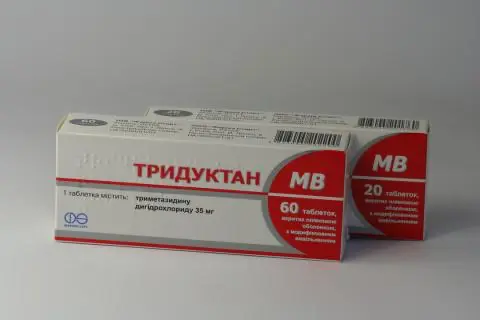
Triductan MV (trimetazidine) Coated Tablets with Prolonged Release 35 mg. #20
Triductan MV is a medication that comes in the form of coated tablets with a prolonged release of 35 mg. each. It contains the active ingredient trimetazidine, which is a well-known drug used to treat various cardiovascular conditions, particularly angina pectoris.
What is Trimetazidine?
Trimetazidine is a piperazine derivative that acts as a cytoprotective agent by improving the function of mitochondria and reducing the production of oxygen free radicals. It is commonly used in the treatment of angina pectoris, a condition characterized by chest pain or discomfort due to reduced blood flow to the heart muscle.
Indications
Triductan MV coated tablets are indicated for the treatment of angina pectoris. It helps to improve the symptoms of angina by increasing the tolerance of the heart muscle to ischemia and reducing the frequency and severity of angina attacks.
Mechanism of Action
Trimetazidine exerts its therapeutic effects by inhibiting the mitochondrial long-chain 3-ketoacyl-CoA thiolase enzyme, which leads to a shift in myocardial substrate utilization from fatty acids to glucose. This metabolic shift helps to optimize energy production in the heart muscle under conditions of ischemia or hypoxia, thereby improving cardiac function and reducing the symptoms of angina.
Dosage and Administration
Triductan MV coated tablets should be taken orally with water, preferably after meals. The usual recommended dose is one tablet (35 mg) twice daily. The tablets should be swallowed whole and not crushed or chewed.
Contraindications
Triductan MV is contraindicated in patients with hypersensitivity to trimetazidine or any of the excipients present in the formulation. It should not be used in patients with severe renal impairment, Parkinson’s disease, or in combination with drugs that prolong the QT interval.
Adverse Reactions
Common adverse reactions associated with Triductan MV include nausea, vomiting, dizziness, headache, and abdominal pain. Rare but serious side effects may include extrapyramidal disorders, parkinsonism, and tremors. Patients should seek medical attention if they experience any severe or persistent adverse reactions.
Precautions
Patients taking Triductan MV should be monitored regularly for signs of worsening angina symptoms or adverse reactions. Caution is advised when using this medication in elderly patients, patients with hepatic impairment, or patients with a history of movement disorders.
Drug Interactions
Triductan MV may interact with other medications, such as antiarrhythmics, antipsychotics, and antidepressants, leading to an increased risk of QT prolongation and arrhythmias. Patients should inform their healthcare provider about all the medications they are taking before starting Triductan MV.
Storage
Triductan MV should be stored at room temperature (15-30°C) in a dry place away from moisture and sunlight. The tablets should be kept in the original packaging and out of reach of children.
Conclusion
Triductan MV coated tablets with prolonged release 35 mg. are a valuable treatment option for patients with angina pectoris. By improving myocardial energy metabolism and reducing the symptoms of angina, trimetazidine helps to enhance the quality of life for individuals with this cardiovascular condition. It is essential to follow the prescribed dosage and administration instructions, monitor for adverse reactions, and be aware of potential drug interactions to ensure the safe and effective use of Triductan MV.