Description
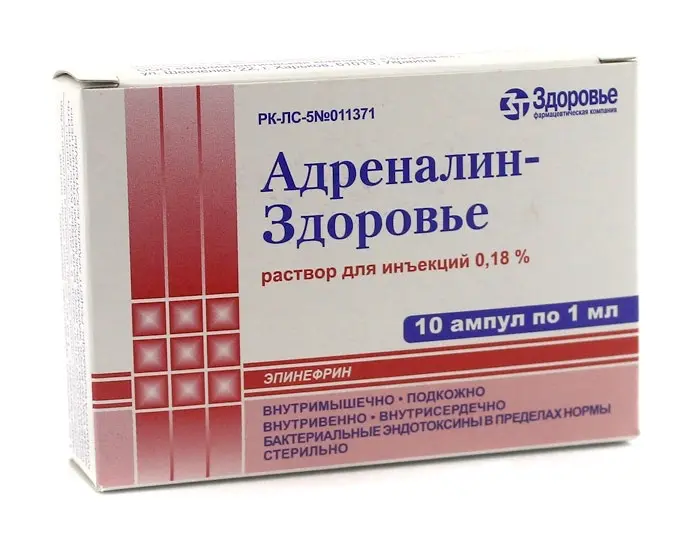
Adrenaline-D (Epinephrine) Ampoules 0.18% 1ml.
Adrenaline-D is a medication that contains epinephrine as its active ingredient. It is available in the form of ampoules with a concentration of 0.18% in 1ml. Each package contains 10 ampoules.
What is Epinephrine?
Epinephrine, also known as adrenaline, is a hormone and neurotransmitter that plays a crucial role in the body’s response to stress or danger. It is produced by the adrenal glands and acts on the sympathetic nervous system to increase heart rate, constrict blood vessels, dilate air passages, and mobilize energy stores.
Indications
Adrenaline-D ampoules are commonly used in emergency situations to treat severe allergic reactions (anaphylaxis), cardiac arrest, and severe asthma attacks. Epinephrine works quickly to reverse the symptoms of these life-threatening conditions and can be administered via intramuscular or intravenous injection.
How Does Adrenaline-D Work?
When administered, epinephrine acts on various receptors in the body, including alpha and beta adrenergic receptors. Its effects include:
- Increasing heart rate and blood pressure
- Dilating air passages in the lungs
- Constricting blood vessels in the skin and mucous membranes
- Mobilizing glucose and fatty acids for energy
Administration and Dosage
Adrenaline-D ampoules should be administered by healthcare professionals trained in the use of epinephrine. The dosage and route of administration depend on the condition being treated:
- For anaphylaxis: The usual dose is 0.3 to 0.5mg injected intramuscularly in the thigh. Repeat doses may be necessary if symptoms persist.
- For cardiac arrest: Higher doses of epinephrine are typically used, ranging from 1 to 10mg administered intravenously.
- For asthma attacks: Epinephrine can be given as a nebulized solution or injected intramuscularly at a dose determined by the healthcare provider.
Contraindications
Adrenaline-D should not be used in patients with a known allergy to epinephrine or in those with certain medical conditions, such as severe hypertension, coronary artery disease, or hyperthyroidism. It should be used with caution in patients with diabetes, as epinephrine can affect blood glucose levels.
Side Effects
Common side effects of epinephrine include:
- Rapid heartbeat
- Tremors
- Anxiety
- Headache
- Dizziness
Severe side effects such as chest pain, irregular heartbeat, or difficulty breathing should be reported to a healthcare provider immediately.
Storage
Adrenaline-D ampoules should be stored at room temperature away from light and moisture. Do not freeze the medication, and keep it out of reach of children.
Conclusion
Adrenaline-D ampoules containing epinephrine are essential medications used in emergency situations to treat severe allergic reactions, cardiac arrest, and asthma attacks. When administered appropriately by trained healthcare professionals, epinephrine can rapidly reverse life-threatening symptoms and improve patient outcomes.