Description
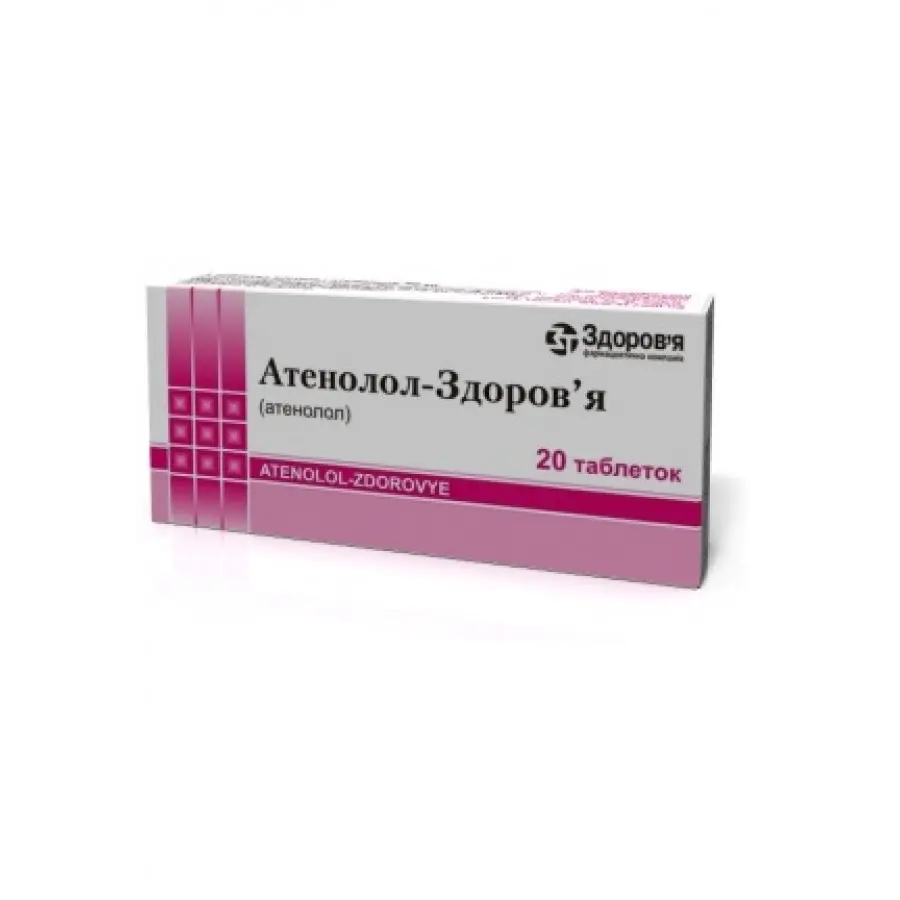
Atenolol Tablets 100 mg.
Atenolol is a medication commonly prescribed to treat high blood pressure, chest pain (angina), and to prevent heart attacks. It belongs to a class of medications known as beta-blockers, which work by blocking certain natural substances like adrenaline, leading to a slowing of the heart rate and lowering of blood pressure.
Key Information:
- Generic Name: Atenolol
- Brand Name: Atenolol Tablets 100 mg.
- Strength: 100 mg.
- Number of Tablets: 20
Usage and Indications:
Atenolol is primarily used to:
- Treat high blood pressure (hypertension)
- Prevent chest pain (angina)
- Reduce the risk of heart attacks
How It Works:
Atenolol works by blocking the action of certain natural substances in the body, such as adrenaline, that affect the heart and blood vessels. By reducing the heart rate and dilating blood vessels, atenolol helps to lower blood pressure and improve blood flow to the heart.
Directions for Use:
It is important to follow your doctor’s instructions when taking atenolol. Typically, the recommended dose for high blood pressure is 50-100 mg. once a day. For angina, the usual dose is 50-100 mg. once a day. To prevent heart attacks, the usual dose is 100 mg. once a day.
Take atenolol by mouth with or without food as directed by your doctor, usually once daily. Swallow the tablet whole with a glass of water. Do not crush or chew the tablet.
Possible Side Effects:
Common side effects of atenolol may include:
- Fatigue
- Dizziness
- Cold hands or feet
- Headache
- Upset stomach
Serious side effects of atenolol that require immediate medical attention include:
- Shortness of breath
- Swelling of the hands or feet
- Rapid weight gain
- Fainting
- Irregular heartbeat
It is important to report any side effects to your healthcare provider promptly.
Precautions and Warnings:
Before taking atenolol, inform your doctor if you have any allergies, especially to beta-blockers. Also, inform your doctor of your medical history, especially of heart problems, kidney disease, liver disease, diabetes, and thyroid disorders.
Do not stop taking atenolol suddenly without consulting your doctor, as this can lead to serious heart problems. If you need to stop the medication, your doctor may gradually reduce your dose over time.
Avoid alcohol while taking atenolol, as it can increase the risk of side effects. Also, be cautious when driving or operating machinery until you know how atenolol affects you, as it may cause dizziness or drowsiness.
Drug Interactions:
Atenolol may interact with other medications, including:
- Other blood pressure medications
- Calcium channel blockers
- Digoxin
- Insulin or oral diabetes medications
- Nonsteroidal anti-inflammatory drugs (NSAIDs)
Inform your doctor of all the medications you are currently taking to avoid any potential interactions.
Storage Instructions:
Store atenolol at room temperature away from light and moisture. Keep the medication out of reach of children and pets. Do not flush medications down the toilet or pour them into a drain unless instructed to do so.
Conclusion:
Atenolol is a commonly prescribed medication for the treatment of high blood pressure, angina, and prevention of heart attacks. It works by slowing the heart rate and lowering blood pressure. It is important to follow your doctor’s instructions carefully when taking atenolol and to report any side effects promptly. With proper usage and monitoring, atenolol can help manage cardiovascular conditions effectively.