
Description
Diclofenak Natrium Tablets
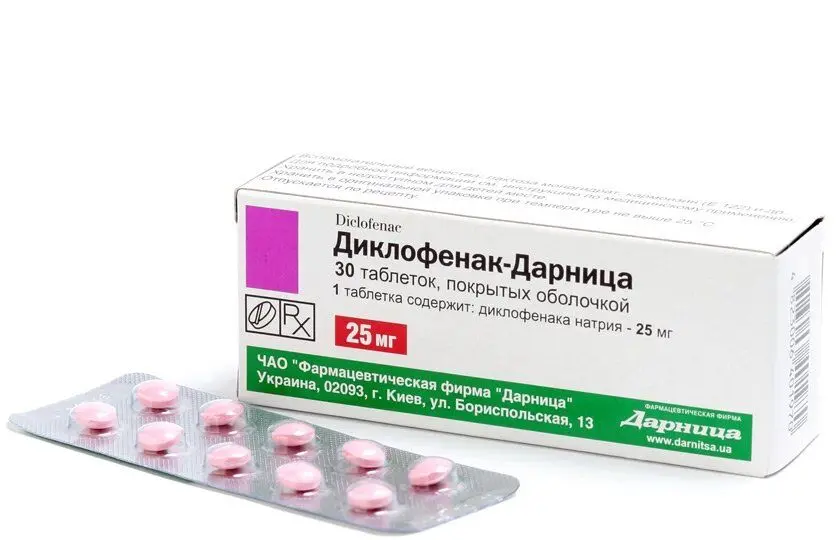
Diclofenak natrium tablets contain diclofenac as the active ingredient. Each tablet contains 0.05 grams of diclofenac. They are commonly available in a pack of 10 tablets.
What is Diclofenac?
Diclofenac is a nonsteroidal anti-inflammatory drug (NSAID) that works by reducing substances in the body that cause pain and inflammation. It is commonly used to treat pain, inflammation, and swelling caused by various conditions such as arthritis, menstrual cramps, and injuries.
How to Use Diclofenac Tablets?
It is important to follow the instructions provided by your healthcare provider or the information leaflet included with the medication. Typically, diclofenac tablets are taken by mouth with a full glass of water. The dosage and frequency of administration will depend on the condition being treated and the individual’s response to the medication.
It is recommended to take diclofenac with food to help reduce the risk of stomach upset. Do not crush or chew the tablets, swallow them whole. If you miss a dose, take it as soon as you remember. However, if it is almost time for your next dose, skip the missed dose and continue with your regular dosing schedule.
Possible Side Effects of Diclofenac
Like all medications, diclofenac can cause side effects. Common side effects may include stomach upset, nausea, diarrhea, constipation, dizziness, headache, and skin rash. If any of these side effects persist or worsen, contact your healthcare provider.
Serious side effects of diclofenac may include stomach ulcers, bleeding, high blood pressure, kidney problems, and allergic reactions. Seek immediate medical attention if you experience symptoms such as black, tarry stools, persistent stomach pain, difficulty breathing, or swelling of the face or throat.
Precautions and Warnings
Before taking diclofenac tablets, inform your healthcare provider if you have a history of stomach ulcers, high blood pressure, kidney or liver disease, heart disease, or asthma. It is important to disclose all medications you are currently taking, including prescription, over-the-counter, and herbal supplements, to avoid potential drug interactions.
Avoid consuming alcohol while taking diclofenac, as it may increase the risk of stomach bleeding. Do not use diclofenac if you are pregnant or breastfeeding without consulting your healthcare provider first.
Storage and Disposal
Store diclofenac tablets at room temperature away from moisture and heat. Keep the medication out of reach of children and pets. Do not flush unused or expired tablets down the toilet or pour them into a drain unless instructed to do so.
Conclusion
Diclofenac natrium tablets are a commonly prescribed medication for the treatment of pain and inflammation. It is important to use this medication as directed by your healthcare provider and to be aware of potential side effects and precautions. If you have any questions or concerns about diclofenac tablets, do not hesitate to speak with your healthcare provider for further guidance.


