
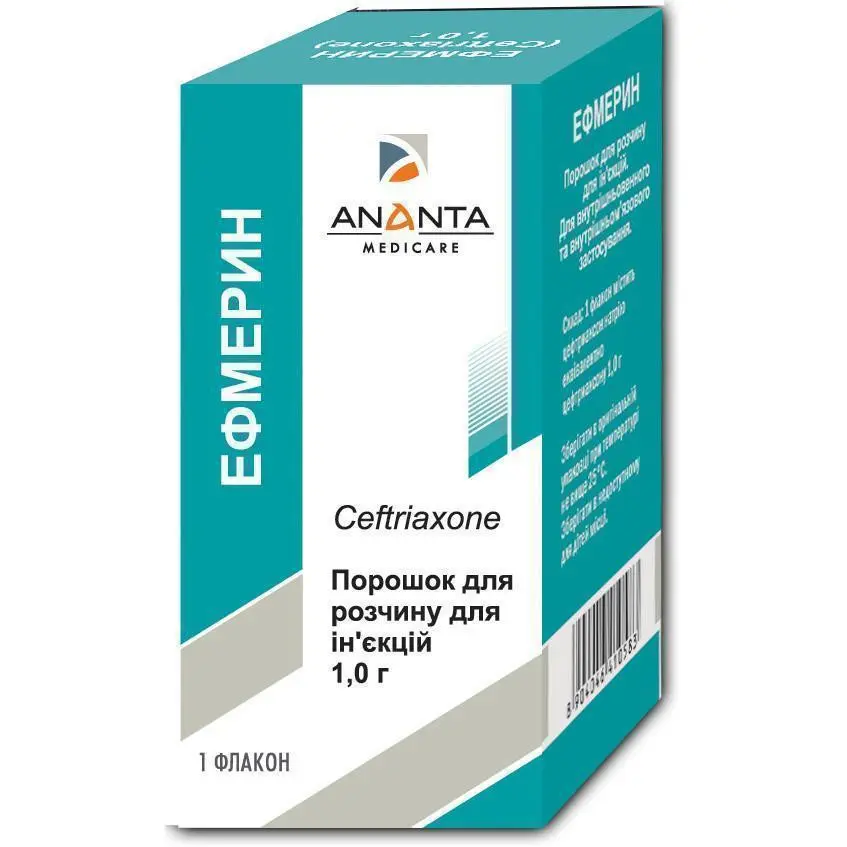
Description
Efmerin (Ceftriaxone) Powder for Injection
Efmerin is a potent antibiotic medication that contains ceftriaxone as its active ingredient. Ceftriaxone belongs to a class of antibiotics known as cephalosporins, which are used to treat a wide range of bacterial infections. Efmerin is available in powder form for injection and comes in vials containing 1 gram of the medication.
Indications
Efmerin is indicated for the treatment of various bacterial infections caused by susceptible organisms. It is commonly used to treat infections such as:
- Pneumonia
- Meningitis
- Skin and soft tissue infections
- Urinary tract infections
- Sexually transmitted infections
- Joint and bone infections
Mechanism of Action
Ceftriaxone, the active ingredient in Efmerin, works by inhibiting the synthesis of bacterial cell walls. It does this by binding to penicillin-binding proteins (PBPs) on the bacterial cell membrane, which interferes with the formation of peptidoglycan, a key component of the bacterial cell wall. By disrupting cell wall synthesis, ceftriaxone weakens the bacterial cell wall, leading to cell death and ultimately the eradication of the infection.
Administration
Efmerin is administered as an intravenous or intramuscular injection. The powder in the vial needs to be reconstituted with a compatible diluent before administration. The reconstituted solution should be clear and free from particles. The dosage and frequency of administration will depend on the type and severity of the infection being treated, as well as the patient’s age, weight, and renal function.
Adverse Effects
Like all medications, Efmerin can cause side effects in some patients. Common side effects may include:
- Nausea and vomiting
- Diarrhea
- Headache
- Skin rash
- Injection site reactions
Serious side effects of ceftriaxone may include allergic reactions, severe diarrhea (potentially due to Clostridium difficile infection), and kidney problems. It is important to seek medical attention if any severe side effects occur.
Contraindications
Efmerin should not be used in patients with a known allergy to ceftriaxone or other cephalosporin antibiotics. It should also be used with caution in patients with a history of gastrointestinal disease, particularly colitis. Patients with impaired renal function may require dosage adjustments to prevent accumulation of the medication in the body.
Warnings and Precautions
Patients receiving Efmerin should be monitored for signs of allergic reactions, especially if they have a history of allergies to beta-lactam antibiotics such as penicillin. It is important to complete the full course of treatment as prescribed by the healthcare provider to ensure the infection is fully eradicated and to prevent the development of antibiotic resistance.
Storage
The vials of Efmerin should be stored at room temperature away from light and moisture. Once reconstituted, the solution should be used immediately or refrigerated and used within a specified time frame as per the manufacturer’s instructions.
Conclusion
Efmerin (Ceftriaxone) is a valuable antibiotic medication used to treat a variety of bacterial infections. It works by inhibiting bacterial cell wall synthesis, leading to the death of susceptible bacteria. While generally well-tolerated, Efmerin can cause side effects in some patients, and precautions should be taken when administering the medication. It is essential to use Efmerin responsibly and under the guidance of a healthcare provider to ensure effective treatment and minimize the risk of adverse effects.