
Description
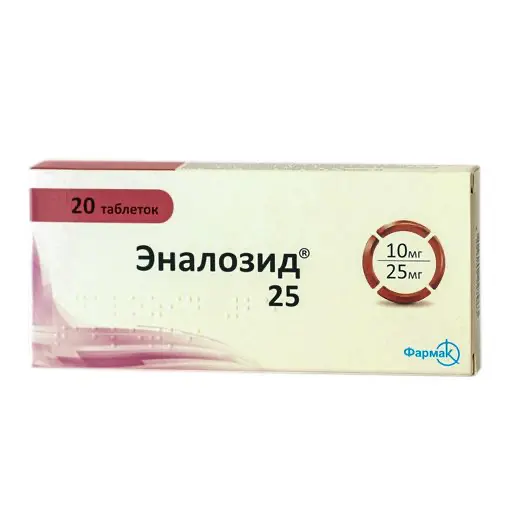
Enalozid (Enalapril, Hydrochlorothiazide) Tablets 25 mg. #20
Enalozid is a combination medication containing two active ingredients: enalapril and hydrochlorothiazide. Each tablet of Enalozid contains 25 mg. of enalapril and an appropriate dose of hydrochlorothiazide. This medication is commonly prescribed for the treatment of high blood pressure (hypertension) and other conditions related to heart and kidney function.
Enalapril
Enalapril is an angiotensin-converting enzyme (ACE) inhibitor. It works by blocking the action of a certain natural substance in the body that causes blood vessels to tighten. By relaxing the blood vessels, enalapril helps to lower blood pressure and improve blood flow, reducing the workload on the heart.
Hydrochlorothiazide
Hydrochlorothiazide is a thiazide diuretic, also known as a water pill. It works by increasing the amount of urine produced by the kidneys, which helps the body get rid of excess salt and water. This action helps to lower blood pressure and reduce swelling caused by fluid retention.
Indications
Enalozid is indicated for the treatment of hypertension (high blood pressure) in adults. It may be prescribed alone or in combination with other medications to achieve optimal blood pressure control. Enalozid may also be used to treat other conditions as determined by your healthcare provider.
Dosage and Administration
Each tablet of Enalozid contains 25 mg. of enalapril and an appropriate dose of hydrochlorothiazide. The dosage of Enalozid will be determined by your healthcare provider based on your individual medical condition and response to treatment. It is important to follow the dosing instructions provided by your doctor or pharmacist.
Enalozid tablets are typically taken once daily, with or without food. It is important to take the medication regularly to get the most benefit. Do not stop taking Enalozid without consulting your healthcare provider, even if you feel well.
Contraindications
Enalozid should not be used in patients who are allergic to enalapril, hydrochlorothiazide, or any other ingredients in the medication. It is important to inform your healthcare provider of any allergies you have before starting Enalozid treatment.
Enalozid is contraindicated in patients with a history of angioedema (swelling of the face, lips, throat, or tongue) related to previous ACE inhibitor therapy. It should also be avoided in patients with severe kidney disease, certain types of liver disease, or a history of an allergic reaction to sulfonamide-derived medications.
Warnings and Precautions
Before starting Enalozid treatment, inform your healthcare provider about any medical conditions you have, including kidney problems, liver disease, heart disease, diabetes, or a history of gout. Your doctor may need to adjust the dosage of Enalozid or monitor you more closely during treatment.
Enalozid may cause dizziness or lightheadedness, especially when standing up quickly from a sitting or lying position. To reduce the risk of falls, rise slowly and steady yourself to prevent a sudden drop in blood pressure. Avoid driving or operating machinery until you know how Enalozid affects you.
Side Effects
Like all medications, Enalozid may cause side effects in some individuals. Common side effects of Enalozid include dizziness, headache, cough, fatigue, and nausea. These side effects are usually mild and temporary, but if they persist or worsen, contact your healthcare provider.
Serious side effects of Enalozid may include signs of kidney problems (such as decreased urine output or swelling in the feet or ankles), signs of liver problems (such as yellowing of the skin or eyes), severe allergic reactions, or low blood pressure. If you experience any of these symptoms, seek immediate medical attention.
Drug Interactions
Enalozid may interact with other medications, including nonsteroidal anti-inflammatory drugs (NSAIDs), potassium supplements, lithium, certain diuretics, and other blood pressure medications. Inform your healthcare provider about all the medications you are taking, including prescription drugs, over-the-counter products, vitamins, and herbal supplements.
It is especially important to avoid using potassium supplements or salt substitutes that contain potassium while taking Enalozid, as this may lead to high levels of potassium in the blood. Your healthcare provider may need to monitor your potassium levels regularly while you are on Enalozid treatment.
Overdose
If you suspect an overdose of Enalozid, seek immediate medical attention or contact a poison control center. Symptoms of an overdose may include dizziness, weakness, fainting, extreme fatigue, or difficulty breathing.
In case of an overdose, supportive measures and symptomatic treatment may be necessary. Do not attempt to induce vomiting unless instructed by a healthcare professional.
Storage
Store Enalozid tablets at room temperature away from moisture and heat. Keep the medication in its original packaging and out of reach of children and pets. Do not use Enalozid after the expiration date printed on the packaging.
Conclusion
Enalozid is a combination medication containing enalapril and hydrochlorothiazide, commonly prescribed for the treatment of hypertension and other cardiovascular conditions. It works by lowering blood pressure, reducing fluid retention, and improving heart function.
It is important to take Enalozid as directed by your healthcare provider and to report any side effects or concerns during treatment. Follow your doctor’s instructions closely and attend regular check-ups to monitor your response to Enalozid therapy.
If you have any questions or require further information about Enalozid, consult your healthcare provider or pharmacist for personalized advice. Remember to always follow medical advice and never adjust your medication regimen without professional guidance.


