Description
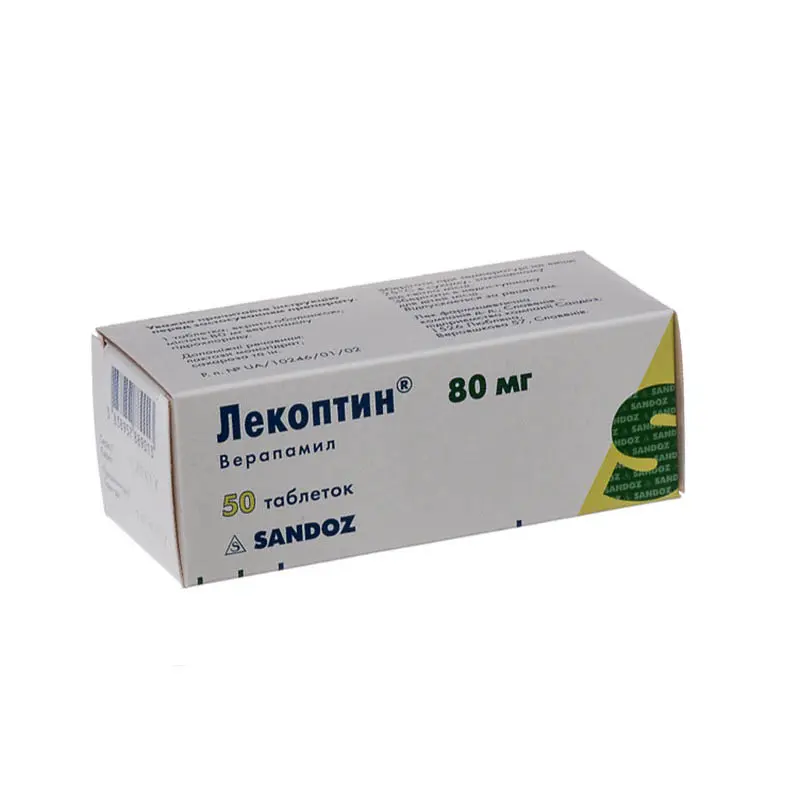
Lecoptin Coated Tablets 80 mg.
Lecoptin coated tablets are a medication commonly prescribed to patients for the treatment of various cardiovascular conditions. Each tablet contains 80 mg. of the active ingredient and is typically available in a box containing 50 tablets. This medication is classified as an antiarrhythmic agent, and works by helping to regulate the heart’s rhythm and reduce the occurrence of irregular heartbeats.
Indications
Lecoptin coated tablets are primarily used for the treatment of the following conditions:
- Atrial fibrillation
- Atrial flutter
- Ventricular tachycardia
- Supraventricular tachycardia
Mechanism of Action
The active ingredient in Lecoptin tablets is known as propafenone. Propafenone is a class Ic antiarrhythmic agent that works by blocking sodium channels in the heart muscle cells. By blocking these channels, propafenone helps to slow down the conduction of electrical signals in the heart, which can help to stabilize the heart’s rhythm and prevent the occurrence of irregular heartbeats.
Dosage and Administration
The typical recommended dosage of Lecoptin coated tablets is 80 mg. taken three times a day. The tablets should be swallowed whole with a glass of water, and can be taken with or without food. It is important to follow the dosage instructions provided by your healthcare provider, as the appropriate dosage may vary depending on the individual patient’s condition and medical history.
Contraindications
Lecoptin coated tablets are contraindicated in patients with a history of hypersensitivity to propafenone or any other ingredients in the medication. This medication should also be avoided in patients with certain pre-existing heart conditions, such as severe heart failure, severe bradycardia, or second- or third-degree atrioventricular block.
Side Effects
Like all medications, Lecoptin coated tablets may cause side effects in some patients. Common side effects of Lecoptin tablets may include:
- Nausea
- Dizziness
- Headache
- Fatigue
- Constipation
- Visual disturbances
If you experience any severe or persistent side effects while taking Lecoptin tablets, it is important to contact your healthcare provider for further evaluation and guidance.
Precautions
Before starting treatment with Lecoptin coated tablets, it is important to inform your healthcare provider about any other medications you are currently taking, including prescription drugs, over-the-counter medications, vitamins, and herbal supplements. Certain medications may interact with Lecoptin tablets and affect their efficacy or increase the risk of side effects.
Storage
Lecoptin coated tablets should be stored at room temperature, away from moisture and heat. Keep the tablets in their original packaging and out of reach of children and pets. Do not use Lecoptin tablets past their expiration date, as this may affect their potency and safety.
Conclusion
Lecoptin coated tablets are a valuable medication used in the treatment of various cardiovascular conditions, particularly those involving irregular heart rhythms. By understanding how Lecoptin works, its dosage and administration, contraindications, side effects, precautions, and storage guidelines, patients can use this medication safely and effectively under the guidance of their healthcare provider.
Remember to always consult with your healthcare provider before starting or stopping any medication, and to report any concerning symptoms or side effects while taking Lecoptin coated tablets.