Description
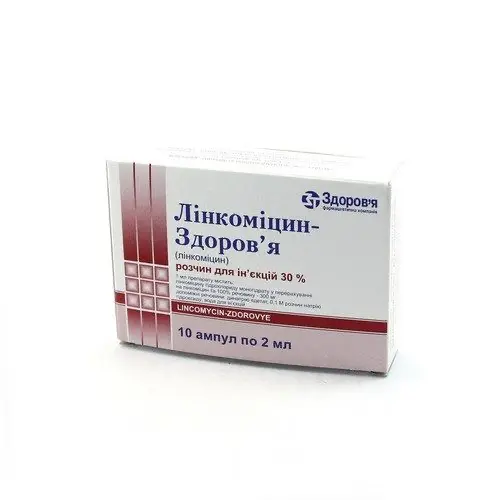
Lincomycin Ampoules 30% 2 ml. #10
Lincomycin is a powerful antibiotic used to treat a variety of bacterial infections. It belongs to the lincosamide class of antibiotics and is effective against a wide range of gram-positive and some gram-negative bacteria. Lincomycin is available in various formulations, including injectable ampoules containing 30% lincomycin in 2 ml. volume, packaged in a box of 10 ampoules.
Indications
Lincomycin is commonly used to treat infections caused by susceptible bacteria, including respiratory infections, skin infections, bone infections, and septicemia. It is also used in the treatment of serious infections such as pneumonia, endocarditis, and infections caused by Streptococcus and Staphylococcus species.
Mechanism of Action
Lincomycin works by inhibiting bacterial protein synthesis, specifically by binding to the 50S subunit of the bacterial ribosome. This prevents the formation of peptide bonds and ultimately leads to the disruption of protein production, thereby inhibiting bacterial growth and replication.
Dosage and Administration
The dosage of lincomycin varies depending on the type and severity of the infection being treated. It is usually administered via intramuscular or intravenous injection. The usual dose for adults is 600 mg. to 1.2 grams per day, divided into 2 to 3 equal doses. The dosage for children is based on their body weight and should be determined by a healthcare provider.
Side Effects
Like any medication, lincomycin can cause side effects, although not everyone will experience them. Common side effects may include gastrointestinal disturbances such as nausea, vomiting, diarrhea, and abdominal pain. Allergic reactions, such as rash, itching, and swelling, may also occur. In rare cases, lincomycin can cause more serious side effects such as liver toxicity and blood disorders.
Precautions
Before using lincomycin, inform your healthcare provider about any allergies you may have, as well as any other medications you are taking. It is important to complete the full course of treatment as prescribed, even if you start to feel better, to prevent the development of antibiotic resistance. Avoid using lincomycin in patients with a history of severe gastrointestinal disease or a known hypersensitivity to the drug.
Storage
Lincomycin ampoules should be stored at room temperature, away from light and moisture. Keep the medication out of reach of children and pets. Do not use lincomycin after the expiration date printed on the packaging.
Conclusion
Lincomycin is a valuable antibiotic that plays a crucial role in the treatment of bacterial infections. With its broad spectrum of activity and proven efficacy, lincomycin is a trusted choice for healthcare providers worldwide. However, like all medications, it should be used judiciously and in accordance with healthcare provider recommendations to ensure optimal outcomes and minimize the risk of side effects.