
Description
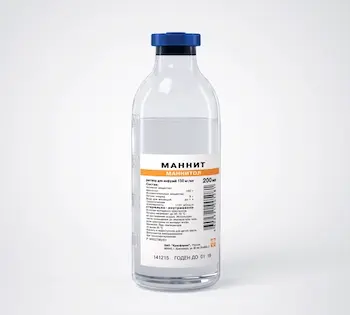
Mannitol Solution for Infusion 15% 200 ml.
Mannitol, also known by its generic name mannit, is a medication used in medical settings as a solution for infusions. It is administered intravenously and comes in a 15% concentration with a total volume of 200 ml. Mannitol is a sugar alcohol that functions as an osmotic diuretic, meaning it helps to increase urine production by drawing water into the kidneys.
Indications
Mannitol solution is commonly used for various medical conditions and situations, including:
- Reduction of intracranial pressure
- Treatment of cerebral edema
- Prevention of acute renal failure
- Induction of diuresis in certain situations
- Reduction of intraocular pressure during ophthalmic procedures
Mechanism of Action
When mannitol is administered intravenously, it remains in the vascular space and exerts its effects primarily in the kidneys. Mannitol is not metabolized by the body and is freely filtered by the glomeruli in the kidneys. As an osmotic diuretic, mannitol creates an osmotic force in the renal tubules, preventing reabsorption of water and electrolytes. This leads to increased urine production and subsequent reduction in fluid retention and pressure in various body compartments.
Administration and Dosage
Mannitol Solution for Infusion is typically administered in a hospital or clinical setting by healthcare professionals. The dosage and rate of infusion may vary depending on the specific medical condition being treated and the individual patient’s response to the medication.
It is crucial to follow the instructions provided by the healthcare provider regarding the administration of mannitol solution. Overdosage or rapid infusion of mannitol can lead to adverse effects, including electrolyte imbalances, dehydration, and renal impairment.
Contraindications
There are certain situations in which the use of mannitol solution may be contraindicated. These include:
- Severe dehydration or hypovolemia
- Anuria (inability to produce urine)
- Severe heart failure
- Active intracranial bleeding
- Known hypersensitivity to mannitol or related compounds
Prior to administration, healthcare providers should assess the patient’s medical history and current condition to determine if mannitol is a suitable treatment option.
Adverse Effects
While mannitol solution is generally well tolerated, there are potential adverse effects that may occur with its use. These can include:
- Fluid and electrolyte imbalances
- Dehydration
- Renal impairment
- Headache
- Nausea and vomiting
- Hypotension (low blood pressure)
If any of these side effects occur or worsen during treatment with mannitol, it is important to notify the healthcare provider immediately for further evaluation and management.
Precautions
When using mannitol solution for infusions, certain precautions should be taken to ensure safe and effective treatment:
- Monitor fluid and electrolyte levels regularly during treatment
- Adjust dosage based on the patient’s response and clinical condition
- Avoid rapid infusion to reduce the risk of adverse effects
- Use with caution in patients with preexisting renal impairment
It is essential for healthcare providers to closely monitor patients receiving mannitol solution and promptly address any concerns or complications that may arise during treatment.
Storage and Handling
Mannitol Solution for Infusion should be stored according to the manufacturer’s instructions to maintain its stability and efficacy. It is essential to check the expiration date and visual appearance of the solution before administration. If the solution appears discolored, contains particles, or has passed the expiration date, it should not be used.
Proper handling and disposal of unused or expired mannitol solution are necessary to prevent contamination and ensure patient safety.
Conclusion
In summary, mannitol Solution for Infusion is a medication commonly used in medical settings for the treatment of conditions such as cerebral edema, intracranial pressure, and acute renal failure. By understanding its mechanism of action, indications, contraindications, adverse effects, precautions, and proper administration, healthcare providers can use mannitol effectively and safely to benefit patients in need of its therapeutic effects.


