
Description
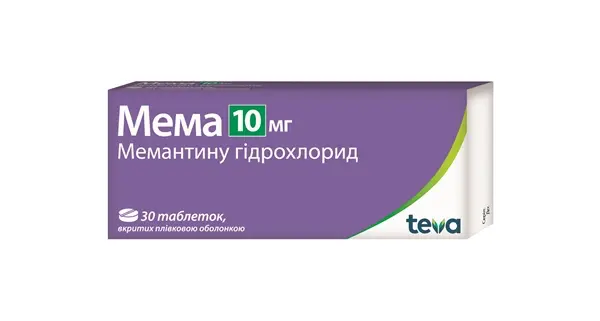
Mema (Memantine Harehare) Coated Tablets 10 mg. #30
Memantine Harehare, commonly marketed as Mema, is a medication available in the form of coated tablets with a strength of 10 mg. Each package contains 30 tablets. Memantine Harehare is prescribed for the treatment of various conditions, primarily for managing symptoms of Alzheimer’s disease. This medication belongs to a class of drugs known as N-methyl-D-aspartate (NMDA) receptor antagonists, which work by modulating the activity of glutamate, an important neurotransmitter in the brain.
Indications and Usage
Memantine Harehare is indicated for the treatment of moderate to severe Alzheimer’s disease. It is used to improve cognitive function, memory, and overall mental abilities in patients suffering from this progressive neurodegenerative disorder. Memantine Harehare may be prescribed as a monotherapy or in combination with other Alzheimer’s medications, such as cholinesterase inhibitors.
Administration and Dosage
The recommended starting dose of Memantine Harehare is 5 mg. once daily. The dose may then be increased gradually over time, as directed by a healthcare professional, up to a maximum of 20 mg. per day. It is important to follow the dosing instructions provided by the prescribing physician to ensure optimal treatment outcomes.
Memantine Harehare tablets are designed to be taken orally with or without food. The tablets should be swallowed whole with a glass of water and should not be crushed, chewed, or broken. If a dose is missed, it should be taken as soon as remembered, unless it is almost time for the next scheduled dose. In such cases, the missed dose should be skipped, and the regular dosing schedule should be resumed.
Contraindications
Memantine Harehare is contraindicated in individuals with a known hypersensitivity to memantine or any of the tablet’s components. It should not be used in patients with severe renal impairment or end-stage renal disease requiring dialysis. Additionally, this medication should not be used in combination with certain drugs that affect the pH of the urine, such as carbonic anhydrase inhibitors.
Warnings and Precautions
Prior to initiating treatment with Memantine Harehare, healthcare providers should assess the patient’s medical history, including any underlying conditions or allergies. Patients with a history of seizures or epilepsy should be monitored closely while taking Memantine Harehare, as this medication may lower the seizure threshold.
Special caution should be exercised when administering Memantine Harehare to elderly patients, as they may be more susceptible to adverse effects. It is important to monitor renal function regularly during treatment, as memantine is primarily excreted through the kidneys.
Adverse Reactions
The most commonly reported adverse reactions associated with Memantine Harehare include dizziness, headache, constipation, and confusion. These side effects are usually mild to moderate in severity and tend to resolve on their own as the body adjusts to the medication.
In rare cases, serious adverse reactions such as hallucinations, seizures, and cardiac arrhythmias may occur. Patients experiencing any severe or persistent side effects should seek medical attention promptly.
Drug Interactions
Memantine Harehare may interact with certain medications, potentially altering their efficacy or increasing the risk of adverse effects. It is essential to inform the prescribing physician about all medications, supplements, and herbal products being taken before starting Memantine Harehare therapy.
Drugs that may interact with Memantine Harehare include amantadine, ketamine, dextromethorphan, and cimetidine, among others. The concurrent use of these medications with Memantine Harehare may require dosage adjustments or close monitoring for potential interactions.
Storage and Handling
Memantine Harehare tablets should be stored at room temperature, away from moisture and heat. They should be kept in their original packaging to protect them from light and humidity. It is important to keep this medication out of reach of children and pets to prevent accidental ingestion.
Conclusion
Memantine Harehare, marketed as Mema, is a coated tablet formulation containing 10 mg. of the active ingredient memantine. This medication is primarily used in the management of symptoms associated with Alzheimer’s disease, aiming to improve cognitive function and quality of life in affected individuals.
By following the prescribed dosing regimen and adhering to the healthcare provider’s recommendations, patients can effectively benefit from the therapeutic effects of Memantine Harehare while minimizing the risk of adverse reactions and drug interactions. Regular monitoring and communication with healthcare professionals are essential components of successful treatment with Memantine Harehare.