
Description
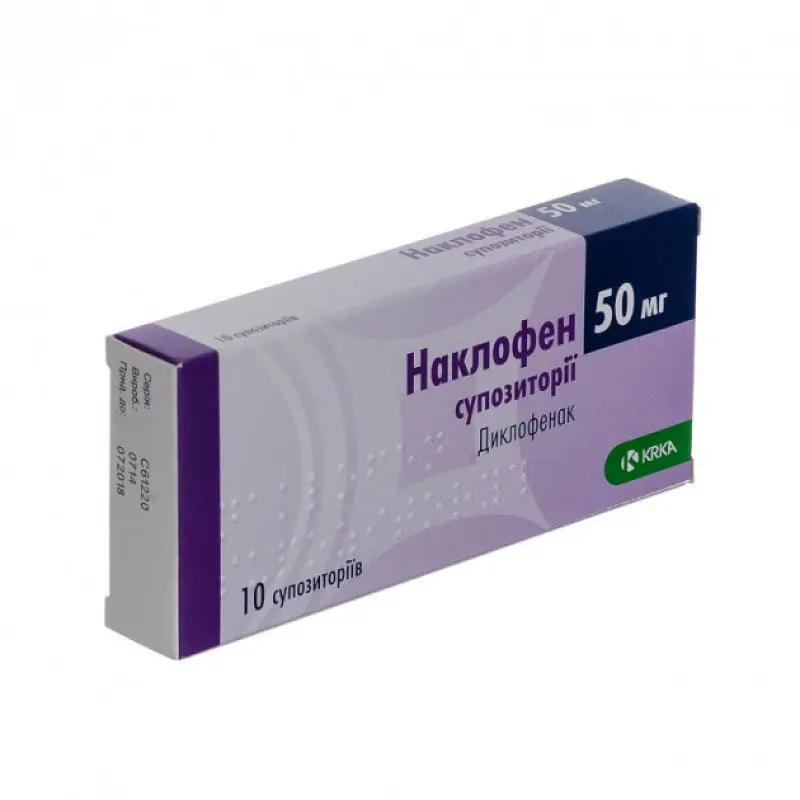
Naclofen (Diclofenac Sodium) Suppositories 50 mg.
Naclofen is a medication that contains diclofenac sodium in the form of suppositories, each containing 50 mg. of the active ingredient. It is commonly prescribed to manage pain, inflammation, and swelling in conditions such as arthritis, musculoskeletal disorders, and post-operative pain. Suppositories are a form of medication that is inserted into the rectum, where it is absorbed into the bloodstream to provide systemic relief.
Indications
Naclofen suppositories are primarily used for the following indications:
- Relief of pain and inflammation associated with arthritis
- Management of musculoskeletal disorders
- Post-operative pain control
Mechanism of Action
Diclofenac sodium, the active ingredient in Naclofen suppositories, belongs to a class of medications known as nonsteroidal anti-inflammatory drugs (NSAIDs). It works by inhibiting the enzyme cyclooxygenase (COX), which is responsible for the production of prostaglandins. Prostaglandins are chemical messengers in the body that play a key role in the inflammatory process, causing pain, swelling, and fever. By blocking the production of prostaglandins, diclofenac sodium helps reduce pain and inflammation.
Dosage and Administration
The usual recommended dosage of Naclofen suppositories is one 50 mg. suppository inserted into the rectum once or twice daily, as directed by your healthcare provider. It is important to follow the instructions provided by your doctor or pharmacist regarding the correct administration technique and frequency of use.
Contraindications
Naclofen suppositories should not be used in the following circumstances:
- Hypersensitivity to diclofenac sodium or other NSAIDs
- History of asthma, urticaria, or allergic reactions triggered by NSAIDs
- Active peptic ulcer disease or gastrointestinal bleeding
- Severe renal impairment
- Severe hepatic impairment
Adverse Effects
Like all medications, Naclofen suppositories may cause side effects in some individuals. Common side effects may include:
- Gastrointestinal disturbances such as nausea, indigestion, and abdominal pain
- Headache
- Dizziness
- Rash or itching
If you experience any severe or persistent side effects, it is important to seek medical advice promptly.
Precautions
Before using Naclofen suppositories, inform your healthcare provider if you have any of the following conditions:
- History of gastrointestinal disorders
- Cardiovascular disease
- Renal impairment
- Hepatic impairment
- History of asthma or allergic conditions
It is important to discuss your medical history and current medications with your doctor to ensure the safe and effective use of Naclofen suppositories.
Drug Interactions
Naclofen suppositories may interact with other medications, potentially affecting their efficacy or increasing the risk of adverse effects. Inform your healthcare provider about all prescription, over-the-counter, and herbal products you are taking, especially:
- Anticoagulants (blood thinners)
- Other NSAIDs
- Diuretics
- ACE inhibitors
Your doctor can provide guidance on the appropriate management of drug interactions when using Naclofen suppositories.
Storage
Store Naclofen suppositories at room temperature, away from moisture and heat. Keep the medication out of reach of children and pets. Do not use the suppositories if the packaging is damaged or if they have expired.
Conclusion
Naclofen (diclofenac sodium) suppositories 50 mg. are a valuable medication for the management of pain and inflammation associated with various conditions. By inhibiting the production of prostaglandins, diclofenac sodium provides relief from symptoms such as pain, swelling, and stiffness. However, it is essential to use this medication under the guidance of a healthcare provider, following the recommended dosage and precautions to ensure its safe and effective use.


