Description
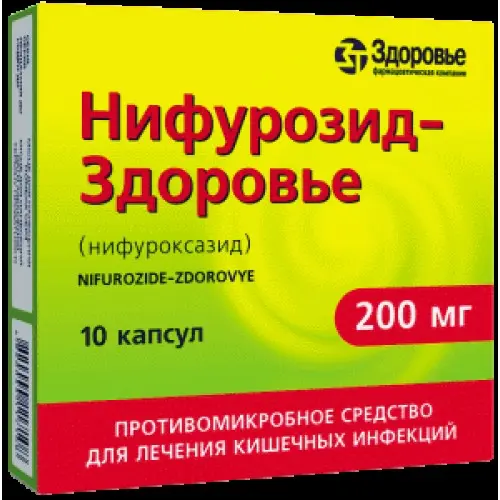
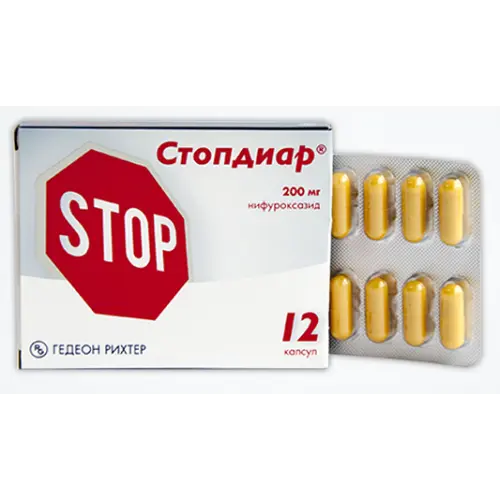
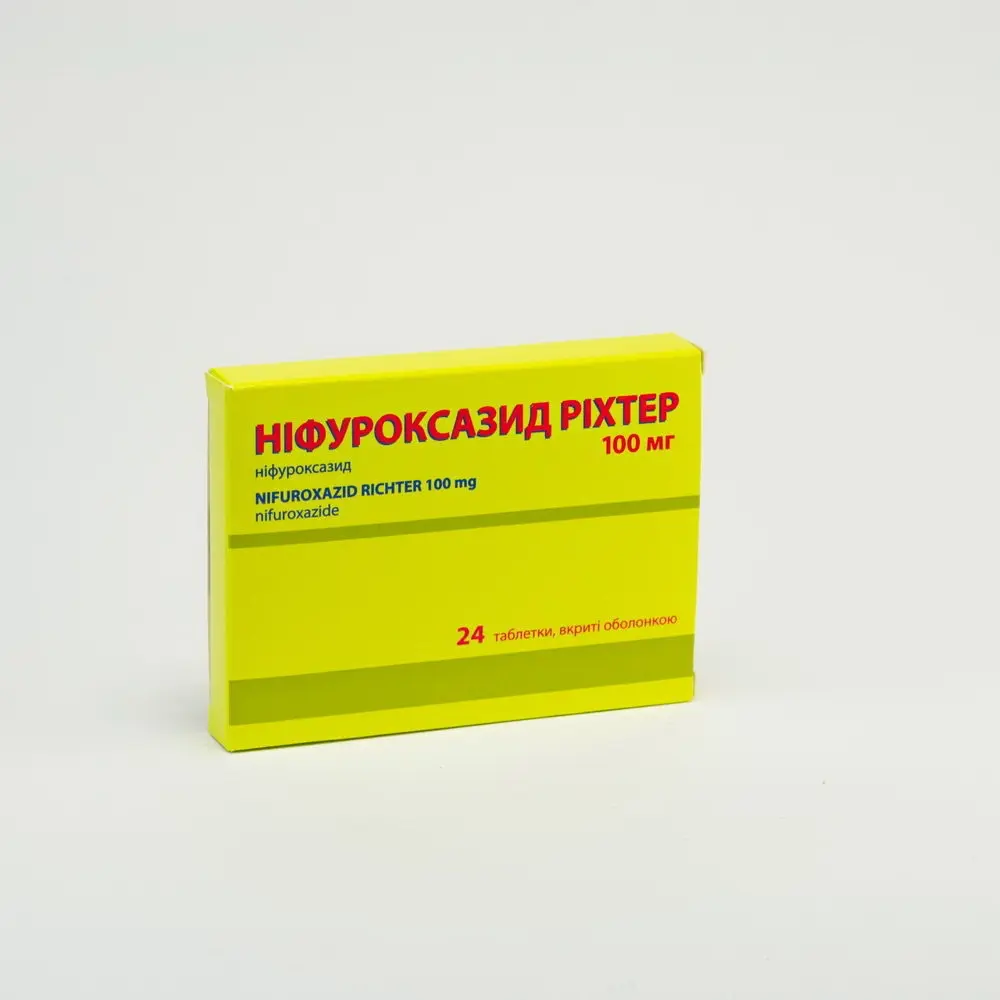
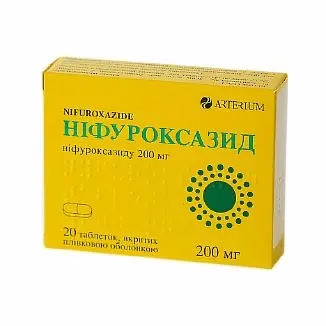
Nifuroxazid (Nifuroxazide) Coated Tablets 200 mg. #20
Nifuroxazid, also known as nifuroxazide, is a medication commonly used to treat gastrointestinal infections caused by certain types of bacteria. It belongs to a class of drugs known as nitrofuran antibiotics, which work by stopping the growth of bacteria.
The formulation of Nifuroxazid as coated tablets in 200 mg. strength makes it convenient for oral administration. Each tablet is designed to release the active ingredient gradually in the body, ensuring optimal absorption and effectiveness in fighting off infections.
Indications
Nifuroxazid coated tablets are indicated for the treatment of acute infectious diarrhea and other gastrointestinal infections caused by susceptible bacteria. It is commonly prescribed to patients suffering from bacterial gastroenteritis, traveler’s diarrhea, and other similar conditions.
Dosage and Administration
The usual recommended dosage of Nifuroxazid coated tablets is 200 mg. taken three to four times daily. The tablets should be swallowed whole with a glass of water, preferably after meals to reduce the risk of stomach upset.
It is important to complete the full course of treatment as prescribed by your healthcare provider, even if symptoms improve before the medication is finished. Failure to do so may result in the recurrence of infection or development of antibiotic resistance.
Contraindications
Nifuroxazid coated tablets are contraindicated in patients with a known hypersensitivity to nitrofurans or any other component of the formulation. It should not be used in individuals with a history of severe allergic reactions to antibiotics or a previous adverse reaction to Nifuroxazid.
Patients with severe liver impairment or certain metabolic disorders should also avoid using this medication unless specifically directed by a healthcare provider.
Adverse Reactions
Common side effects associated with Nifuroxazid coated tablets include nausea, vomiting, abdominal pain, and diarrhea. These symptoms are usually mild and transient, resolving on their own as the body adjusts to the medication.
In rare cases, severe allergic reactions such as rash, itching, swelling of the face or throat, and difficulty breathing may occur. If you experience any of these symptoms, seek immediate medical attention and discontinue the use of Nifuroxazid.
Drug Interactions
Nifuroxazid may interact with certain medications, including anticoagulants, antifungal drugs, and certain antibiotics. Inform your healthcare provider about all the medications you are currently taking, including over-the-counter products and herbal supplements, to avoid potential drug interactions.
Avoid consuming alcohol while taking Nifuroxazid, as it may increase the risk of side effects and reduce the effectiveness of the medication.
Storage
Store Nifuroxazid coated tablets in a cool, dry place away from direct sunlight and moisture. Keep the medication out of reach of children and pets, and do not use it after the expiration date printed on the packaging.
Proper disposal of unused or expired medication is important to prevent accidental ingestion and environmental contamination. Consult your local pharmacy or healthcare provider for guidance on safe disposal methods.
Conclusion
Nifuroxazid coated tablets in 200 mg. strength are a valuable treatment option for gastrointestinal infections caused by susceptible bacteria. When used as directed and under the supervision of a healthcare provider, this medication can help alleviate symptoms and promote recovery from acute infectious diarrhea and related conditions.
It is important to follow the prescribed dosage and administration instructions, report any adverse reactions promptly, and avoid potential drug interactions to ensure the safe and effective use of Nifuroxazid. If you have any questions or concerns about this medication, do not hesitate to consult your healthcare provider for further guidance.