Description
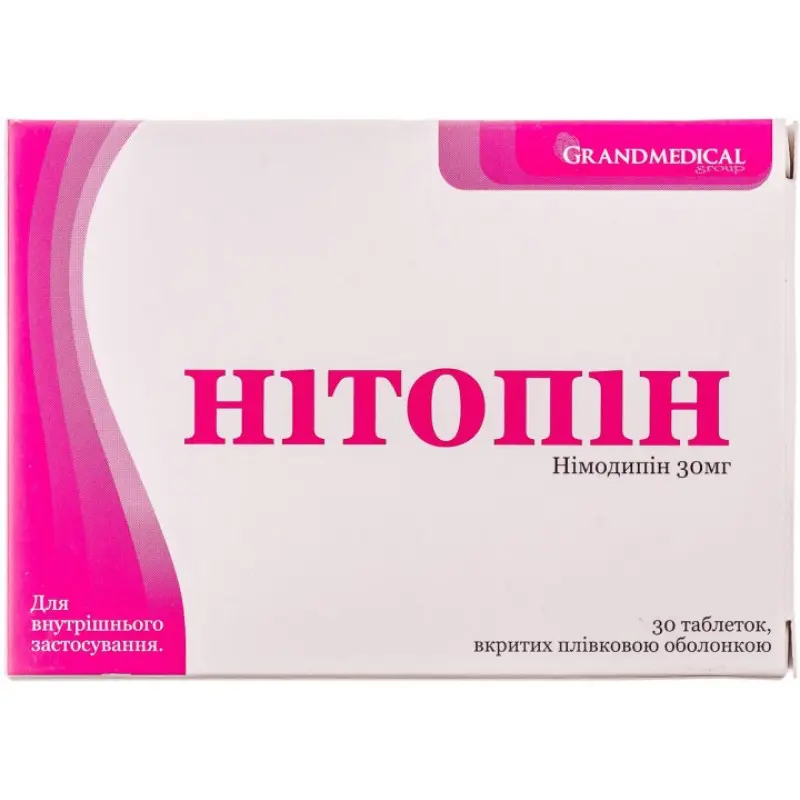
Nitopin (Nimodipine) Coated Tablets 30 mg. #30
Nitopin is a medication that comes in the form of coated tablets containing 30 mg. of the active ingredient nimodipine. It is commonly prescribed by healthcare providers to treat various conditions related to blood flow and circulation in the body. In this comprehensive guide, we will explore the uses, benefits, side effects, precautions, and other important information about Nitopin.
Uses
Nitopin is primarily used to prevent and treat conditions such as cerebral vasospasm, which is a narrowing of blood vessels in the brain that can occur after a subarachnoid hemorrhage (bleeding in the space surrounding the brain). By improving blood flow and reducing the risk of vasospasm, Nitopin can help prevent further damage to the brain and improve recovery outcomes in patients.
How It Works
The active ingredient in Nitopin, nimodipine, belongs to a class of medications known as calcium channel blockers. It works by relaxing and widening the blood vessels in the brain, allowing for better blood flow and oxygen delivery to the affected areas. This in turn helps to reduce the risk of vasospasm and improve cerebral perfusion, ultimately supporting brain function and recovery.
Benefits
Some of the key benefits of using Nitopin include:
- Preventing cerebral vasospasm after subarachnoid hemorrhage
- Improving blood flow and oxygen delivery to the brain
- Reducing the risk of further brain damage
- Enhancing recovery outcomes in patients with certain neurological conditions
Side Effects
Like all medications, Nitopin may cause certain side effects in some individuals. Common side effects of nimodipine include:
- Headache
- Dizziness
- Nausea
- Flushing
- Low blood pressure
- Edema (swelling)
If you experience any severe or persistent side effects while taking Nitopin, it is important to contact your healthcare provider for further guidance.
Precautions
Before taking Nitopin, it is important to inform your healthcare provider about any existing medical conditions, allergies, or medications you are currently taking. Additionally, certain precautions should be taken when using Nitopin, including:
- Avoiding grapefruit juice, as it may interact with nimodipine
- Not exceeding the recommended dosage without medical supervision
- Monitoring blood pressure regularly while taking Nitopin
- Avoiding sudden changes in position to prevent dizziness
Interactions
Nitopin may interact with other medications or substances, potentially affecting its effectiveness or increasing the risk of side effects. Some common drug interactions with nimodipine include:
- Other calcium channel blockers
- Antifungal medications
- Certain antibiotics
- St. John’s Wort
It is important to discuss all medications and supplements you are taking with your healthcare provider to avoid potential interactions with Nitopin.
Dosage and Administration
The typical dosage of Nitopin is one 30 mg. coated tablet taken every 4 hours, for a total of 6 tablets per day. It is important to follow your healthcare provider’s instructions regarding dosage and administration to ensure optimal effectiveness and safety of the medication.
Storage
Nitopin should be stored at room temperature away from moisture and heat. Keep the medication in its original packaging and out of reach of children and pets. Do not use Nitopin past its expiration date, and consult your pharmacist for proper disposal methods if needed.
Conclusion
In summary, Nitopin (nimodipine) coated tablets 30 mg. are a valuable medication used to improve blood flow and circulation in the brain, particularly in the prevention and treatment of cerebral vasospasm following subarachnoid hemorrhage. By understanding its uses, benefits, side effects, precautions, and proper administration, patients can maximize the benefits of Nitopin while minimizing potential risks. As always, it is important to consult with your healthcare provider for personalized guidance and monitoring while taking Nitopin.