
Description
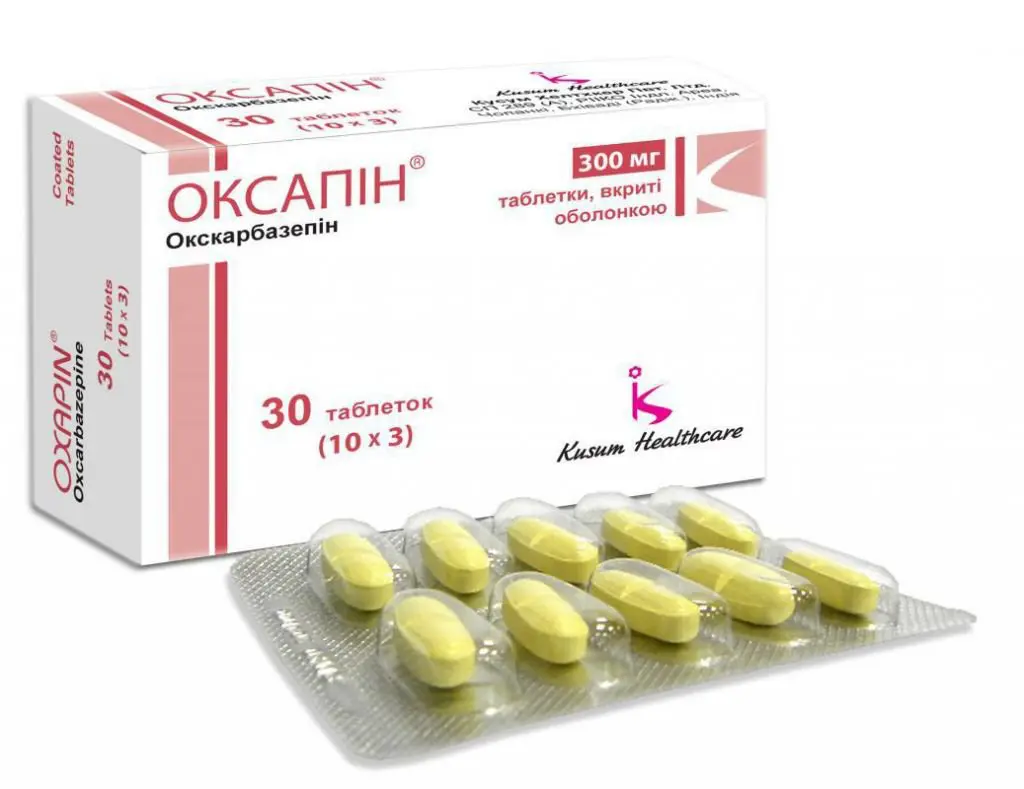
Oxapin (Oxcarbazepine) Coated Tablets 300 mg.
Oxapin is a medication that comes in the form of coated tablets containing 300 mg. of the active ingredient oxcarbazepine. It is commonly prescribed by healthcare professionals for the treatment of various medical conditions. In this detailed description, we will explore the uses, dosage, side effects, precautions, and other essential information about Oxapin.
Overview
Oxapin is classified as an anticonvulsant or antiepileptic drug that is primarily used to control and prevent seizures in patients with epilepsy. It works by stabilizing electrical activity in the brain and reducing the occurrence of abnormal electrical signals that can lead to seizures.
Uses
Oxapin is indicated for the following conditions:
- Epilepsy: It is used as a monotherapy or adjunctive therapy in the treatment of partial seizures in adults and children aged 6 years and above.
- Trigeminal Neuralgia: It may be prescribed off-label for the treatment of trigeminal neuralgia, a chronic pain condition affecting the trigeminal nerve in the face.
Dosage and Administration
The usual starting dose of Oxapin for epilepsy in adults is 600 mg. per day, divided into two doses. The dosage may be gradually increased by 300 mg. every few days based on the individual’s response and tolerance. The maximum recommended dose is typically 2400 mg. per day.
For children aged 6 to 17 years, the starting dose is based on body weight and is usually lower than that of adults. The healthcare provider will determine the appropriate dosage for the child based on their weight and medical history.
Oxapin tablets should be taken with food to reduce the risk of stomach upset. The tablets should be swallowed whole with a glass of water and should not be crushed or chewed.
Side Effects
Like all medications, Oxapin may cause side effects in some individuals. Common side effects include:
- Dizziness
- Drowsiness
- Headache
- Nausea
- Double vision
- Unsteadiness
Serious side effects that require immediate medical attention include:
- Skin rash
- Signs of liver problems (e.g., yellowing of the skin or eyes, dark urine)
- Severe allergic reactions
- Mood changes or suicidal thoughts
If you experience any severe or persistent side effects while taking Oxapin, contact your healthcare provider immediately.
Precautions
Before taking Oxapin, inform your healthcare provider about any medical conditions you have, especially:
- History of allergic reactions to antiepileptic drugs
- Liver or kidney disease
- History of mood disorders or suicidal thoughts
- Pregnancy or breastfeeding
It is important to follow your healthcare provider’s instructions carefully and not to exceed the recommended dosage of Oxapin. Abruptly stopping the medication can lead to an increase in seizures, so it is essential to gradually taper off the drug under medical supervision if necessary.
Interactions
Oxapin may interact with other medications, supplements, or substances. Inform your healthcare provider about all the drugs you are currently taking, including:
- Other antiepileptic drugs
- Oral contraceptives
- Antibiotics
- Antidepressants
- Alcohol
Some drug interactions may reduce the effectiveness of Oxapin or increase the risk of side effects. Your healthcare provider will monitor your condition closely and adjust your treatment plan as needed to minimize the risk of interactions.
Storage
Store Oxapin tablets at room temperature, away from moisture and heat. Keep the medication out of reach of children and pets. Do not use Oxapin past the expiration date printed on the packaging.
Conclusion
Oxapin is a valuable medication for the management of epilepsy and certain other neurological conditions. When taken as prescribed and under the supervision of a healthcare provider, Oxapin can help control seizures and improve the quality of life for individuals living with epilepsy. If you have any questions or concerns about Oxapin, do not hesitate to consult your healthcare provider for personalized advice and guidance.


