
Description
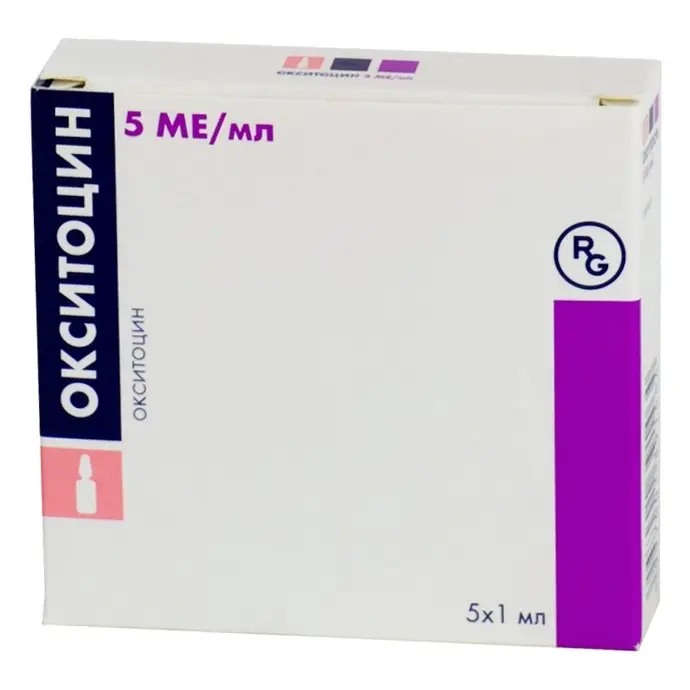
Oxytocin Ampoules 5 IU/ml.
Oxytocin ampoules are a medication commonly used in the medical field to induce labor, control postpartum bleeding, and treat certain conditions related to the uterus and reproductive system. Each ampoule contains 5 International Units (IU) of oxytocin in 1 milliliter (ml) of solution. This medication is typically administered intravenously or intramuscularly, and it is available in a package of 10 ampoules.
Uses of Oxytocin
Oxytocin is a hormone that plays a crucial role in various physiological processes, particularly in the female reproductive system. It is commonly used for the following purposes:
- Inducing labor: Oxytocin is often administered to pregnant women to stimulate uterine contractions and initiate the process of childbirth.
- Controlling postpartum bleeding: Oxytocin helps the uterus contract after delivery, reducing the risk of excessive bleeding.
- Treating uterine conditions: Oxytocin may be used to manage conditions such as uterine inertia or to support the completion of a miscarriage.
Administration and Dosage
Oxytocin ampoules are typically administered by healthcare professionals in a clinical setting. The dosage and administration method may vary depending on the specific indication for which the medication is being used. It is important to follow the instructions provided by a healthcare provider or pharmacist carefully.
Common dosages of oxytocin for labor induction range from 0.5 to 1 milliunit per minute, gradually increasing until contractions are adequate for labor. For postpartum bleeding, a bolus dose followed by a continuous infusion may be used to help control bleeding.
Possible Side Effects
As with any medication, oxytocin may cause side effects in some individuals. Common side effects of oxytocin administration may include:
- Nausea
- Vomiting
- Headache
- Palpitations
- Uterine hypertonicity
Serious side effects such as uterine rupture or water intoxication are rare but may occur with improper dosing or administration of oxytocin. It is essential to monitor patients closely during oxytocin administration to ensure safety and efficacy.
Precautions and Contraindications
Before using oxytocin, healthcare providers should consider the patient’s medical history, allergies, and current medications to determine if the medication is appropriate. Oxytocin may not be suitable for individuals with certain conditions, such as:
- Severe hypertension
- Placental abnormalities
- Previous uterine surgery
- History of uterine hyperstimulation
Additionally, caution should be exercised when using oxytocin in patients with a history of cardiovascular disease or other medical conditions that may be exacerbated by uterine contractions.
Storage and Handling
Oxytocin ampoules should be stored according to the manufacturer’s instructions to ensure stability and efficacy. It is important to keep the medication in a cool, dark place away from direct sunlight and extreme temperatures. Proper handling and disposal of unused or expired oxytocin ampoules are essential to prevent accidental exposure or contamination.
Conclusion
Oxytocin ampoules are a valuable medication used in obstetrics and gynecology to facilitate labor, manage postpartum bleeding, and treat certain uterine conditions. When used appropriately and under the supervision of a healthcare professional, oxytocin can help improve maternal and neonatal outcomes. It is important for healthcare providers to be knowledgeable about the administration, dosage, side effects, precautions, and contraindications of oxytocin to ensure safe and effective use of this medication.