
Description
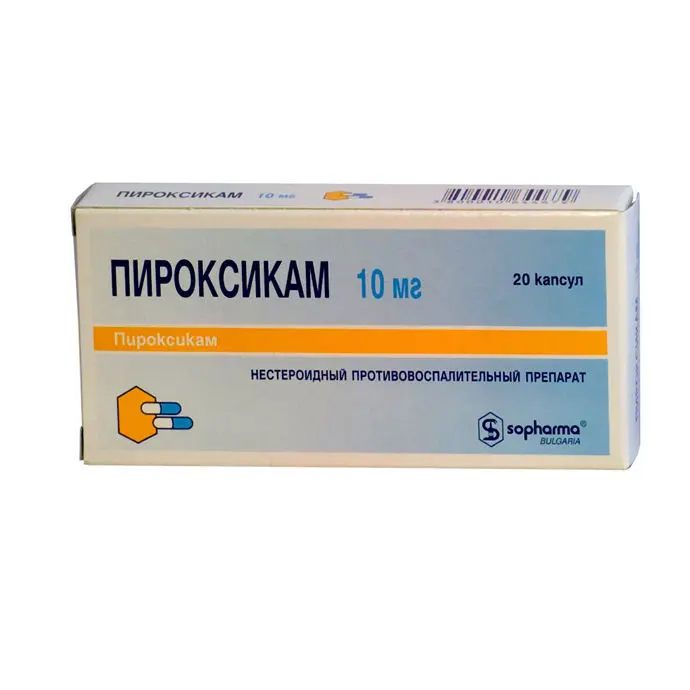
Piroxicam Sofarma (piroxicam) Capsules 10 mg. #20
Piroxicam Sofarma is a medication available in the form of capsules containing 10 mg. of the active ingredient piroxicam. This medication is commonly prescribed for the treatment of various conditions related to inflammation and pain. In this detailed guide, we will explore the uses, mechanism of action, dosage, side effects, and precautions associated with Piroxicam Sofarma.
Uses:
Piroxicam Sofarma is a nonsteroidal anti-inflammatory drug (NSAID) that is used to relieve pain and inflammation associated with conditions such as arthritis, osteoarthritis, rheumatoid arthritis, and ankylosing spondylitis. It works by reducing the production of certain chemicals in the body that cause pain and inflammation.
In addition to treating these conditions, Piroxicam Sofarma may also be prescribed for other off-label uses as determined by a healthcare provider.
Mechanism of Action:
The active ingredient in Piroxicam Sofarma, piroxicam, works by inhibiting the enzyme cyclooxygenase (COX), which is involved in the production of prostaglandins. Prostaglandins are substances in the body that play a key role in inflammation, pain, and fever. By blocking the production of prostaglandins, piroxicam helps to reduce pain and inflammation.
Dosage:
The dosage of Piroxicam Sofarma will vary depending on the specific condition being treated, the patient’s age and weight, and other factors. It is important to follow the dosing instructions provided by your healthcare provider or as indicated on the prescription label.
Typically, the recommended starting dose of Piroxicam Sofarma is 10 mg. once daily. The dose may be adjusted by a healthcare provider based on the individual’s response to treatment and any side effects experienced.
Piroxicam Sofarma capsules should be taken with a full glass of water, with or without food. It is important not to crush, chew, or open the capsules, as this can affect the release of the medication.
Side Effects:
While Piroxicam Sofarma is generally well-tolerated, like all medications, it can cause side effects in some individuals. Common side effects of piroxicam may include:
- Stomach upset or pain
- Heartburn
- Nausea
- Headache
- Dizziness
Serious side effects of piroxicam that require immediate medical attention include:
- Severe stomach pain
- Black or bloody stools
- Chest pain
- Shortness of breath
- Signs of an allergic reaction (rash, itching, swelling of the face or throat)
If you experience any severe or persistent side effects while taking Piroxicam Sofarma, contact your healthcare provider immediately.
Precautions:
Before starting treatment with Piroxicam Sofarma, it is important to inform your healthcare provider about any medical conditions you have, especially:
- History of stomach ulcers or bleeding
- High blood pressure
- Heart disease
- Kidney or liver problems
- History of asthma
Additionally, it is important to disclose all medications you are currently taking, including prescription drugs, over-the-counter medications, and herbal supplements, as they may interact with Piroxicam Sofarma.
Piroxicam Sofarma should not be used in the following situations:
- During the last trimester of pregnancy
- If you have a history of allergic reactions to NSAIDs
- If you are currently taking other NSAIDs
It is important to use Piroxicam Sofarma with caution in elderly patients, as they may be more susceptible to side effects such as stomach bleeding and kidney problems.
Conclusion:
Piroxicam Sofarma is a medication that can provide relief from pain and inflammation associated with various conditions. By understanding its uses, mechanism of action, dosage, side effects, and precautions, you can make informed decisions about its use and ensure safe and effective treatment. If you have any questions or concerns about Piroxicam Sofarma, consult your healthcare provider for personalized advice and guidance.