Description
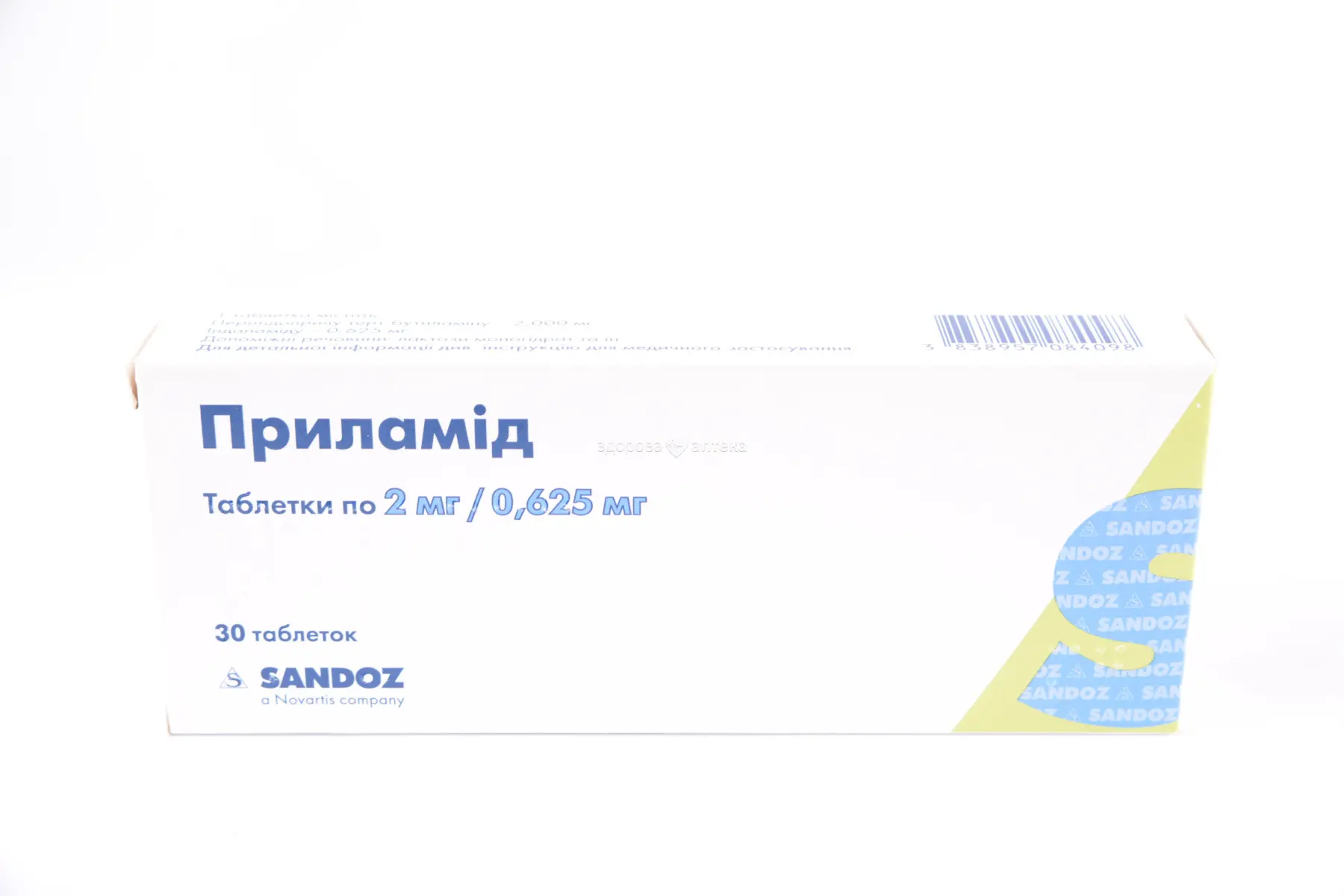
Prilamid Tablets 4 mg/1.25 mg.
Prilamid tablets contain a combination of two active ingredients, perindopril and indapamide, in the strength of 4 mg. and 1.25 mg. respectively. This medication is available in a pack size of 30 tablets.
Overview
Prilamid is a pharmaceutical product that belongs to a class of medications known as antihypertensives. It is commonly prescribed for the treatment of high blood pressure (hypertension) in adults. The combination of perindopril and indapamide works synergistically to lower blood pressure by different mechanisms of action.
Active Ingredients
- Perindopril (4 mg): Perindopril is an angiotensin-converting enzyme (ACE) inhibitor. It works by blocking the action of ACE, an enzyme that produces angiotensin II, a substance that constricts blood vessels. By inhibiting ACE, perindopril helps to dilate blood vessels, reducing blood pressure.
- Indapamide (1.25 mg): Indapamide belongs to a class of medications called thiazide-like diuretics. It works by increasing the excretion of sodium and water from the body, thereby reducing fluid retention and lowering blood pressure.
Indications
Prilamid tablets are indicated for the treatment of hypertension (high blood pressure) in adult patients. It may be prescribed as a first-line treatment or in combination with other antihypertensive medications, depending on the individual patient’s condition.
Dosage and Administration
The usual recommended dose of Prilamid tablets is one tablet taken orally once daily, preferably in the morning. It is important to follow the dosage instructions provided by your healthcare provider or as indicated on the prescription label.
Swallow the tablet whole with a glass of water, without chewing or crushing it. Prilamid tablets can be taken with or without food, but it is advisable to take them at the same time each day to maintain a consistent level of the medication in your body.
Contraindications
Prilamid tablets are contraindicated in patients with a known hypersensitivity to perindopril, indapamide, or any other components of the medication. It should not be used in patients with a history of angioedema (swelling of the face, lips, throat, or tongue) related to previous ACE inhibitor therapy.
Additionally, Prilamid should be avoided in patients with severe renal impairment, hyperkalemia (high levels of potassium in the blood), anuria (inability to urinate), or hepatic impairment.
Warnings and Precautions
Before starting treatment with Prilamid tablets, it is important to inform your healthcare provider about any medical conditions you have, especially if you have a history of kidney disease, liver disease, heart disease, electrolyte imbalances, or diabetes.
Prilamid may cause low blood pressure (hypotension), especially in patients who are dehydrated or have volume depletion. Monitoring of blood pressure and electrolyte levels is recommended during treatment with this medication.
Adverse Effects
Common side effects associated with Prilamid tablets may include dizziness, headache, fatigue, cough, and gastrointestinal disturbances such as nausea, vomiting, or diarrhea. These side effects are usually mild and transient.
Serious adverse effects of Prilamid may include hypotension, electrolyte abnormalities, renal impairment, angioedema, and hypersensitivity reactions. If you experience any severe or persistent side effects while taking Prilamid, seek medical attention immediately.
Drug Interactions
Prilamid tablets may interact with other medications, including potassium-sparing diuretics, potassium supplements, nonsteroidal anti-inflammatory drugs (NSAIDs), lithium, and certain antidiabetic drugs. It is important to inform your healthcare provider about all the medications you are taking before starting Prilamid therapy.
Storage
Store Prilamid tablets at room temperature, away from moisture and heat. Keep the medication in its original packaging and out of reach of children. Do not use Prilamid tablets past the expiration date printed on the label.
Conclusion
Prilamid tablets are a combination medication containing perindopril and indapamide, used for the treatment of hypertension in adult patients. This medication works by lowering blood pressure through different mechanisms of action, offering an effective therapeutic option for managing high blood pressure.
It is important to follow the dosage instructions provided by your healthcare provider and to be aware of the potential side effects and drug interactions associated with Prilamid tablets. If you have any concerns or questions about this medication, do not hesitate to consult your healthcare provider for further guidance.