Description
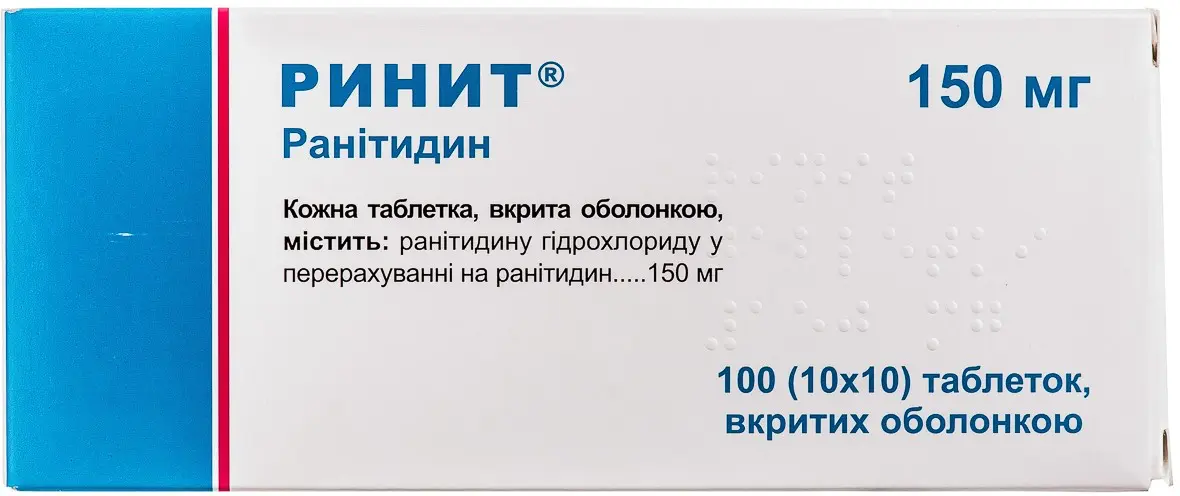
Rinit (Ranitidine) Coated Tablets 150 mg.
Rinit is a medication that comes in the form of coated tablets containing 150 mg. of the active ingredient ranitidine. It is commonly prescribed to treat various conditions related to the stomach and digestive system. Each package contains 100 tablets, providing a sufficient supply for the prescribed treatment duration.
Overview
Ranitidine is a type of medication known as an H2 receptor antagonist. It works by reducing the production of acid in the stomach, which can help alleviate symptoms associated with conditions such as acid reflux, heartburn, and ulcers. Rinit tablets are formulated with a special coating to ensure the active ingredient is released in a controlled manner, maximizing its efficacy and reducing the risk of side effects.
Indications
Rinit tablets are commonly prescribed for the following conditions:
- Gastric ulcers
- Duodenal ulcers
- Gastroesophageal reflux disease (GERD)
- Heartburn
- Esophagitis
- Zollinger-Ellison syndrome
Dosage and Administration
It is important to follow the dosage instructions provided by your healthcare provider or as indicated on the packaging. The usual dose for adults is one 150 mg. tablet taken orally twice daily, preferably in the morning and evening. The tablets should be swallowed whole with a glass of water, and it is recommended to take them with or after food to minimize the risk of stomach upset.
If you miss a dose, take it as soon as you remember. However, if it is almost time for your next dose, skip the missed dose and continue with your regular dosing schedule. Do not take a double dose to make up for a missed one.
Precautions
Before taking Rinit tablets, inform your healthcare provider about any allergies you may have, as well as any existing medical conditions or medications you are currently taking. Ranitidine may interact with certain medications, so it is important to disclose all prescription and over-the-counter drugs, as well as any herbal supplements.
It is advisable to avoid alcohol and acidic foods while taking Rinit tablets, as they can exacerbate stomach issues and reduce the effectiveness of the medication. If you experience any severe side effects or allergic reactions, seek medical attention immediately.
Side Effects
Common side effects of Rinit tablets may include:
- Headache
- Dizziness
- Nausea
- Constipation
- Diarrhea
If these side effects persist or worsen, contact your healthcare provider for further guidance. In rare cases, ranitidine may cause more serious side effects such as liver problems or allergic reactions. If you experience symptoms such as yellowing of the skin, dark urine, or difficulty breathing, seek immediate medical attention.
Storage
Store Rinit tablets in a cool, dry place away from direct sunlight and moisture. Keep the tablets in their original packaging and out of reach of children and pets. Do not use the medication past its expiration date, and dispose of any unused or expired tablets according to local regulations.
Conclusion
Rinit (Ranitidine) Coated Tablets 150 mg. provide an effective treatment option for individuals suffering from stomach and digestive issues. By reducing stomach acid production, these tablets can help alleviate symptoms such as ulcers, acid reflux, and heartburn, improving overall quality of life. It is essential to follow the prescribed dosage and precautions to ensure the safe and effective use of this medication.