
Description
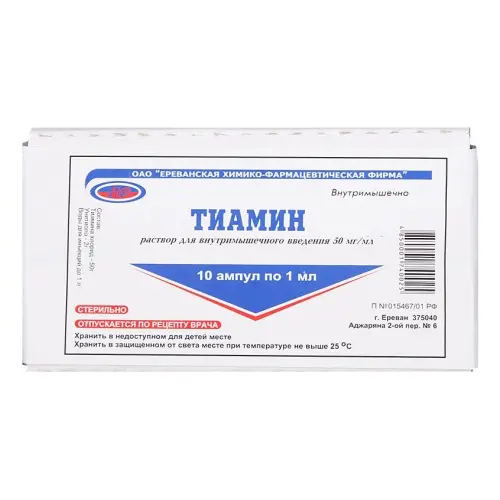
Thiamine Chloride (Vitamin B1) 50 mg/ml.
Thiamine chloride, also known as vitamin B1, is an essential nutrient that plays a crucial role in maintaining overall health and well-being. It is a water-soluble vitamin that cannot be stored in the body, so it needs to be consumed regularly through diet or supplementation.
Each ampoule of Thiamine Chloride contains 50 mg/ml. of the active ingredient, providing a concentrated dose of vitamin B1. This medicine is available in a pack of 10 ampoules, with each ampoule containing 1 ml. of the solution.
What is Thiamine Chloride (Vitamin B1)?
Thiamine chloride, or vitamin B1, is a vital nutrient that is essential for converting food into energy. It is involved in various metabolic processes in the body, including carbohydrate metabolism and the production of ATP (adenosine triphosphate), which is the primary energy source for cells.
Thiamine also plays a crucial role in maintaining a healthy nervous system, as it is required for the synthesis of neurotransmitters and the proper functioning of nerve cells. Additionally, vitamin B1 is important for the normal growth and development of tissues and organs.
Indications for Use
Thiamine chloride is commonly used to treat or prevent thiamine deficiency, which can occur due to various factors such as poor diet, alcoholism, certain medical conditions, or increased metabolic demand. Symptoms of thiamine deficiency may include fatigue, weakness, nerve damage, and cognitive impairment.
This medicine is also prescribed for conditions associated with thiamine deficiency, such as beriberi, Wernicke-Korsakoff syndrome, and peripheral neuropathy. Thiamine chloride supplementation may help restore thiamine levels in the body and alleviate symptoms of deficiency.
Administration and Dosage
Thiamine chloride is typically administered via intramuscular or intravenous injection. The recommended dosage and frequency of administration may vary depending on the individual’s age, weight, and medical condition. It is important to follow the healthcare provider’s instructions and not exceed the prescribed dose.
Each ampoule of Thiamine Chloride contains 50 mg/ml. of the active ingredient. The usual adult dose for thiamine deficiency is 50-100 mg. administered once daily. For severe deficiency or certain medical conditions, higher doses may be necessary under medical supervision.
Potential Side Effects
Thiamine chloride is generally well-tolerated when used as directed. However, some individuals may experience mild side effects, such as nausea, vomiting, headache, or allergic reactions. If any of these side effects persist or worsen, it is important to seek medical attention.
In rare cases, high doses of thiamine chloride may cause more serious side effects, including anaphylaxis, heart palpitations, or respiratory distress. It is crucial to report any unusual or severe symptoms to a healthcare provider immediately.
Precautions and Warnings
Before using Thiamine Chloride, inform your healthcare provider about any existing medical conditions, allergies, or medications you are taking. Certain medications or medical conditions may interact with thiamine chloride or affect its efficacy.
Pregnant or breastfeeding women should consult with a healthcare provider before using this medicine. Thiamine chloride is generally considered safe during pregnancy and lactation when used as directed, but individual circumstances may vary.
Storage and Handling
Thiamine chloride ampoules should be stored at room temperature away from light and moisture. Do not freeze the medicine, and keep it out of reach of children. Check the expiration date before use, and discard any expired or damaged ampoules properly.
Conclusion
Thiamine chloride, or vitamin B1, is a vital nutrient that plays a crucial role in maintaining overall health and well-being. This medicine is commonly used to treat or prevent thiamine deficiency and associated conditions, providing a concentrated dose of thiamine in each ampoule.
By following the healthcare provider’s instructions and using Thiamine Chloride as directed, individuals can effectively restore thiamine levels in the body and alleviate symptoms of deficiency. It is important to be aware of potential side effects, precautions, and storage guidelines to ensure the safe and effective use of this medicine.