Description
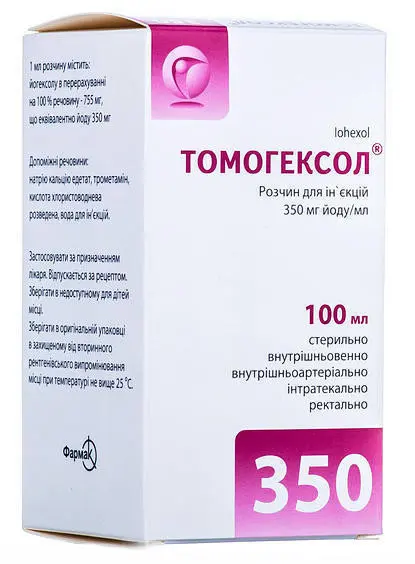
Tomohexol (iohexol) 350 mg/ml. 100 ml. #1 vial
Tomohexol is a contrast agent used in radiology procedures to improve the visibility of internal body structures during imaging tests like CT scans, angiograms, and myelograms. The active ingredient in Tomohexol is iohexol, which is a nonionic, water-soluble radiographic contrast medium.
Composition:
Each milliliter of Tomohexol contains 350 mg. of iohexol as the active ingredient. The vial size is 100 ml, and each package contains 1 vial of the contrast agent.
Indications:
Tomohexol is indicated for use in adults and children for diagnostic imaging procedures where contrast enhancement is required to visualize blood vessels, tissues, and organs. It is commonly used in the following radiological examinations:
- Computed Tomography (CT) scans
- Angiography
- Myelography
Mechanism of Action:
When administered intravenously, Tomohexol works by altering the attenuation properties of X-rays, which results in improved visualization of the targeted areas within the body. The iodine in iohexol absorbs X-rays, leading to enhanced contrast between different tissues and structures in the images produced during radiological procedures.
Dosage and Administration:
The dosage of Tomohexol varies depending on the specific imaging procedure being performed, the patient’s age, weight, and overall health condition. The contrast agent is usually administered intravenously by a healthcare professional in a controlled clinical setting. It is important to follow the recommended dosage guidelines provided by the healthcare provider to ensure optimal imaging results and minimize the risk of adverse reactions.
Contraindications:
Tomohexol should not be used in patients with a history of hypersensitivity or allergic reactions to iohexol or other contrast agents. It is contraindicated in individuals with severe renal impairment, dehydration, or thyroid disorders. Pregnant or breastfeeding women should also avoid the use of Tomohexol unless the benefits outweigh the risks.
Adverse Reactions:
Common side effects associated with the use of Tomohexol may include:
- Nausea
- Headache
- Flushing
- Dizziness
- Injection site reactions
Severe adverse reactions such as anaphylaxis, contrast-induced nephropathy, and cardiorespiratory distress are rare but can occur, especially in patients with preexisting medical conditions. It is important to monitor patients closely during and after the administration of Tomohexol for any signs of adverse reactions.
Precautions and Warnings:
Before using Tomohexol, healthcare providers should assess the patient’s medical history, allergies, and renal function to determine the appropriateness of the contrast agent. Adequate hydration before and after the imaging procedure is recommended to reduce the risk of contrast-induced nephropathy. Patients with a history of allergic reactions or asthma should be closely monitored for hypersensitivity reactions during the administration of Tomohexol.
Storage and Handling:
Tomohexol should be stored at room temperature away from direct sunlight and moisture. The vials should be inspected for particulate matter and discoloration before use. Do not use the contrast agent if the solution is cloudy or contains visible particles. Proper disposal of unused or expired Tomohexol should be done according to local regulations for medical waste management.
Conclusion:
Tomohexol is a widely used contrast agent in radiology that provides enhanced visualization of internal body structures during diagnostic imaging procedures. By utilizing the properties of iohexol, Tomohexol helps healthcare providers obtain clear and detailed images for accurate diagnosis and treatment planning. While generally safe and effective, the use of Tomohexol should be guided by healthcare professionals with consideration of the patient’s medical history and potential risks associated with contrast media administration.


