Description
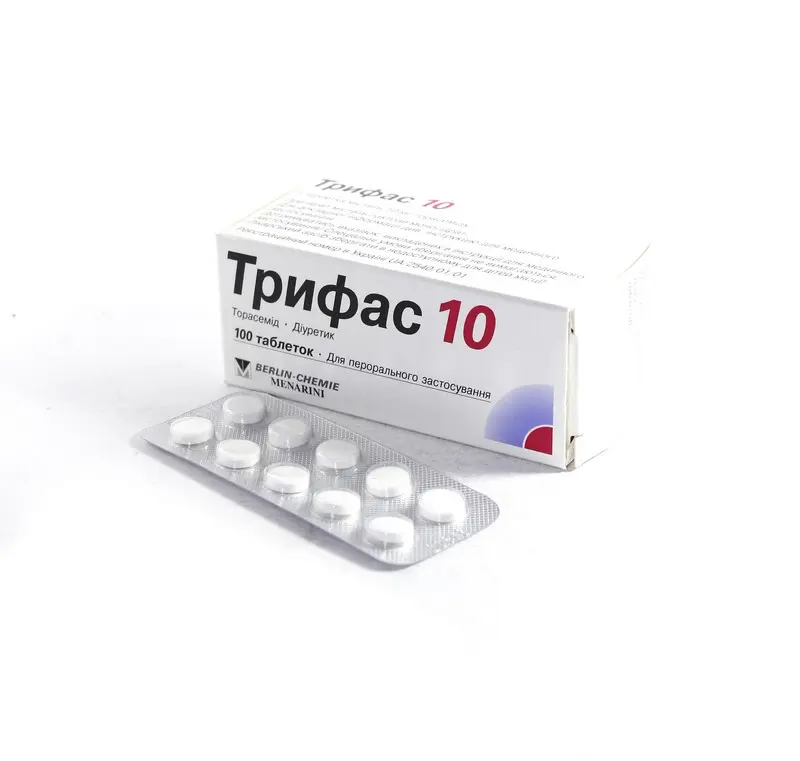
Trifas 10 (Torasemide) Tablets 10 mg.
Trifas 10 is a medication in the form of tablets containing 10 mg. of the active ingredient Torasemide. It is available in a pack size of 100 tablets. Torasemide is a diuretic that works by increasing the removal of excess water and salt from the body through urine. This medication is commonly prescribed to treat conditions such as edema (fluid retention) and hypertension (high blood pressure).
What is Torasemide?
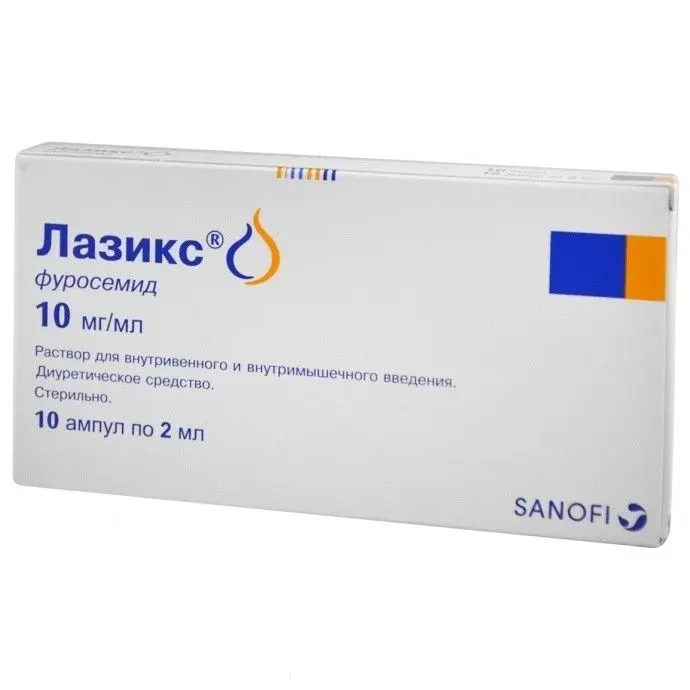
Torasemide belongs to a class of drugs known as loop diuretics. It is similar to furosemide but is known to have a longer duration of action. Torasemide works by blocking the reabsorption of sodium and chloride in the kidneys, leading to increased urine production and reduction in fluid retention. This helps to decrease swelling and lower blood pressure.
Indications
Trifas 10 tablets are indicated for the treatment of various conditions, including:
- Edema (fluid retention) associated with conditions such as heart failure, liver disease, or kidney disease
- Hypertension (high blood pressure)
- Other conditions where the removal of excess fluid from the body is necessary
Dosage and Administration
The usual recommended dose of Trifas 10 tablets is determined by your healthcare provider based on your medical condition and response to treatment. It is important to follow the dosage instructions provided by your doctor or pharmacist.
The tablets should be taken orally with a full glass of water, with or without food. It is important to take the medication at the same time each day to maintain a consistent level of the drug in your body.
Do not increase or decrease the dose of Trifas 10 without consulting your healthcare provider. If you miss a dose, take it as soon as you remember. However, if it is almost time for your next dose, skip the missed dose and continue with your regular dosing schedule.
Precautions and Warnings
Before taking Trifas 10 tablets, inform your healthcare provider about any medical conditions you have, especially if you have a history of kidney or liver disease, gout, diabetes, or electrolyte imbalances. It is also important to inform your doctor about any medications you are currently taking, including prescription, over-the-counter, and herbal supplements.
Some precautions and warnings associated with the use of Torasemide include:
- Risk of dehydration: Torasemide can cause excessive urination, leading to dehydration. It is important to drink an adequate amount of fluids while taking this medication.
- Electrolyte imbalances: Torasemide can cause changes in electrolyte levels, such as low potassium or magnesium. Your doctor may monitor your electrolyte levels regularly.
- Hypotension: Torasemide can cause a drop in blood pressure, leading to symptoms such as dizziness or lightheadedness. It is important to get up slowly from a sitting or lying position to avoid falls.
- Hypersensitivity reactions: If you experience any signs of an allergic reaction, such as rash, itching, or swelling, seek medical attention immediately.
Side Effects
Like all medications, Trifas 10 tablets can cause side effects in some individuals. Common side effects may include:
- Increased urination
- Dizziness
- Headache
- Electrolyte imbalances
If you experience any persistent or severe side effects, contact your healthcare provider immediately. In rare cases, Torasemide can cause serious side effects such as severe dehydration, kidney problems, or allergic reactions.
Storage
Trifas 10 tablets should be stored at room temperature away from moisture and heat. Keep the medication out of reach of children and pets. Do not use Trifas 10 tablets after the expiration date printed on the packaging.
Conclusion
Trifas 10 tablets containing Torasemide 10 mg. are a commonly prescribed medication for the treatment of edema and hypertension. It is important to follow the dosage instructions provided by your healthcare provider and to be aware of any potential side effects or precautions associated with the use of this medication. If you have any questions or concerns about Trifas 10 tablets, consult your doctor or pharmacist for more information.