
Description
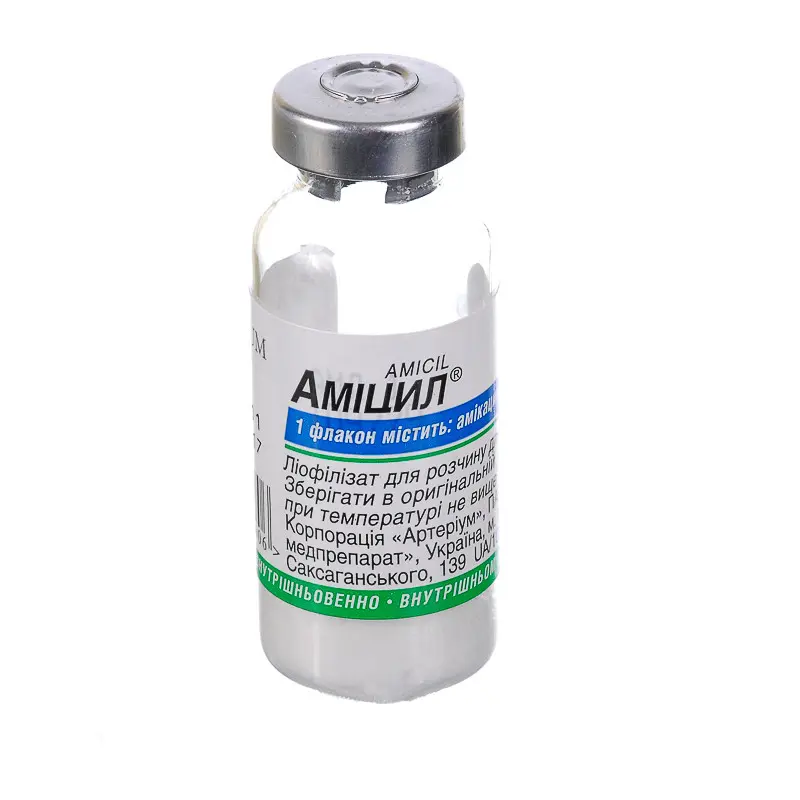
Amicyl (Amikacin) 1g Intravenous injection
Amicyl is a brand name for the medication Amikacin, which is administered intravenously at a dosage of 1g. Amikacin belongs to a class of antibiotics known as aminoglycosides, and it is commonly used to treat serious bacterial infections. This medication is typically prescribed by healthcare professionals in hospital settings where intravenous administration is necessary for effective treatment.
What is Amikacin?
Amikacin is a potent antibiotic that is effective against a wide range of bacteria, including Gram-negative and some Gram-positive bacteria. It works by interfering with the protein synthesis in bacterial cells, ultimately leading to their death. Due to its mechanism of action, amikacin is often reserved for treating infections caused by multidrug-resistant bacteria or those that are resistant to other antibiotics.
Indications
Amikacin is indicated for the treatment of severe infections caused by susceptible bacteria. Some common indications for using amikacin include:
- Pneumonia
- Sepsis
- Urinary tract infections
- Bone and joint infections
- Intra-abdominal infections
- Endocarditis
Administration
Amikacin is typically administered intravenously to ensure rapid and effective delivery of the medication into the bloodstream. The dosage and duration of treatment will vary depending on the type and severity of the infection, as well as the patient’s age, weight, and kidney function. It is essential to follow the healthcare provider’s instructions carefully when using amikacin to ensure optimal therapeutic outcomes.
Adverse Effects
Like all medications, amikacin can cause side effects, ranging from mild to severe. Some common adverse effects of amikacin include:
- Nausea and vomiting
- Headache
- Dizziness
- Rash
- Injection site reactions
- Hearing loss
- Kidney damage
- Neurotoxicity
If any of these side effects persist or worsen, it is important to inform your healthcare provider promptly. In some cases, the benefits of using amikacin may outweigh the risks of potential side effects, especially in the treatment of life-threatening infections.
Precautions
Before using amikacin, it is important to inform your healthcare provider about any existing medical conditions, allergies, or medications you are currently taking. Some precautions to consider when using amikacin include:
- Not using amikacin if you are allergic to aminoglycoside antibiotics
- Monitoring kidney function regularly during treatment
- Avoiding concurrent use of other nephrotoxic medications
- Monitoring hearing function, especially in patients with preexisting hearing problems
- Adjusting the dosage in patients with impaired kidney function
Drug Interactions
Amikacin may interact with other medications, potentially affecting their efficacy or increasing the risk of side effects. Some common drug interactions with amikacin include:
- Diuretics
- Other nephrotoxic medications
- Neuromuscular blocking agents
- Loop diuretics
- Nonsteroidal anti-inflammatory drugs (NSAIDs)
It is essential to inform your healthcare provider about all medications you are taking before starting amikacin to prevent potential drug interactions.
Storage
Amikacin should be stored as per the manufacturer’s instructions, typically at room temperature away from moisture and heat. It is crucial to keep this medication out of reach of children and pets and to discard any unused or expired medication properly according to local regulations.
Conclusion
In conclusion, Amicyl (Amikacin) 1g intravenous is a potent antibiotic used for the treatment of severe bacterial infections. It is important to use this medication under the guidance of a healthcare provider to ensure its safe and effective administration. By following the prescribed dosage, monitoring for adverse effects, and taking necessary precautions, patients can benefit from the therapeutic effects of amikacin while minimizing the risk of potential complications.