Description
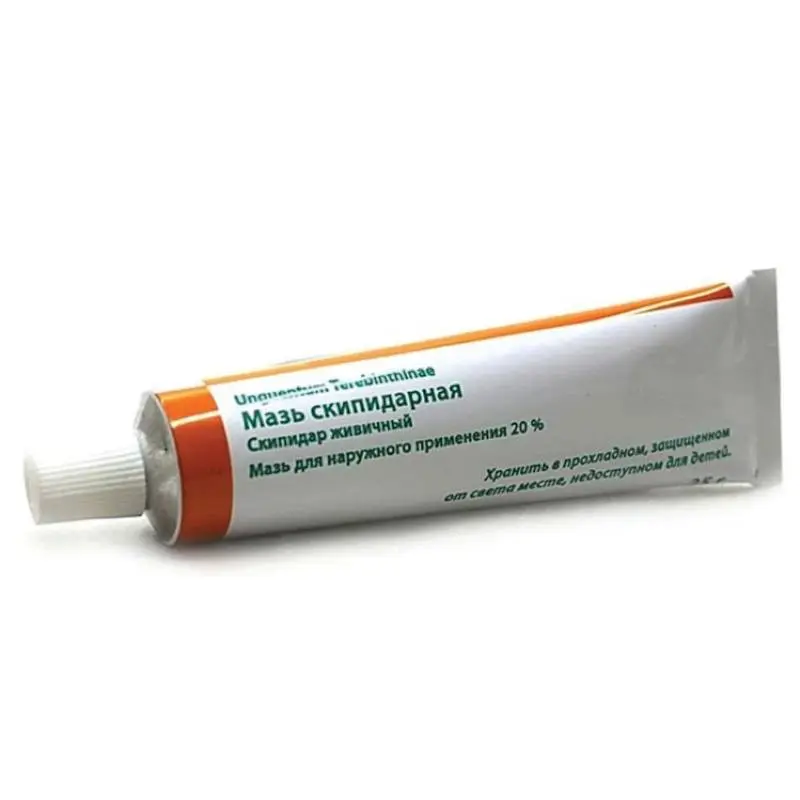
Turpentine (Oil Turpentine) Ointment 20% – 25g Tube
Turpentine ointment is a topical medication that contains 20% oil turpentine. It comes in a 25g tube and is commonly used for various skin conditions. Oil turpentine is derived from the resin of pine trees and has been used for its medicinal properties for centuries.
What is Turpentine Ointment Used For?
Turpentine ointment is primarily used for its anti-inflammatory and antiseptic properties. It is often used to treat minor cuts, scrapes, and insect bites. The oil turpentine in the ointment helps to reduce inflammation and prevent infection in the affected area.
Additionally, turpentine ointment can also be used to relieve muscle aches and pains. When applied topically to sore muscles, it can help reduce pain and inflammation, providing relief to the affected area.
How to Use Turpentine Ointment
To use turpentine ointment, simply apply a small amount to the affected area and gently massage it into the skin. It is important to wash your hands before and after applying the ointment to prevent the spread of germs.
For minor cuts and scrapes, apply a thin layer of turpentine ointment to the wound and cover it with a bandage if necessary. For muscle aches and pains, massage the ointment into the affected area until it is fully absorbed.
It is important to follow the instructions provided on the packaging or by your healthcare provider when using turpentine ointment. Do not apply the ointment to open wounds or broken skin, and avoid contact with the eyes and mucous membranes.
Possible Side Effects
While turpentine ointment is generally safe for topical use, some individuals may experience skin irritation or allergic reactions. If you develop a rash, itching, or redness after applying the ointment, discontinue use and consult your healthcare provider.
In rare cases, prolonged or excessive use of turpentine ointment may lead to skin sensitivity or irritation. If you experience any unusual or severe side effects, seek medical attention immediately.
Precautions and Warnings
Before using turpentine ointment, it is important to inform your healthcare provider of any existing skin conditions or allergies. If you have a history of allergic reactions to pine products or other topical medications, consult your healthcare provider before using this ointment.
Do not ingest turpentine ointment or apply it to large areas of the skin. Avoid using the ointment on children under the age of 2 without consulting a healthcare provider. Keep the ointment out of reach of children and pets to prevent accidental ingestion.
Storage and Handling
Store turpentine ointment in a cool, dry place away from direct sunlight and heat. Do not freeze the ointment, as this may alter its consistency and effectiveness. Keep the tube tightly closed when not in use to prevent evaporation of the ointment.
Do not use turpentine ointment past its expiration date, as this may reduce its effectiveness and increase the risk of contamination. If you have any unused or expired ointment, dispose of it properly according to local regulations.
Conclusion
Turpentine ointment is a topical medication that contains 20% oil turpentine and is commonly used for its anti-inflammatory and antiseptic properties. It is effective for treating minor cuts, scrapes, insect bites, and muscle aches and pains. When used as directed, turpentine ointment can provide relief and promote healing in the affected area.
It is important to follow the instructions provided on the packaging or by your healthcare provider when using turpentine ointment. If you experience any unusual or severe side effects, discontinue use and consult your healthcare provider. With proper precautions and handling, turpentine ointment can be a safe and effective treatment for various skin conditions.