Description
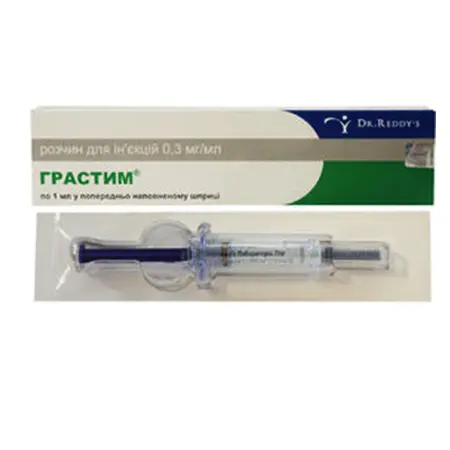
Grastim 0.3 mg/ml. Injection
Grastim 0.3 mg/ml. Injection is a medication that comes in a syringe containing 1ml of the solution. It is commonly prescribed by healthcare professionals to stimulate the production of white blood cells in patients undergoing chemotherapy or stem cell transplantation. Grastim contains the active ingredient filgrastim, which is a synthetic form of a naturally occurring protein in the body known as granulocyte colony-stimulating factor (G-CSF).
Medical Uses
Grastim is primarily used to prevent or treat neutropenia, a condition characterized by abnormally low levels of neutrophils, a type of white blood cell that plays a crucial role in the body’s immune response. Neutropenia can leave individuals vulnerable to infections, especially during cancer treatment when chemotherapy drugs can suppress the bone marrow’s ability to produce enough white blood cells.
How it Works
When administered, Grastim works by stimulating the bone marrow to produce more white blood cells, particularly neutrophils. This helps to boost the immune system and reduce the risk of infections in patients undergoing cancer treatment. By increasing the production of white blood cells, Grastim helps to shorten the duration of neutropenia and minimize the likelihood of serious infections.
Administration
Grastim is typically administered as a subcutaneous injection, which means it is injected under the skin. The dosage and frequency of injections will be determined by a healthcare provider based on the individual patient’s condition and response to treatment. It is important to follow the prescribed dosing schedule and not to adjust the dosage without consulting a healthcare professional.
Possible Side Effects
Like all medications, Grastim can cause side effects in some individuals. Common side effects may include bone pain, muscle pain, headache, and fatigue. In some cases, patients may experience injection site reactions such as redness, swelling, or pain at the injection site. These side effects are usually mild and temporary.
More serious side effects are rare but may include allergic reactions, difficulty breathing, chest pain, or signs of an infection such as fever or chills. Patients should seek immediate medical attention if they experience any severe or persistent side effects while using Grastim.
Precautions
Before using Grastim, patients should inform their healthcare provider about any existing medical conditions, allergies, or medications they are taking. It is important to disclose any history of heart problems, lung disease, or other serious health issues that may affect the safety or effectiveness of Grastim. Pregnant or breastfeeding women should also consult their healthcare provider before using this medication.
Storage
Grastim should be stored at room temperature away from light and moisture. The syringe should be kept in its original packaging until ready to use, and any unused portion should be discarded properly according to local regulations. Patients should not freeze or expose Grastim to extreme heat, and should always check the expiration date before using the medication.
Conclusion
Grastim 0.3 mg/ml. Injection is a valuable medication used to support the immune system in patients undergoing cancer treatment. By stimulating the production of white blood cells, Grastim helps to reduce the risk of infections and improve outcomes for individuals with neutropenia. When used as directed and under the supervision of a healthcare professional, Grastim can be an essential component of cancer care and recovery.