
Description
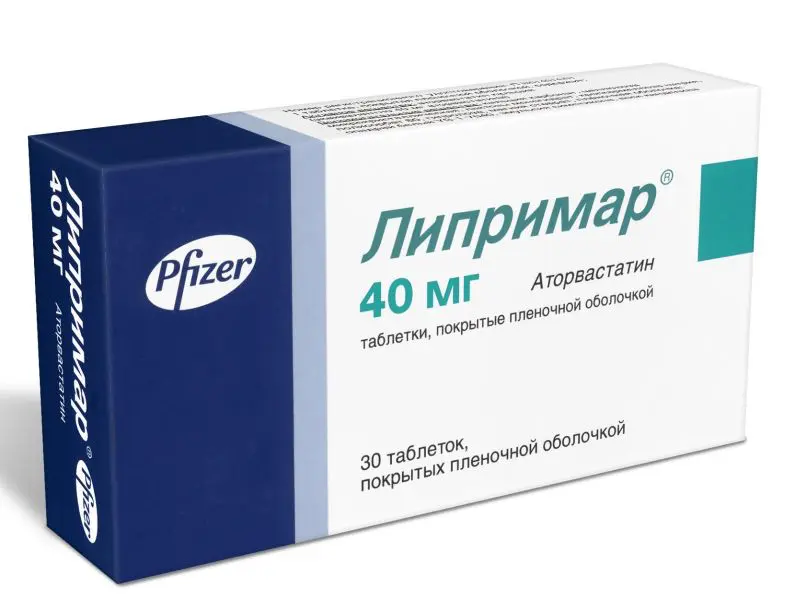
Liprimar 40 (atorvastatin) Coated Tablets 40 mg. #30
Overview
Liprimar 40 is a prescription medication that belongs to a class of drugs known as statins. Atorvastatin, the active ingredient in Liprimar 40, is widely used to lower cholesterol levels in the blood and reduce the risk of heart-related complications. Liprimar 40 is available in the form of coated tablets, with each tablet containing 40 mg. of atorvastatin.
Indications
Liprimar 40 is indicated for the following conditions:
- Hypercholesterolemia: Liprimar 40 is used to treat high levels of cholesterol in the blood.
- Dyslipidemia: Liprimar 40 helps to manage abnormal lipid levels in the bloodstream.
- Prevention of cardiovascular events: Liprimar 40 is prescribed to reduce the risk of heart attacks, strokes, and other cardiovascular complications.
Dosage and Administration
It is essential to follow your healthcare provider’s instructions when taking Liprimar 40. The typical dosage of Liprimar 40 for adults is one 40 mg. tablet taken orally once daily. The tablets should be swallowed whole with water and can be taken with or without food. Do not crush or chew the tablets.
If you miss a dose of Liprimar 40, take it as soon as you remember. However, if it is almost time for your next dose, skip the missed dose and continue with your regular dosing schedule. Do not take a double dose to make up for a missed one.
Side Effects
Like all medications, Liprimar 40 can cause side effects, although not everyone may experience them. Common side effects of Liprimar 40 may include:
- Headache
- Muscle pain
- Diarrhea
- Joint pain
- Nausea
If you experience any persistent or severe side effects while taking Liprimar 40, contact your healthcare provider immediately. In rare cases, Liprimar 40 may cause more serious side effects such as liver problems or muscle breakdown. Seek medical attention if you notice signs of these complications.
Interactions
Before taking Liprimar 40, inform your healthcare provider about all the medications you are currently taking, including prescription drugs, over-the-counter medicines, vitamins, and herbal supplements. Certain medications may interact with Liprimar 40 and affect its efficacy or increase the risk of side effects.
Some common medications that may interact with Liprimar 40 include:
- Antifungal medications
- Antibiotics
- Immunosuppressants
- Other cholesterol-lowering drugs
It is crucial to discuss potential drug interactions with your healthcare provider to prevent any adverse effects from occurring.
Precautions
Before starting treatment with Liprimar 40, inform your healthcare provider about any existing medical conditions you have, especially:
- Liver disease
- Kidney disease
- Diabetes
- Thyroid disorders
Additionally, inform your healthcare provider if you are pregnant, planning to become pregnant, or breastfeeding, as Liprimar 40 may not be suitable for use during these periods. Your healthcare provider will assess the benefits and risks of Liprimar 40 in your specific situation.
Storage
Store Liprimar 40 tablets at room temperature away from moisture and heat. Keep the medication out of reach of children and pets. Do not use Liprimar 40 beyond the expiration date printed on the packaging.
Conclusion
In conclusion, Liprimar 40 is a valuable medication containing atorvastatin that is commonly used to manage cholesterol levels and reduce the risk of cardiovascular events. By following the prescribed dosage, understanding potential side effects, and being aware of drug interactions, you can use Liprimar 40 safely and effectively. If you have any questions or concerns about Liprimar 40, do not hesitate to consult your healthcare provider for further guidance.