
Description
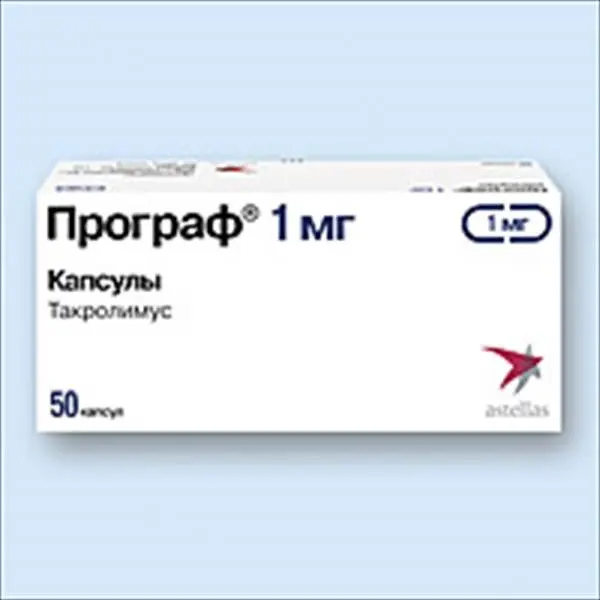
Prograf (tacrolimus) hard capsules 1 mg. #50
Prograf is a medication that comes in the form of hard capsules containing 1 mg. of the active ingredient tacrolimus. This medication is commonly prescribed for various conditions, including preventing organ rejection in transplant patients and treating certain autoimmune diseases. In this detailed guide, we will explore the uses, dosage, side effects, and other important information about Prograf.
Uses
Prograf, also known by its generic name tacrolimus, is classified as an immunosuppressant medication. It works by suppressing the body’s immune response to prevent it from attacking transplanted organs. Prograf is commonly used in the following situations:
- Preventing rejection of transplanted organs, such as kidney, liver, or heart
- Treating autoimmune diseases like rheumatoid arthritis and psoriasis
Dosage
The dosage of Prograf can vary depending on the patient’s condition, age, and response to treatment. It is important to follow your healthcare provider’s instructions carefully and not to adjust the dosage without consulting them. Typically, Prograf is taken orally in the form of hard capsules. The usual starting dose for transplant patients is 0.1 to 0.15 mg/kg twice daily. The dosage may be adjusted based on the individual’s needs and tolerability.
Side Effects
Like all medications, Prograf can cause side effects in some individuals. Common side effects of Prograf may include:
- Nausea
- Headache
- Tremors
- High blood pressure
- Increased risk of infections
If you experience any severe or persistent side effects while taking Prograf, be sure to contact your healthcare provider immediately.
Precautions
Before taking Prograf, it is essential to inform your healthcare provider about any pre-existing medical conditions, allergies, or medications you are currently taking. Prograf may interact with certain drugs, so it is crucial to provide a comprehensive list of all your medications to your healthcare provider.
Additionally, Prograf can weaken the immune system, making you more susceptible to infections. It is important to take precautions to avoid exposure to infectious agents and to practice good hygiene habits while taking this medication.
Storage
Prograf should be stored at room temperature away from moisture and heat. Be sure to keep the medication out of reach of children and pets. Do not use Prograf if it has expired or if the packaging is damaged.
Conclusion
In conclusion, Prograf is a medication that contains the active ingredient tacrolimus and is commonly used to prevent organ rejection in transplant patients and treat certain autoimmune diseases. It is important to take Prograf as prescribed by your healthcare provider and to be aware of the potential side effects and precautions associated with this medication. If you have any questions or concerns about Prograf, do not hesitate to consult your healthcare provider for guidance.


